The Hispanic Population in the United States - Böcker
Visar alla böcker i serien The Hispanic Population in the United States. Handla med fri frakt och snabb leverans.
10 produkter
10 produkter
534 kr
Skickas inom 7-10 vardagar
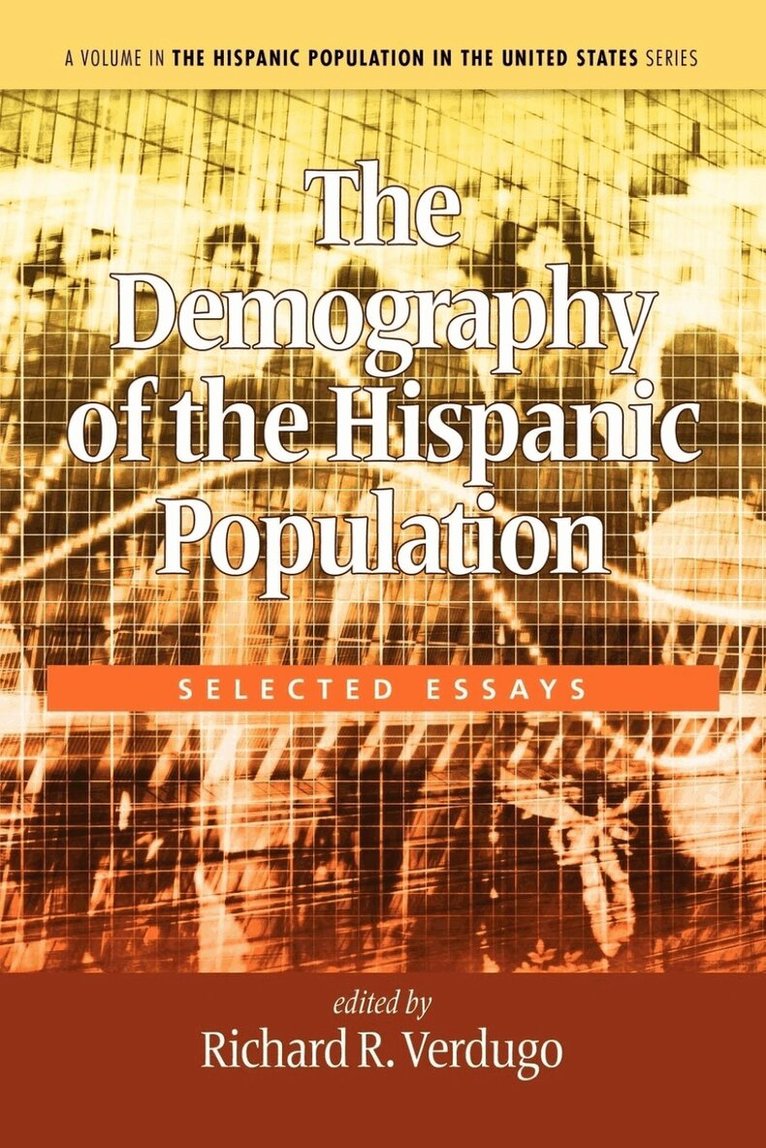
The Hispanic population has dramatically grown since the middle of the 20th Century. Demographers predict that by the year 2050, one in three Americans will of Hispanic origin. But the Hispanic population is not a homogeneous group; it varies by race and ethnicity, culture, economic status, education, and other important factors.The purpose of the present volume is to provide information on selected topics regarding the growth, distribution, and size of the Hispanic population. The volume brings together an eclectic set of six research papers. The first four examine traditional demographic topics: population growth, mortality, and immigration. The last two address topics that are not often examined among Hispanics: Hispanic Baby Boomers, and an interesting study on self identification among Hispanics using vital events data and census data.
986 kr
Skickas inom 7-10 vardagar
The Hispanic population has dramatically grown since the middle of the 20th Century. Demographers predict that by the year 2050, one in three Americans will of Hispanic origin. But the Hispanic population is not a homogeneous group; it varies by race and ethnicity, culture, economic status, education, and other important factors.The purpose of the present volume is to provide information on selected topics regarding the growth, distribution, and size of the Hispanic population. The volume brings together an eclectic set of six research papers. The first four examine traditional demographic topics: population growth, mortality, and immigration. The last two address topics that are not often examined among Hispanics: Hispanic Baby Boomers, and an interesting study on self identification among Hispanics using vital events data and census data.
583 kr
Skickas inom 7-10 vardagar
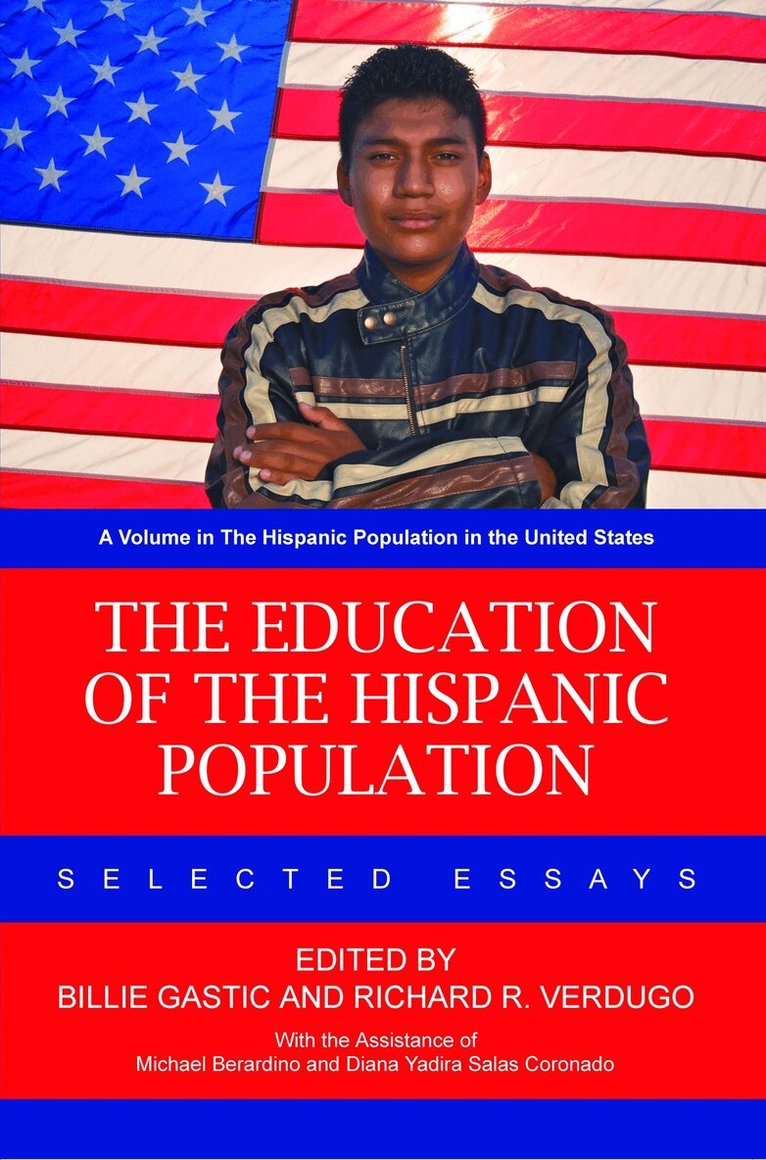
This volume brings together the latest research and scholarship on Latinos in the United States. This book is special in terms of the broad scope of topics covered and methodologies employed in pursuit of knowledge about Latino students. This collection is also unique in that it features the work of more than a dozen Latino scholars—both early-careerand established—applying their research expertise to investigate and elucidate the educational experiences of Latinos in the United States.The themes that are discussed in the chapters of The Education of the Hispanic Population: Selected Essays, reflect the wide-ranging discussions that are occurring in schools and school districts across the country and issues that are being carefully investigated by researchers who are committed to contributing thoughtful and meaningful scholarship of consequence for improving conditions for Latino youth.
1 032 kr
Skickas inom 7-10 vardagar
This volume brings together the latest research and scholarship on Latinos in the United States. This book is special in terms of the broad scope of topics covered and methodologies employed in pursuit of knowledge about Latino students. This collection is also unique in that it features the work of more than a dozen Latino scholars—both early-careerand established—applying their research expertise to investigate and elucidate the educational experiences of Latinos in the United States.The themes that are discussed in the chapters of The Education of the Hispanic Population: Selected Essays, reflect the wide-ranging discussions that are occurring in schools and school districts across the country and issues that are being carefully investigated by researchers who are committed to contributing thoughtful and meaningful scholarship of consequence for improving conditions for Latino youth.
550 kr
Skickas inom 7-10 vardagar
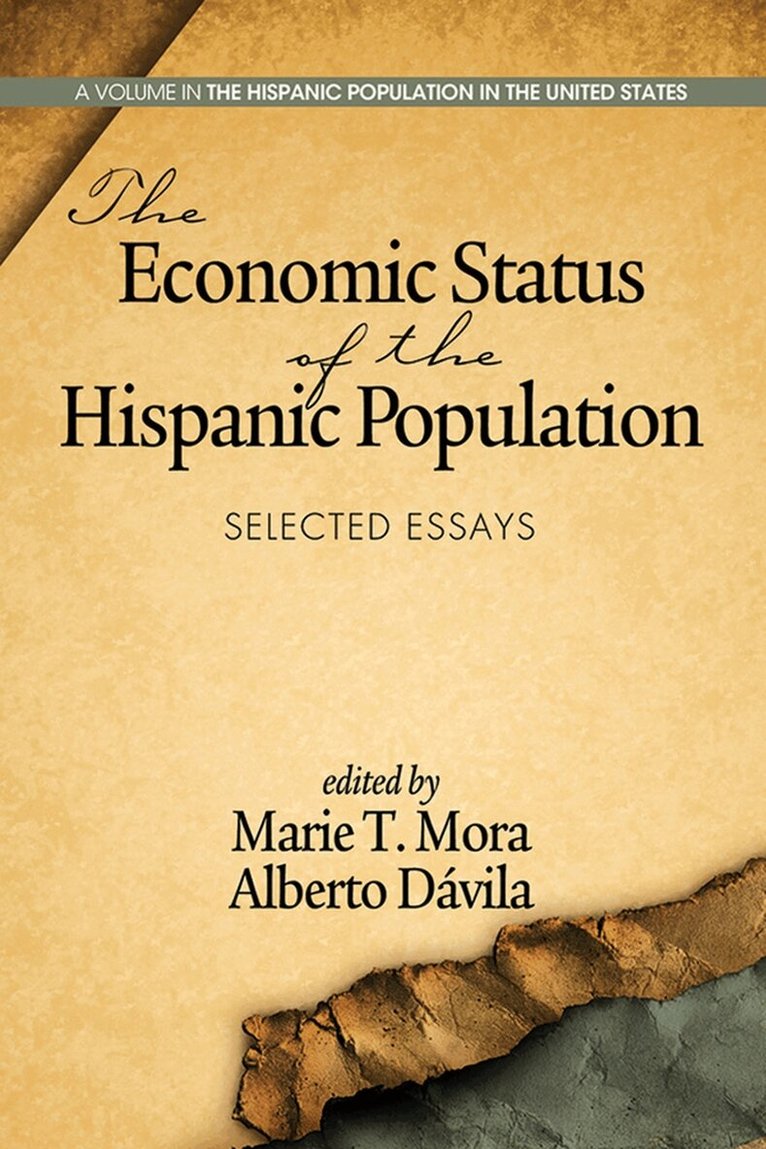
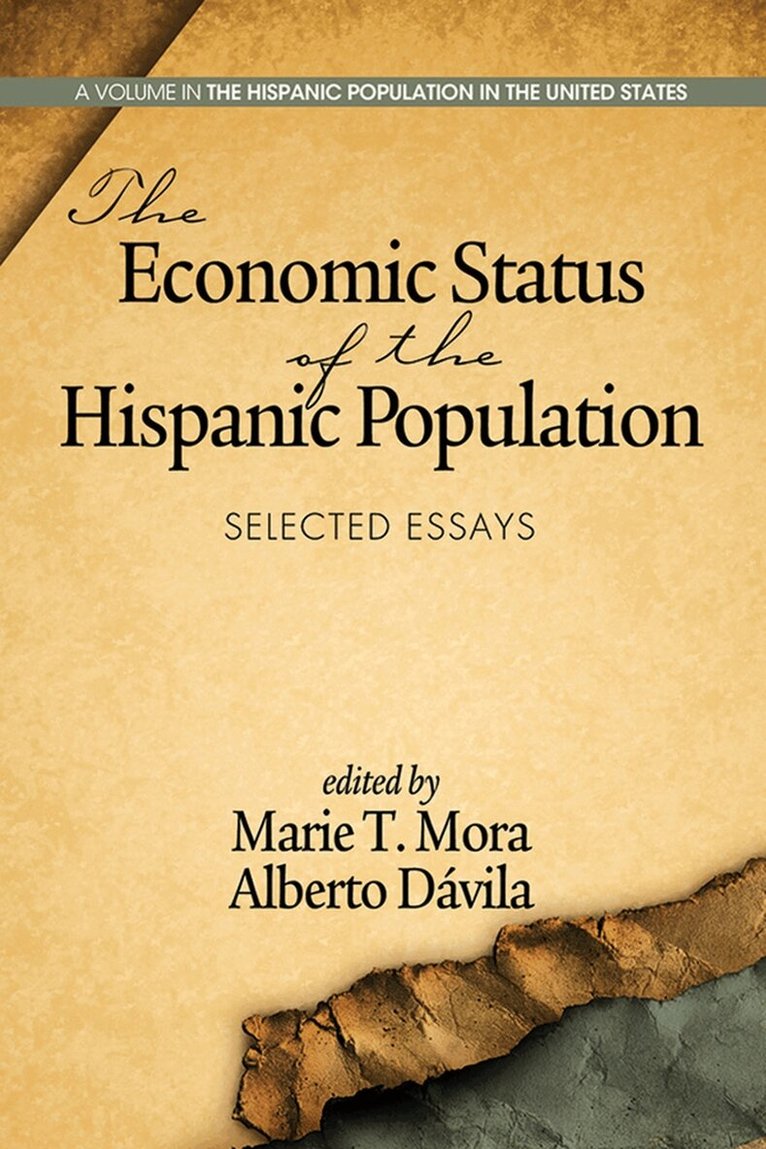
In 2010, Hispanics represented one out of every six people in the U.S. (up from one out of eight in 2000), such that the economic status of this population has become increasingly important for the economic direction of the nation. This volume brings together a group of scholars who analyze a variety of socioeconomic issues (particularly those related to education, poverty, and health) to assess how Hispanics have been faring relative to other Americans. A common theme across the chapters is that Hispanics tend to lag behind non-Hispanics with respect to their economic outcomes. Despite this lag, however, some of the studies indicate that Hispanics have been making progress in terms of improving their relative economic position in recent years. Several of the chapters also discuss policy implications.The intended audience includes social scientists, students, policymakers, and anyone interested in learning more about the economic conditions of Hispanic Americans. Many of the authors employed rigorous statistical methods to analyze the economic status of Hispanics, but the chapters were written to be accessible to a broad audience instead of one comprised mainly of quantitatively-oriented academics.
986 kr
Skickas inom 7-10 vardagar
In 2010, Hispanics represented one out of every six people in the U.S. (up from one out of eight in 2000), such that the economic status of this population has become increasingly important for the economic direction of the nation. This volume brings together a group of scholars who analyze a variety of socioeconomic issues (particularly those related to education, poverty, and health) to assess how Hispanics have been faring relative to other Americans. A common theme across the chapters is that Hispanics tend to lag behind non-Hispanics with respect to their economic outcomes. Despite this lag, however, some of the studies indicate that Hispanics have been making progress in terms of improving their relative economic position in recent years. Several of the chapters also discuss policy implications.The intended audience includes social scientists, students, policymakers, and anyone interested in learning more about the economic conditions of Hispanic Americans. Many of the authors employed rigorous statistical methods to analyze the economic status of Hispanics, but the chapters were written to be accessible to a broad audience instead of one comprised mainly of quantitatively-oriented academics.
534 kr
Skickas inom 7-10 vardagar
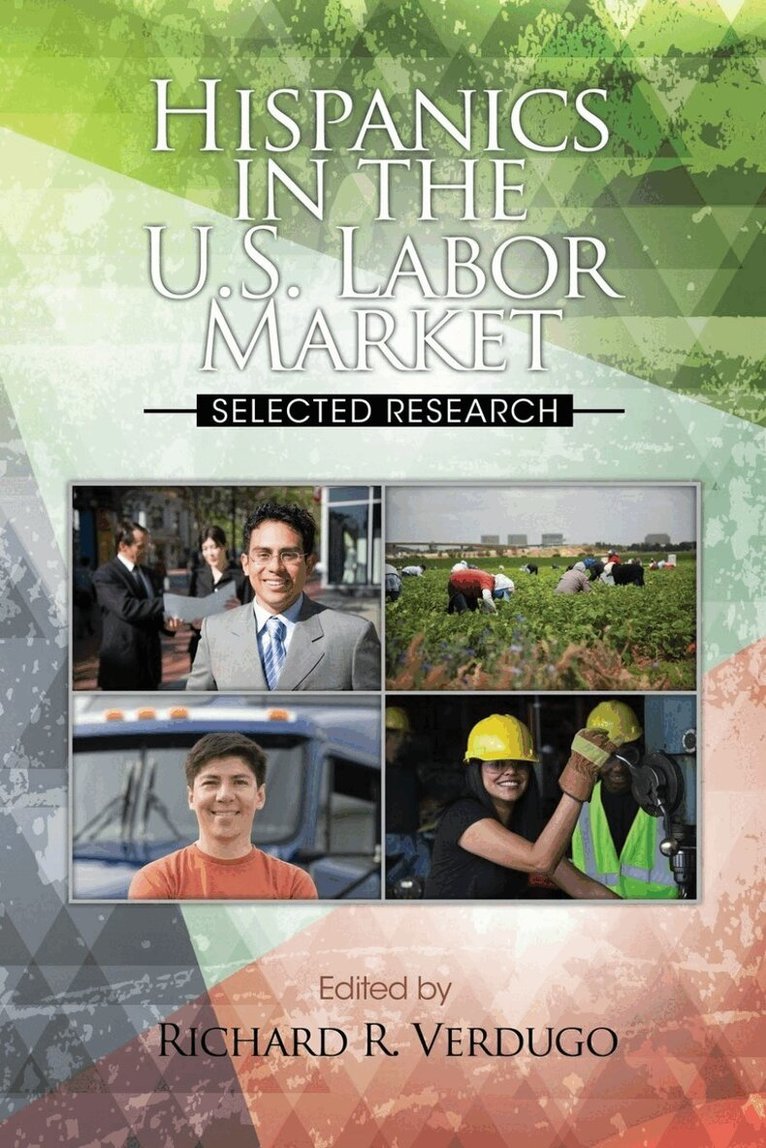
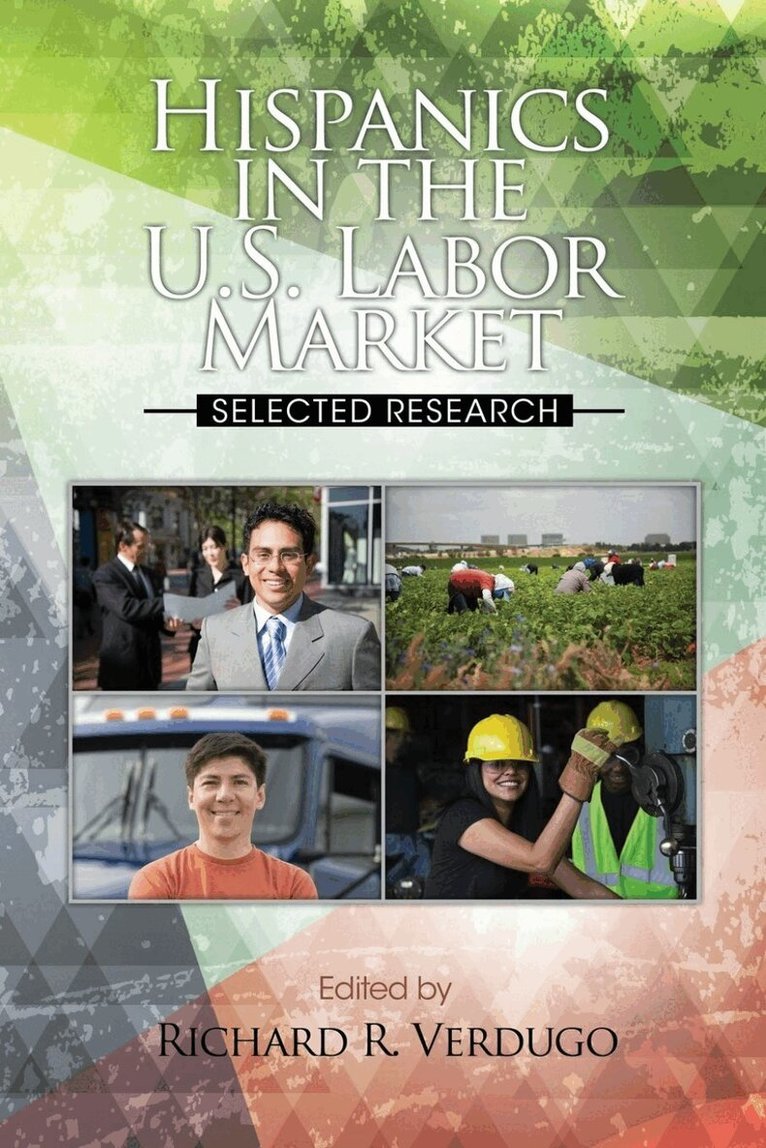
The Hispanic population has emerged at the largest ethnic/racial minority in the United States, and has also become a major political constituency. Consequently, it is important to gauge the extent to which they have been integrated into various societal institutions. One important institution is the US labor market.The research contained in the present volume assess a number of issues about how well Hispanics are integrated into the US labor market, a major factor in the group’s economic status. The research makes important contributions to the existing body of research on the Hispanic population, and may be used by scholars and policy makers in better understanding the status of this important ethnic/racial group.
986 kr
Skickas inom 7-10 vardagar
The Hispanic population has emerged at the largest ethnic/racial minority in the United States, and has also become a major political constituency. Consequently, it is important to gauge the extent to which they have been integrated into various societal institutions. One important institution is the US labor market.The research contained in the present volume assess a number of issues about how well Hispanics are integrated into the US labor market, a major factor in the group’s economic status. The research makes important contributions to the existing body of research on the Hispanic population, and may be used by scholars and policy makers in better understanding the status of this important ethnic/racial group.
482 kr
Skickas inom 7-10 vardagar
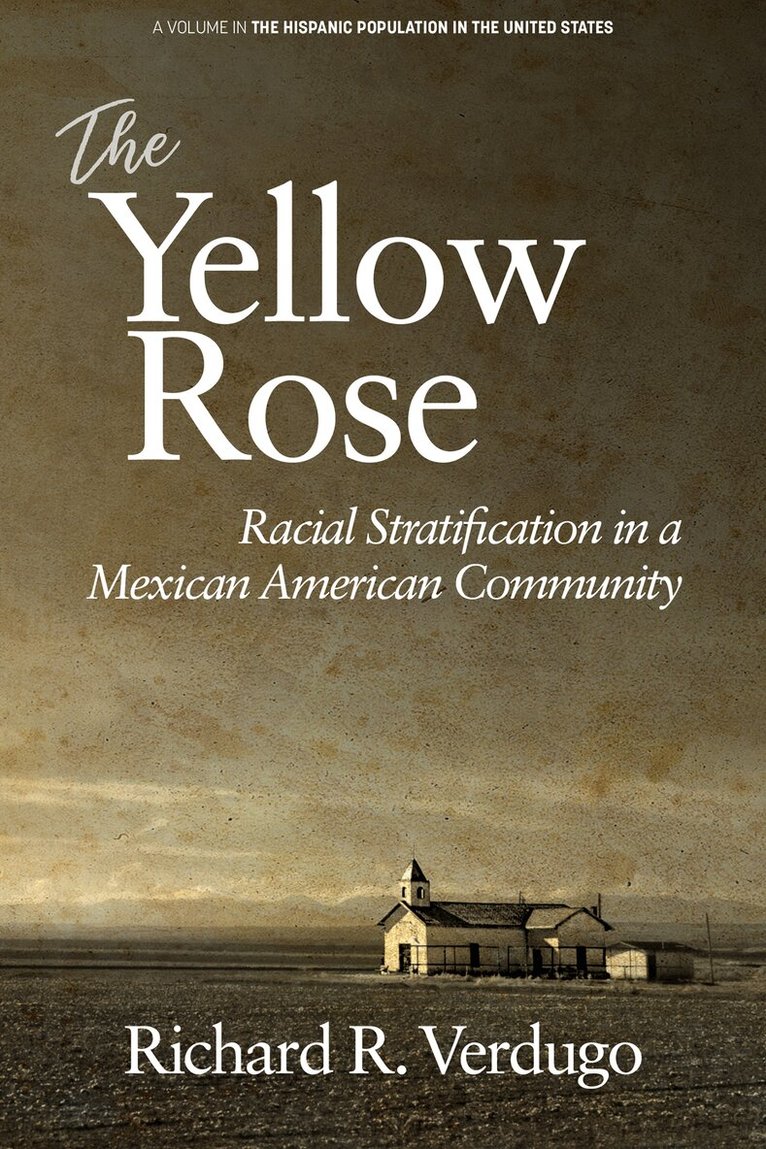
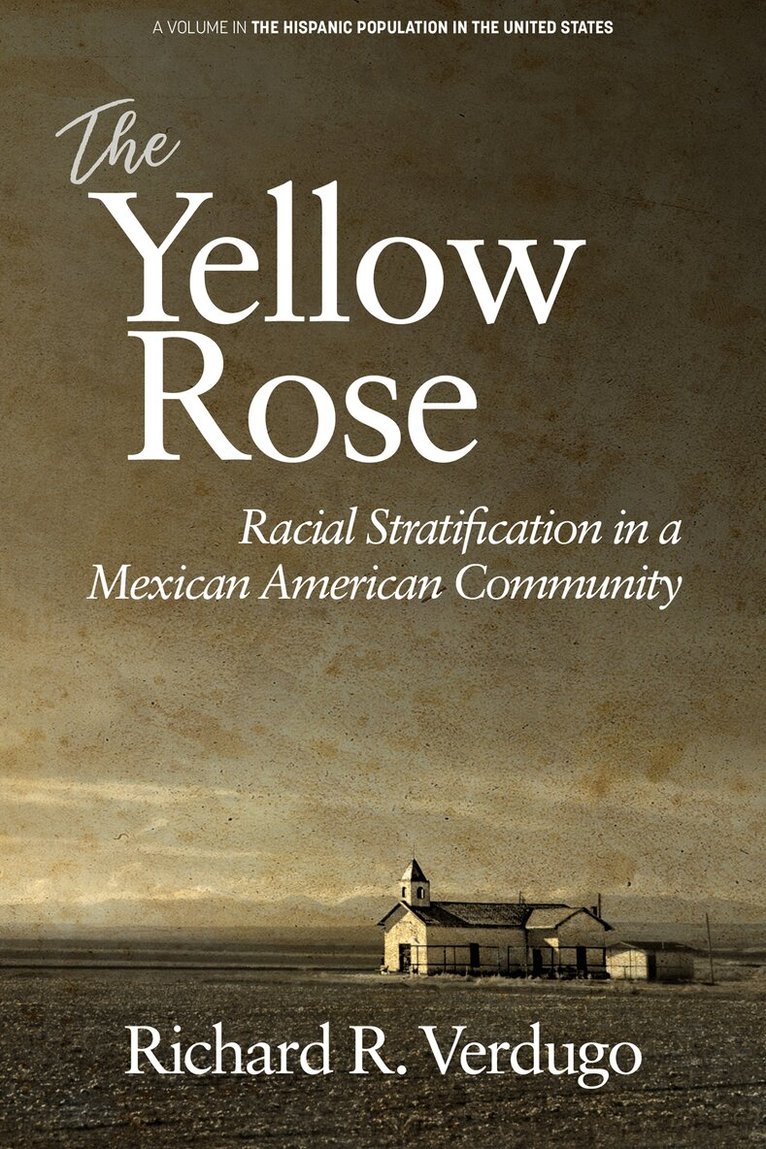
The volume examines the effect racial stratification had on the economic and social lives of Mexican Americans and Anglo residents in a community that was majority Mexican American.The impact was felt economically as the community was a one-crop economy, and also in creating social disharmony between Mexican Americans and the politically and economically dominant Anglo community.This is an historical study since it is based on a survey conducted in 1969. It is one of only a few complete Mexican American community studies ever conducted.
890 kr
Skickas inom 7-10 vardagar
The volume examines the effect racial stratification had on the economic and social lives of Mexican Americans and Anglo residents in a community that was majority Mexican American.The impact was felt economically as the community was a one-crop economy, and also in creating social disharmony between Mexican Americans and the politically and economically dominant Anglo community.This is an historical study since it is based on a survey conducted in 1969. It is one of only a few complete Mexican American community studies ever conducted.