The National Education Policy Center Series – serie
Visar alla böcker i serien The National Education Policy Center Series. Handla med fri frakt och snabb leverans.
4 produkter
4 produkter
263 kr
Skickas inom 7-10 vardagar
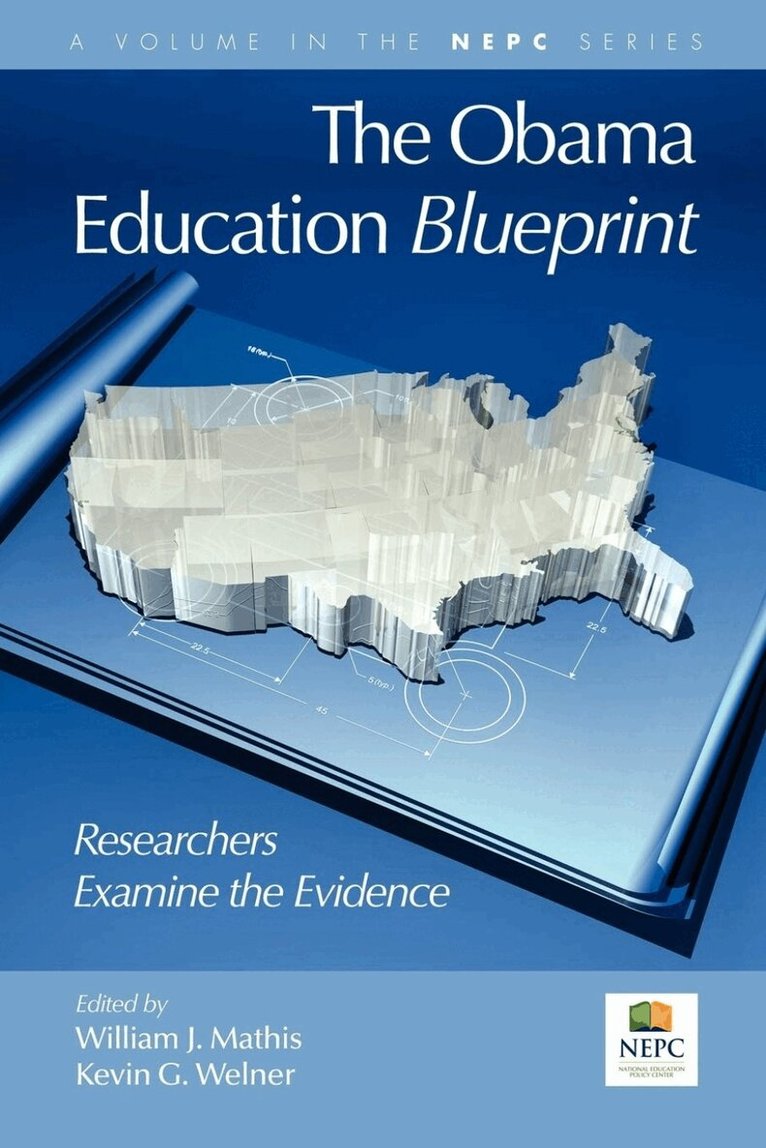
In March 2010, the Obama administration released A Blueprint for Reform, setting forth its proposed revisions of the Elementary and Secondary Education Act. If enacted, the Blueprint will shape the curriculum, standards, assessments, and accountability systems of schools throughout the nation. It will also determine how and where federal education funds will be targeted, further increase federal control over K-12 education, and increase the private-sector role in the operation of public schools.In advancing this agenda, President Obama and education secretary Arne Duncan have maintained that their Blueprint recommendations are grounded in research, and in May the U.S. Department of Education issued a set of six documents presented as summaries of the research supporting their plan.As an extension of the ongoing Think Tank Review Project, the staff and Fellows of the National Education Policy Center examine these research summaries and assess how well they represent the full body of knowledge in each of the reform areas. In The Obama Education Blueprint, prominent education policy experts from across the nation offer a comprehensive analysis of the research support for the U.S. Department of Education’s plan for the reauthorization of the Elementary and Secondary Education Act.This volume is designed to provide policymakers, the media, and interested citizens with what the research actually says about the administration’s proposals.
442 kr
Skickas inom 7-10 vardagar
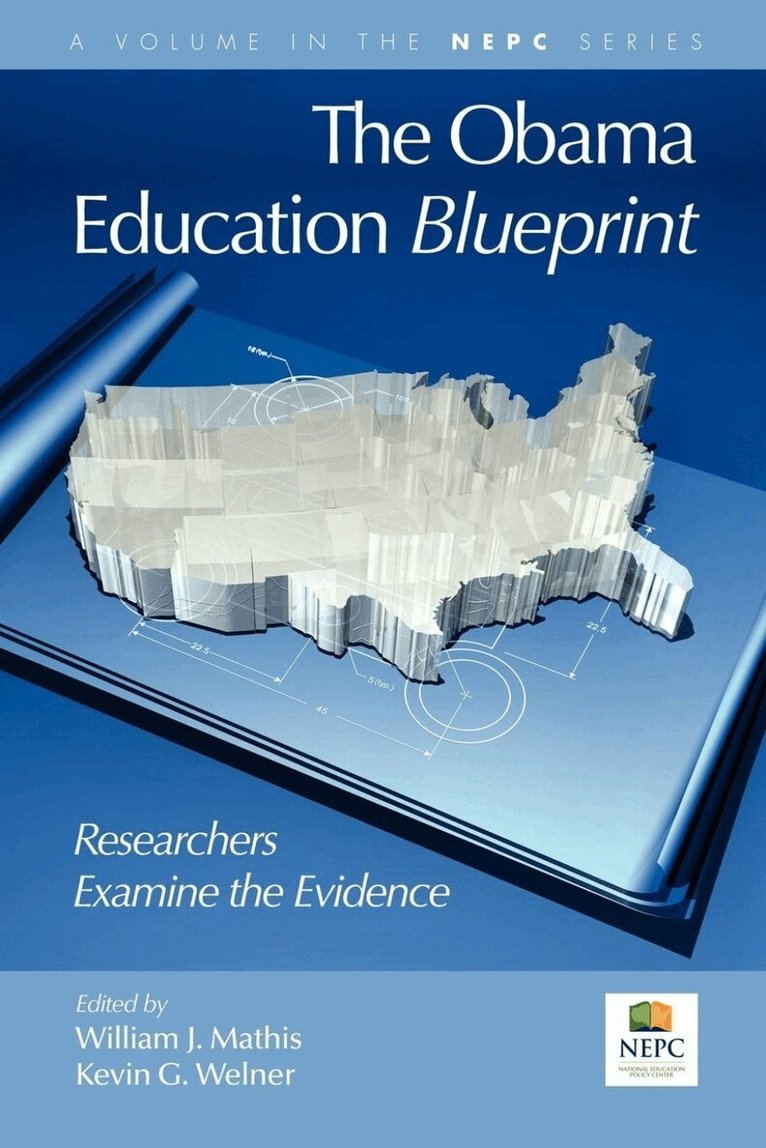
In March 2010, the Obama administration released A Blueprint for Reform, setting forth its proposed revisions of the Elementary and Secondary Education Act. If enacted, the Blueprint will shape the curriculum, standards, assessments, and accountability systems of schools throughout the nation. It will also determine how and where federal education funds will be targeted, further increase federal control over K-12 education, and increase the private-sector role in the operation of public schools.In advancing this agenda, President Obama and education secretary Arne Duncan have maintained that their Blueprint recommendations are grounded in research, and in May the U.S. Department of Education issued a set of six documents presented as summaries of the research supporting their plan.As an extension of the ongoing Think Tank Review Project, the staff and Fellows of the National Education Policy Center examine these research summaries and assess how well they represent the full body of knowledge in each of the reform areas. In The Obama Education Blueprint, prominent education policy experts from across the nation offer a comprehensive analysis of the research support for the U.S. Department of Education’s plan for the reauthorization of the Elementary and Secondary Education Act.This volume is designed to provide policymakers, the media, and interested citizens with what the research actually says about the administration’s proposals.
647 kr
Skickas inom 7-10 vardagar
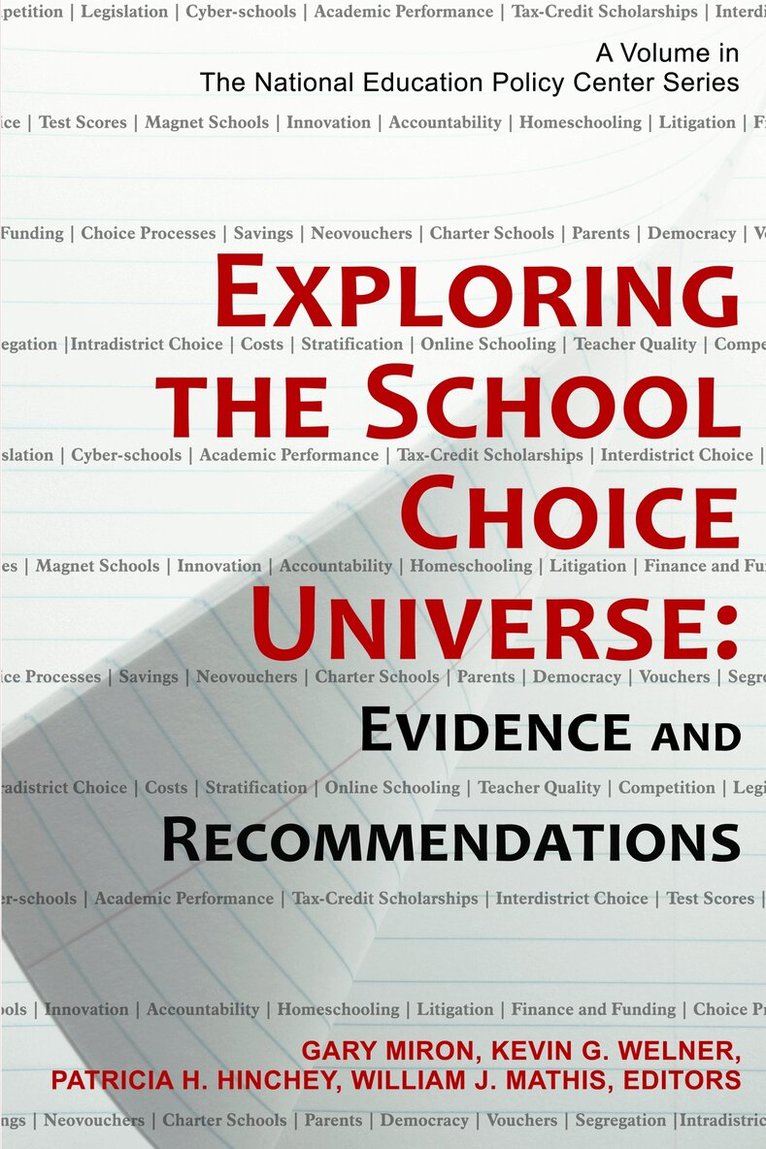
Exploring the School Choice Universe: Evidence and Recommendations gives readers a comprehensive, complete picture of choice policies and issues. In doing so, it offers cross-cutting insights that are obscured when one looks only at single issue or a single approach to choice. The book examines choice in its various forms: charter schools, home schooling, online schooling, voucher plans that allow students to use taxpayer funds to attend private schools, tuition tax credit plans that provide a public subsidy for private school tuition, and magnet schools and other forms of public school intra- and interdistrict choice. It brings together some of the top researchers in the field, presenting a comprehensive overview of the best current knowledge of these important policies.The questions addressed in Exploring the School Choice Universe are of most importance to researchers and policy makers. What do choice programs actually do? What forms do they take? Who participates, and why? What are the funding implications? What are the results of different forms of school choice on outcomes that matter, like student performance, segregation, and competition effects? Do they affect teachers’ working conditions? Do they drive innovation?The contents of this book offer reason to believe that choice policies can further some educational goals. But they also suggest many reasons for caution. If choice policies are to be evidence-based, a re-examination is in order. The information, insights and recommendations facilitate a more nuanced understanding of school choice and provide the basis for designing sensible school choice reforms that can pursue a range of desirable outcomes.
1 096 kr
Skickas inom 7-10 vardagar
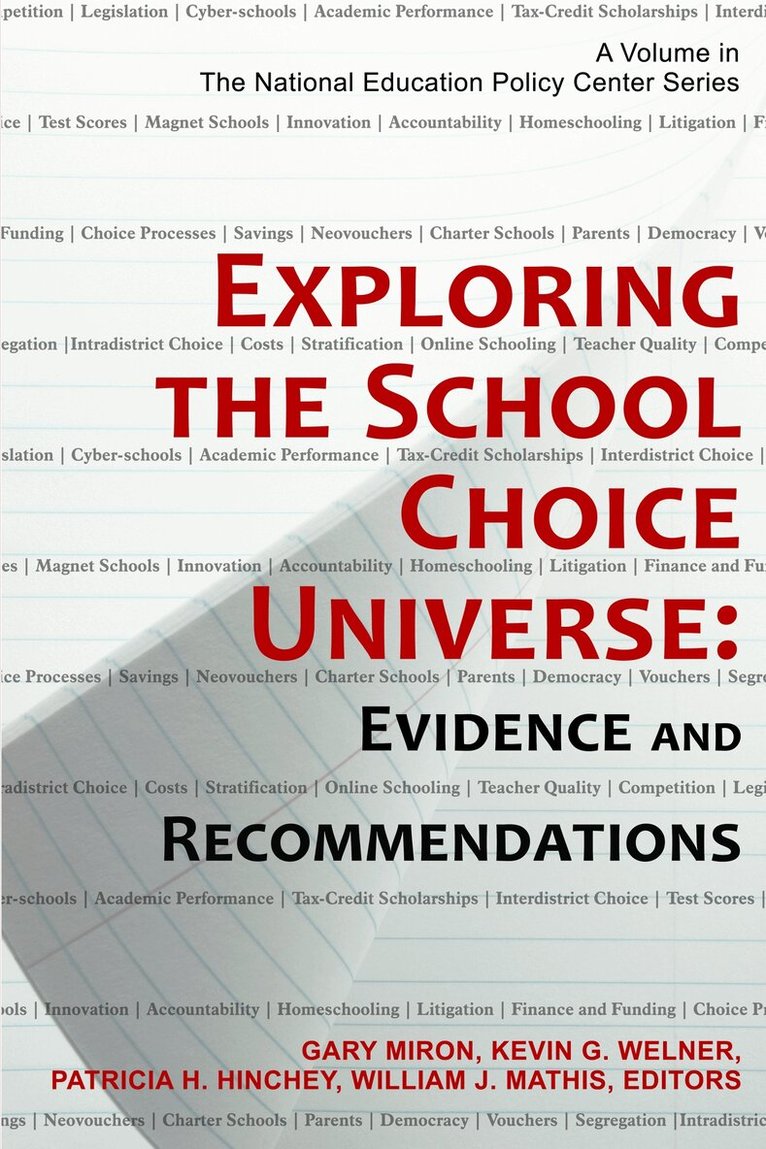
Exploring the School Choice Universe: Evidence and Recommendations gives readers a comprehensive, complete picture of choice policies and issues. In doing so, it offers cross-cutting insights that are obscured when one looks only at single issue or a single approach to choice. The book examines choice in its various forms: charter schools, home schooling, online schooling, voucher plans that allow students to use taxpayer funds to attend private schools, tuition tax credit plans that provide a public subsidy for private school tuition, and magnet schools and other forms of public school intra- and interdistrict choice. It brings together some of the top researchers in the field, presenting a comprehensive overview of the best current knowledge of these important policies.The questions addressed in Exploring the School Choice Universe are of most importance to researchers and policy makers. What do choice programs actually do? What forms do they take? Who participates, and why? What are the funding implications? What are the results of different forms of school choice on outcomes that matter, like student performance, segregation, and competition effects? Do they affect teachers’ working conditions? Do they drive innovation?The contents of this book offer reason to believe that choice policies can further some educational goals. But they also suggest many reasons for caution. If choice policies are to be evidence-based, a re-examination is in order. The information, insights and recommendations facilitate a more nuanced understanding of school choice and provide the basis for designing sensible school choice reforms that can pursue a range of desirable outcomes.