Two Liturgical Traditions - Böcker
Visar alla böcker i serien Two Liturgical Traditions. Handla med fri frakt och snabb leverans.
12 produkter
12 produkter
1 079 kr
Skickas inom 10-15 vardagar
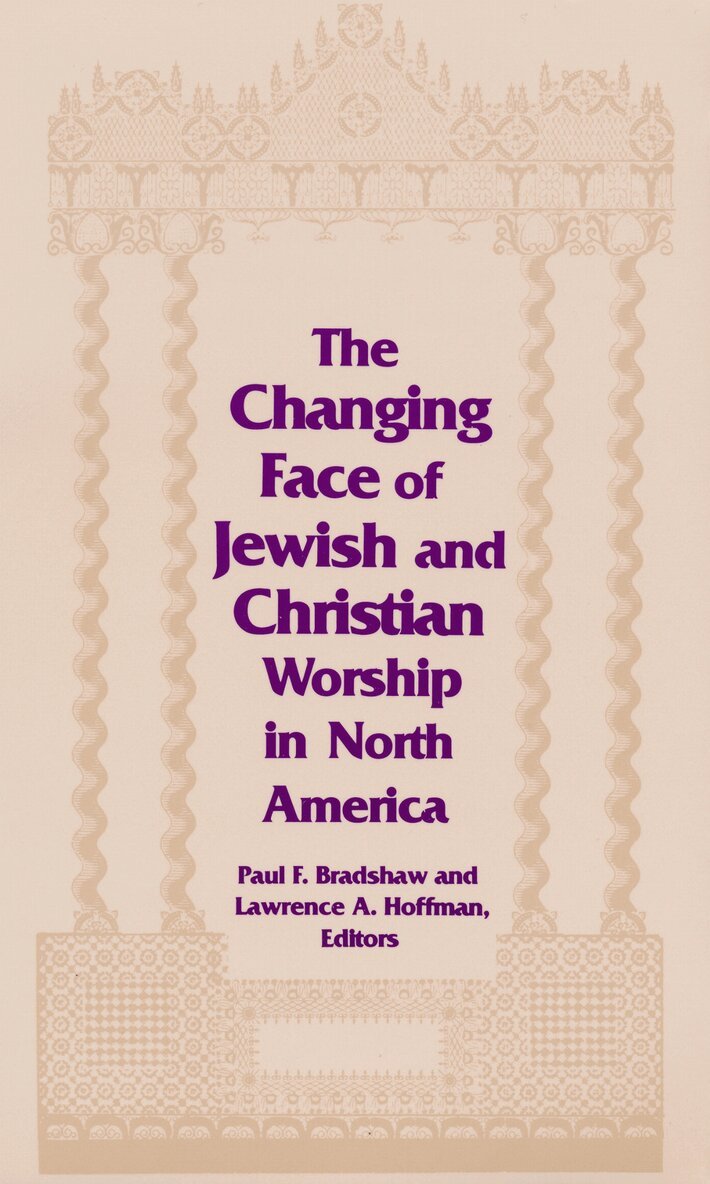
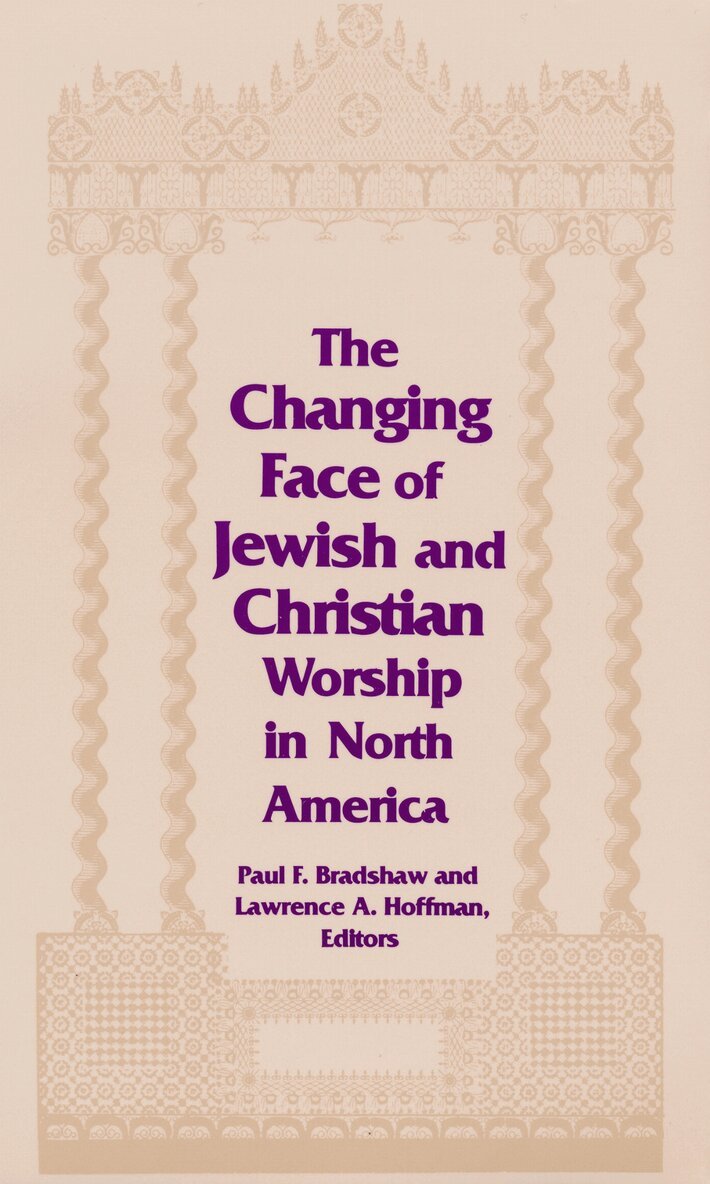
The Making of Jewish and Christian Worship, volume 1 of Two Liturgical Traditions, surveyed the origins and growth of Christian and Jewish liturgy from the first century of the common era until our time. Volume 2, The Changing Face of Jewish and Christian Worship in North America, follows up with an examination of the recent revolution in Jewish and Christian liturgies. The book reflects the particular role of North America in the worldwide experiment in liturgical renewal.The introductory essay inquires, What is a liturgical tradition? Part 1 (Liturgical Traditions and Theologies of "the Other'') is a self-conscious reflection on how Jewish and Christian attitudes toward each other have been expressed in the forms of each tradition's worship. All six of the authors in Part 2 (American Reform or Second Reformation?) have been intimately involved with current liturgical editing and write firsthand accounts of what they think they and their colleagues have accomplished in the new Catholic, Protestant, and Jewish liturgical books. Part 3 (Critiquing Liturgical Reforms) addresses the question of theology, feminist theory, and poetics against which the liturgical works themselves must be judged. The conclusion of this volume looks forward: Where are our traditions heading?A reconsideration of liturgical traditions in general against the backdrop of case studies and critiques, this book reevaluates the challenge posed to Jews and Christians alike as they aspire to reshape, yet retain, the liturgical traditions they have inherited.Contributors include: Lawrence A. Hoffman, Paul F. Bradshaw, Samuel E. Karff, John Gurrieri, Kathleen Hughes, Eugene Brand, Charles P. Price, Hoyt L. Hickman, Jules Harlow, Stanley Dreyfus, David N. Power, Michael A. Signer, Janet Walton, and Mark Searle.
208 kr
Skickas inom 10-15 vardagar
The Making of Jewish and Christian Worship, volume 1 of Two Liturgical Traditions, surveyed the origins and growth of Christian and Jewish liturgy from the first century of the common era until our time. Volume 2, The Changing Face of Jewish and Christian Worship in North America, follows up with an examination of the recent revolution in Jewish and Christian liturgies. The book reflects the particular role of North America in the worldwide experiment in liturgical renewal.The introductory essay inquires, What is a liturgical tradition? Part 1 (Liturgical Traditions and Theologies of "the Other'') is a self-conscious reflection on how Jewish and Christian attitudes toward each other have been expressed in the forms of each tradition's worship. All six of the authors in Part 2 (American Reform or Second Reformation?) have been intimately involved with current liturgical editing and write firsthand accounts of what they think they and their colleagues have accomplished in the new Catholic, Protestant, and Jewish liturgical books. Part 3 (Critiquing Liturgical Reforms) addresses the question of theology, feminist theory, and poetics against which the liturgical works themselves must be judged. The conclusion of this volume looks forward: Where are our traditions heading?A reconsideration of liturgical traditions in general against the backdrop of case studies and critiques, this book reevaluates the challenge posed to Jews and Christians alike as they aspire to reshape, yet retain, the liturgical traditions they have inherited.Contributors include: Lawrence A. Hoffman, Paul F. Bradshaw, Samuel E. Karff, John Gurrieri, Kathleen Hughes, Eugene Brand, Charles P. Price, Hoyt L. Hickman, Jules Harlow, Stanley Dreyfus, David N. Power, Michael A. Signer, Janet Walton, and Mark Searle.
1 079 kr
Skickas inom 10-15 vardagar
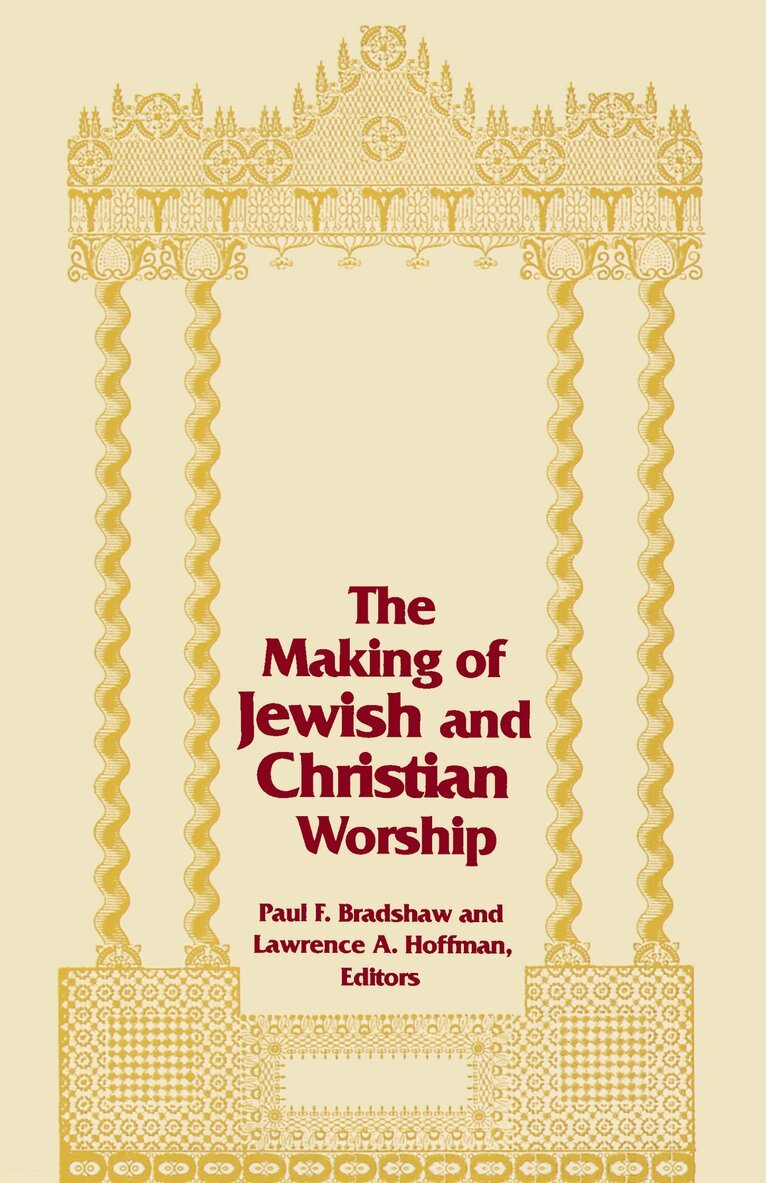
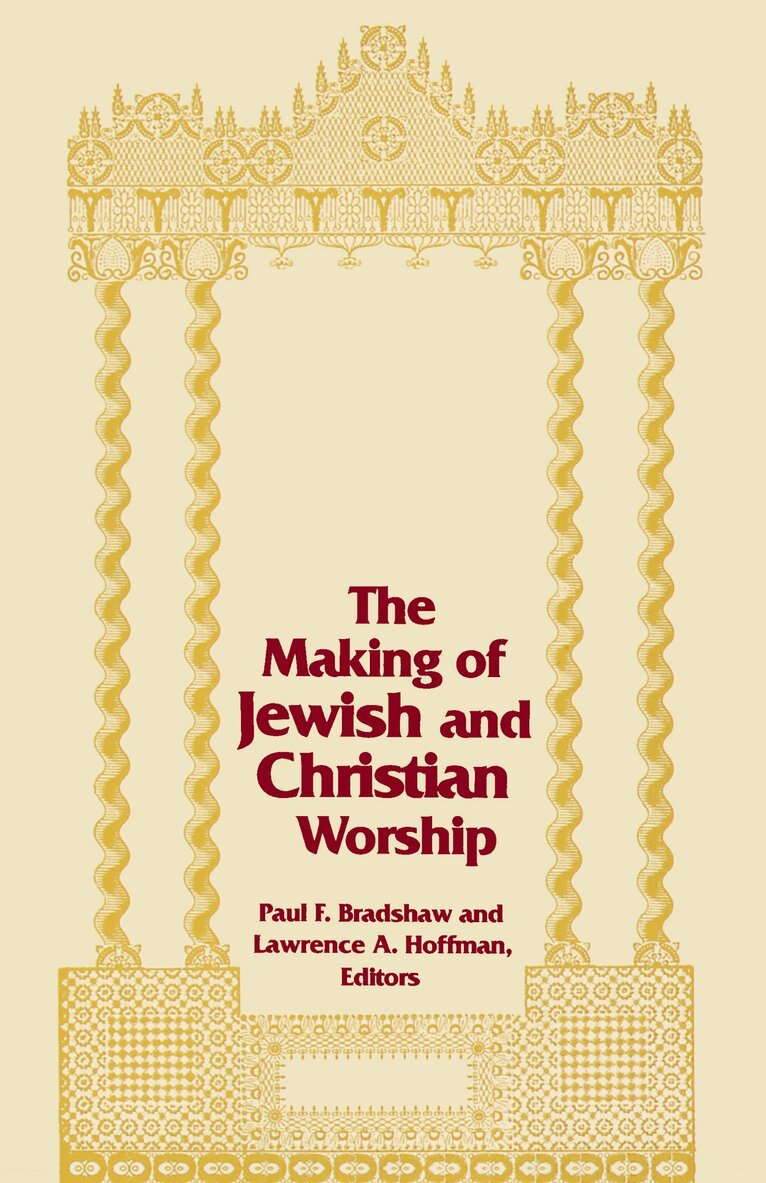
This volume inaugurates a series celebrating the liturgical and ecumenical breakthrough that has marked the past several decades. Both Jews and Christians have come to new, even revolutionary, views of worship, not only how it began but also what it is today. The first volume describes how the liturgies of synagogue and church were born and how they evolved through the ages. This dual focus on both past and present, by no means accidental, shows clearly that from a liturgical point of view there is no such thing as purely academic scholarship. In an age that values tradition even as it criticizes it, the reconstruction of yesterday's liturgical practice has an impact upon today's spirituality.The idea for Bradshaw's and Hoffman's three-volume series came from what may have been the first-joint Jewish and Christian conference on liturgy, held at the University of Notre Dame in June, 1988. The first two volumes of this series contain some of the papers delivered at the conference itself, and other contributions that were specially written to complement them.Contributors: Paul F. Bradshaw, Lawrence A. Hoffman, Tzvee Zahavy, Marilyn J. S. Chiat and Marchita B. Mauck, Stefan C. Reif, Eric L. Friedland, John F. Baldovin, S.J., and Susan J. White.
302 kr
Skickas inom 10-15 vardagar
This volume inaugurates a series celebrating the liturgical and ecumenical breakthrough that has marked the past several decades. Both Jews and Christians have come to new, even revolutionary, views of worship, not only how it began but also what it is today. The first volume describes how the liturgies of synagogue and church were born and how they evolved through the ages. This dual focus on both past and present, by no means accidental, shows clearly that from a liturgical point of view there is no such thing as purely academic scholarship. In an age that values tradition even as it criticizes it, the reconstruction of yesterday's liturgical practice has an impact upon today's spirituality.The idea for Bradshaw's and Hoffman's three-volume series came from what may have been the first-joint Jewish and Christian conference on liturgy, held at the University of Notre Dame in June, 1988. The first two volumes of this series contain some of the papers delivered at the conference itself, and other contributions that were specially written to complement them.Contributors: Paul F. Bradshaw, Lawrence A. Hoffman, Tzvee Zahavy, Marilyn J. S. Chiat and Marchita B. Mauck, Stefan C. Reif, Eric L. Friedland, John F. Baldovin, S.J., and Susan J. White.
1 079 kr
Skickas inom 10-15 vardagar
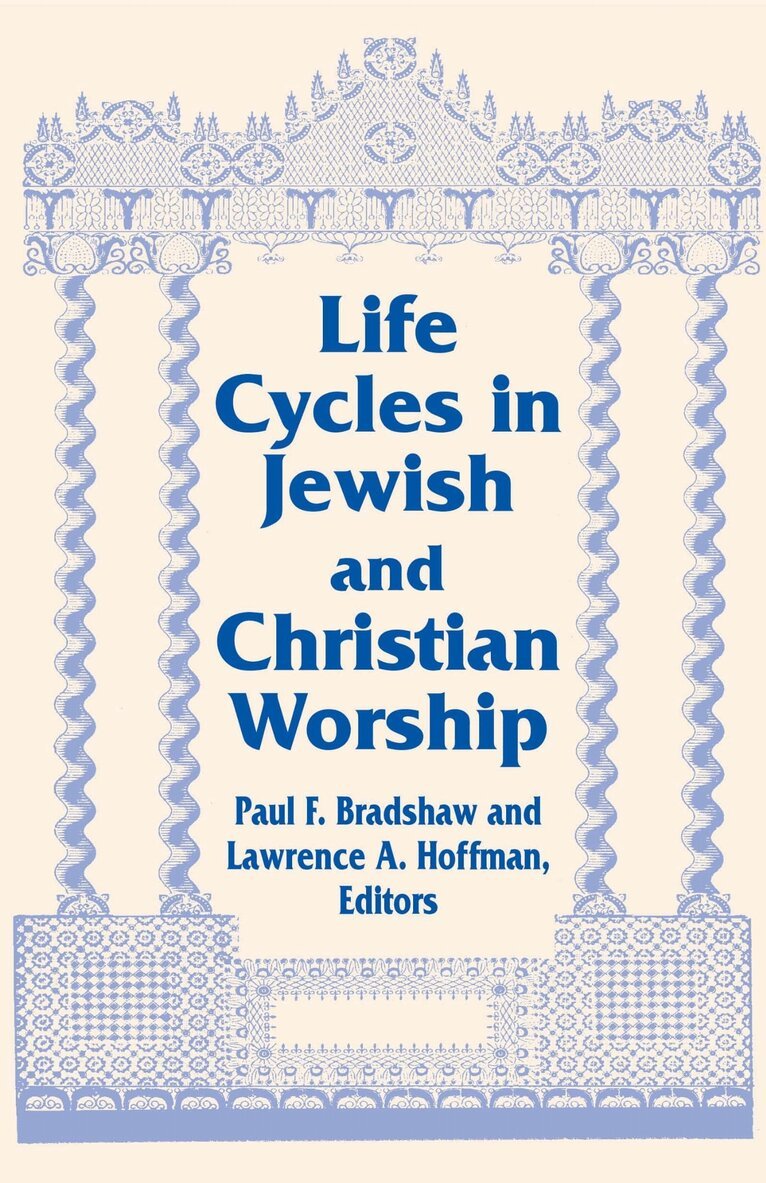
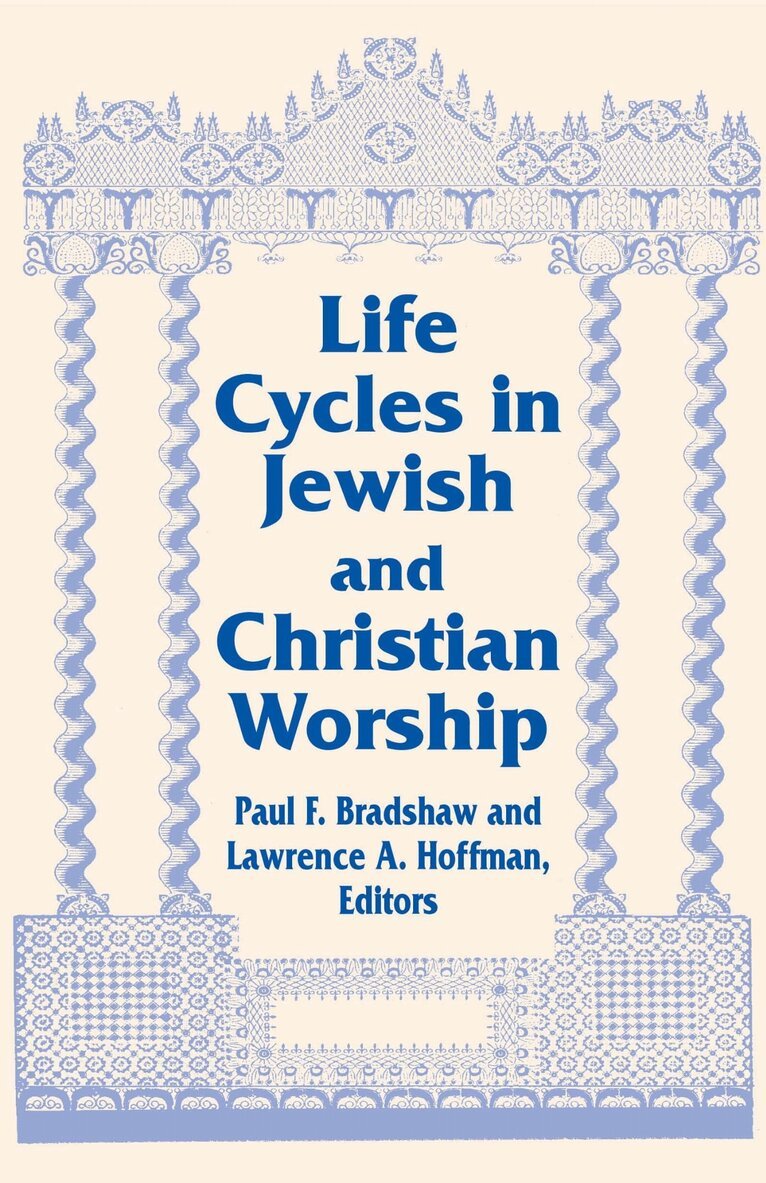
More than a series of rites of passage through the landmarks of growing up and growing old, Jewish and Christian life-cycle rituals give the members of each religious tradition theological and ritualized definitions of what a life should be. In this volume, the fourth in the acclaimed series Two Liturgical Traditions, eight scholars explore the models of human life implicit in Judaism and Christianity by unraveling and exploring the evolution and current condition of their life-cycle liturgies. By combining the historical-critical method of traditional scholarship with that of more recent theory drawn from the human sciences, Life Cycles in Jewish and Christian Worship provides a novel treatment of Jewish and Christian life cycles, past and present, and is a unique and invaluable guide to the history, practice, and theology of life-cycle liturgy.Contributors: Paul F. Bradshaw, Lawrence A. Hoffman, Ruth A. Meyers, Debra R. Blank, Karen B. Westerfield Tucker, Marjorie Procter-Smith, and Yoel Kahn.
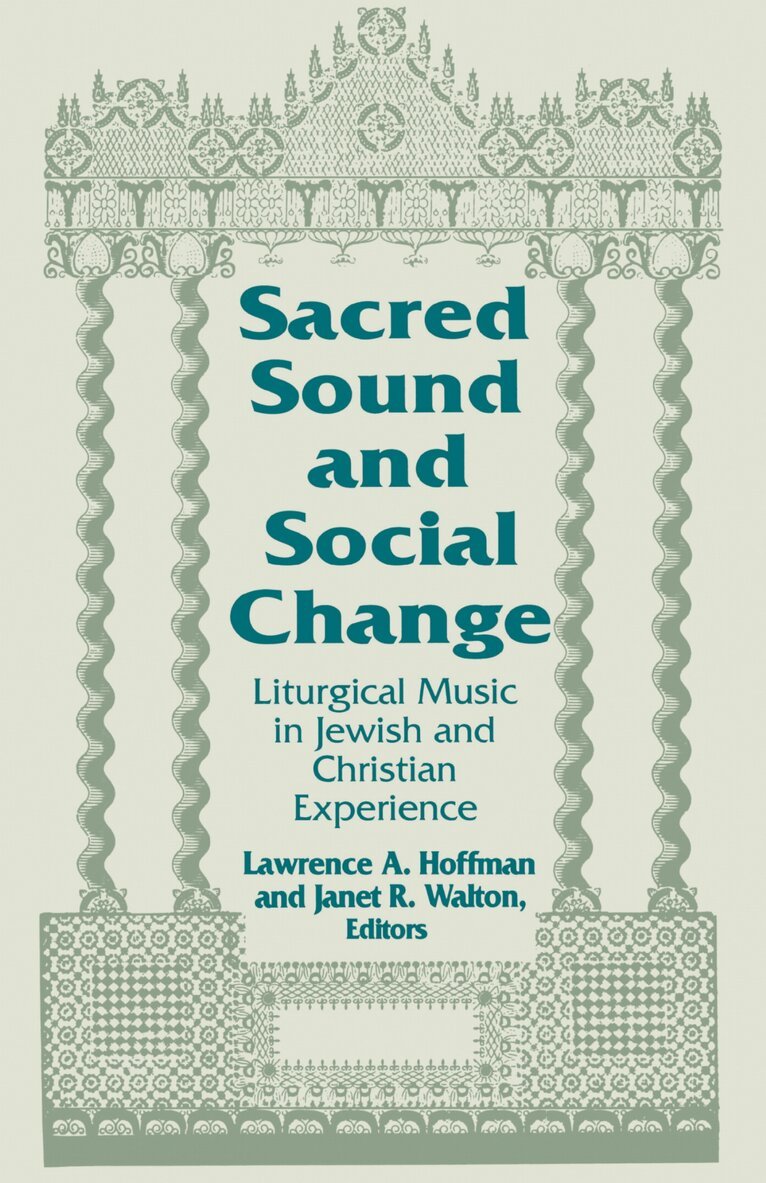
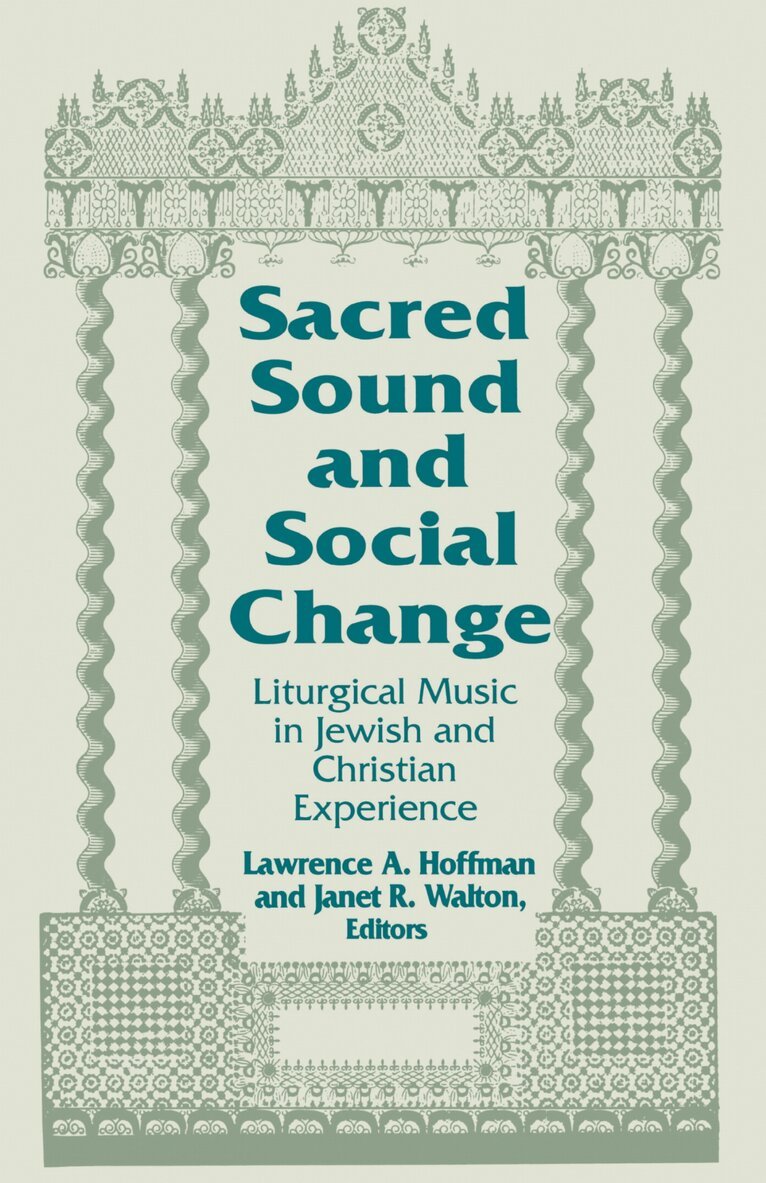
Sacred Sound and Social Change
Liturgical Music in Jewish and Christian Experience
Inbunden, Engelska, 1992
1 347 kr
Skickas inom 10-15 vardagar
Teachers, students, composers, performers, and other practitioners of sacred sound will appreciate this volume because, unlike any book currently available on sacred music, it treats the history, development, current practices, composition, and critical views of the liturgical music of both the Jewish and Christian traditions. Contributors trace Jewish music from its place in Hebrew Scriptures through the nineteenth-century Reform movement. Similar accounts of Christian music describe its growth up to the Protestant Reformation, as well as post-Reformation development. Other essays explore liturgical music in contemporary North America by analyzing it against the backdrop of the continuous social change that characterizes our era.
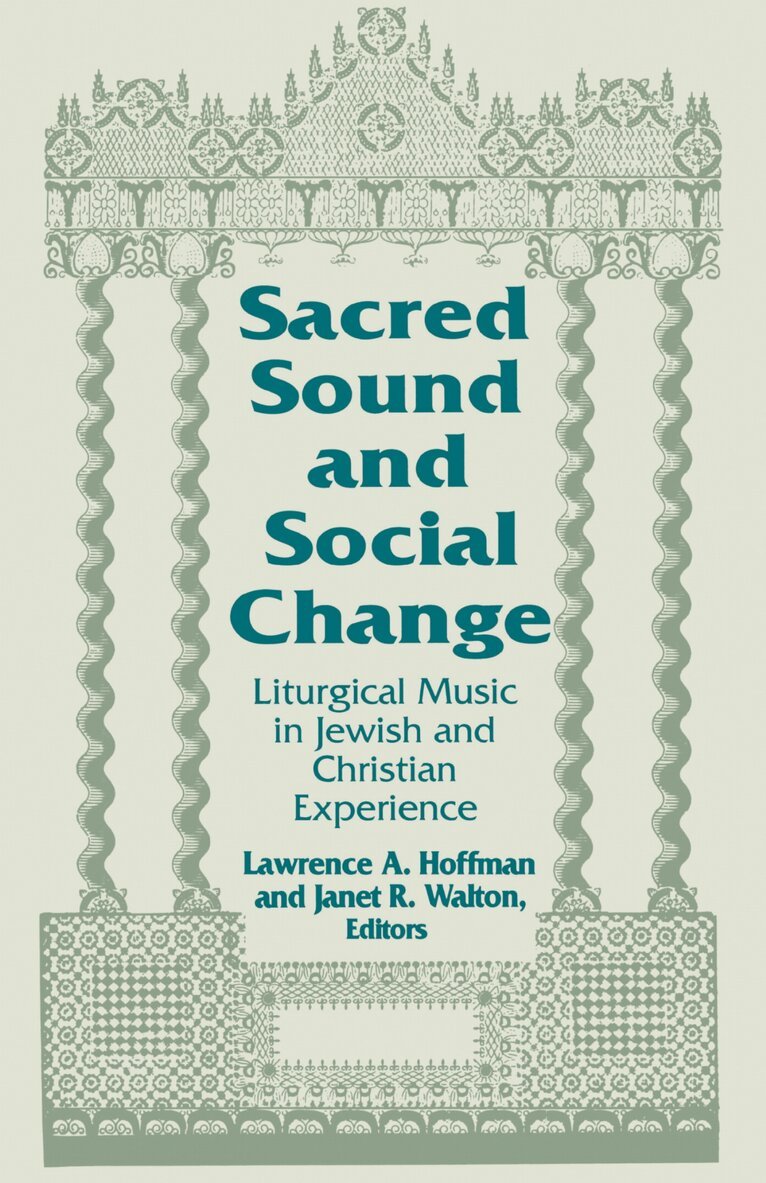
Sacred Sound and Social Change
Liturgical Music in Jewish and Christian Experience
Häftad, Engelska, 1993
423 kr
Skickas inom 10-15 vardagar
Teachers, students, composers, performers, and other practitioners of sacred sound will appreciate this volume because, unlike any book currently available on sacred music, it treats the history, development, current practices, composition, and critical views of the liturgical music of both the Jewish and Christian traditions. Contributors trace Jewish music from its place in Hebrew Scriptures through the nineteenth-century Reform movement. Similar accounts of Christian music describe its growth up to the Protestant Reformation, as well as post-Reformation development. Other essays explore liturgical music in contemporary North America by analyzing it against the backdrop of the continuous social change that characterizes our era.
369 kr
Skickas inom 10-15 vardagar
More than a series of rites of passage through the landmarks of growing up and growing old, Jewish and Christian life-cycle rituals give the members of each religious tradition theological and ritualized definitions of what a life should be. In this volume, the fourth in the acclaimed series Two Liturgical Traditions, eight scholars explore the models of human life implicit in Judaism and Christianity by unraveling and exploring the evolution and current condition of their life-cycle liturgies. By combining the historical-critical method of traditional scholarship with that of more recent theory drawn from the human sciences, Life Cycles in Jewish and Christian Worship provides a novel treatment of Jewish and Christian life cycles, past and present, and is a unique and invaluable guide to the history, practice, and theology of life-cycle liturgy.Contributors: Paul F. Bradshaw, Lawrence A. Hoffman, Ruth A. Meyers, Debra R. Blank, Karen B. Westerfield Tucker, Marjorie Procter-Smith, and Yoel Kahn.
1 079 kr
Skickas inom 10-15 vardagar
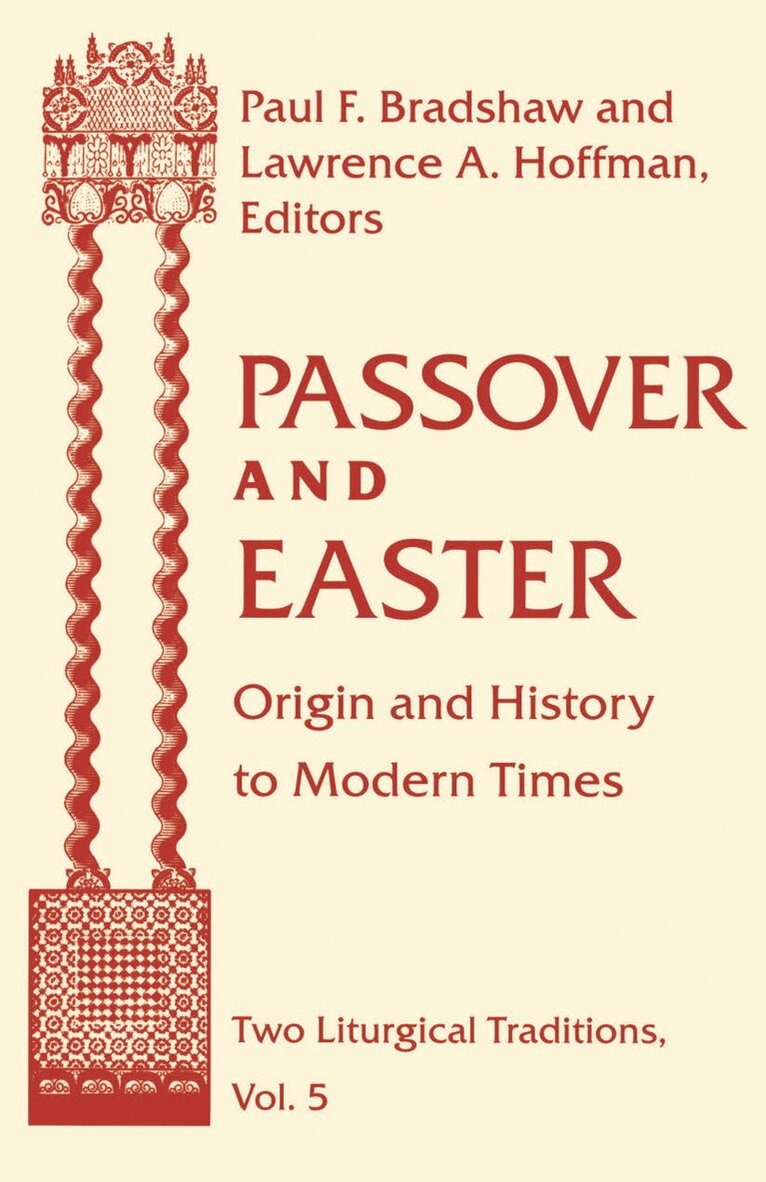
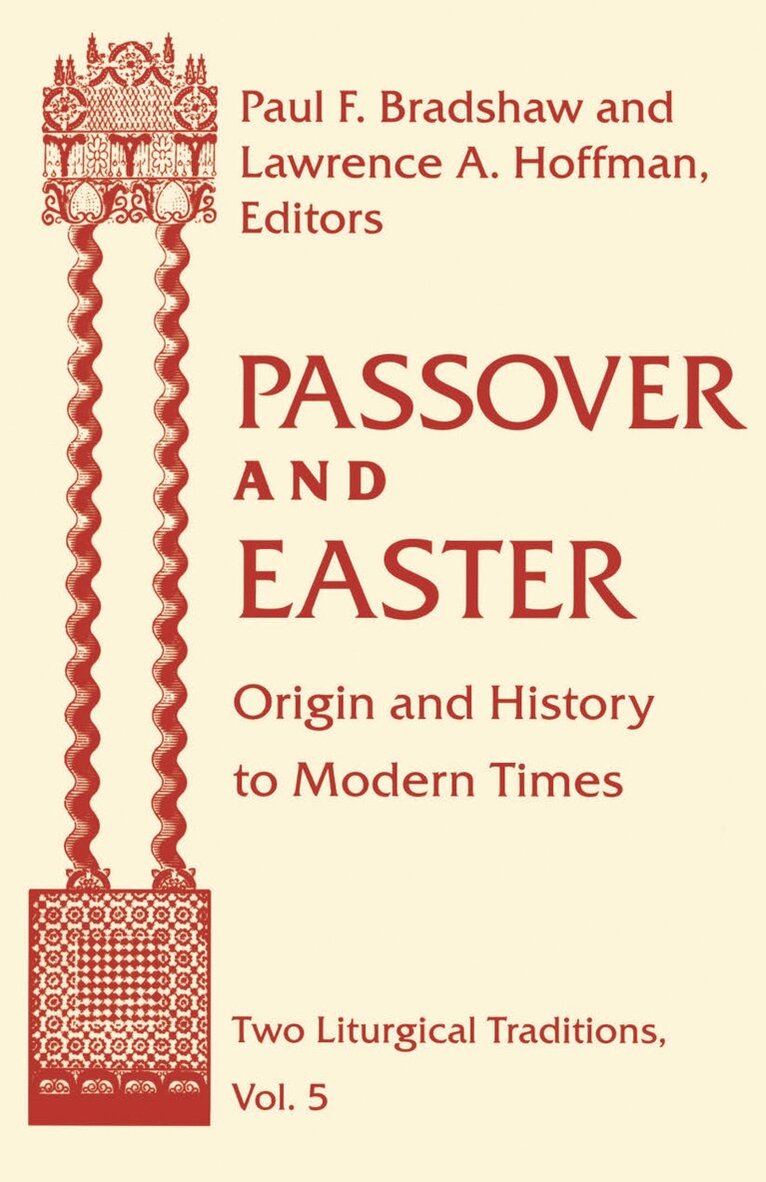
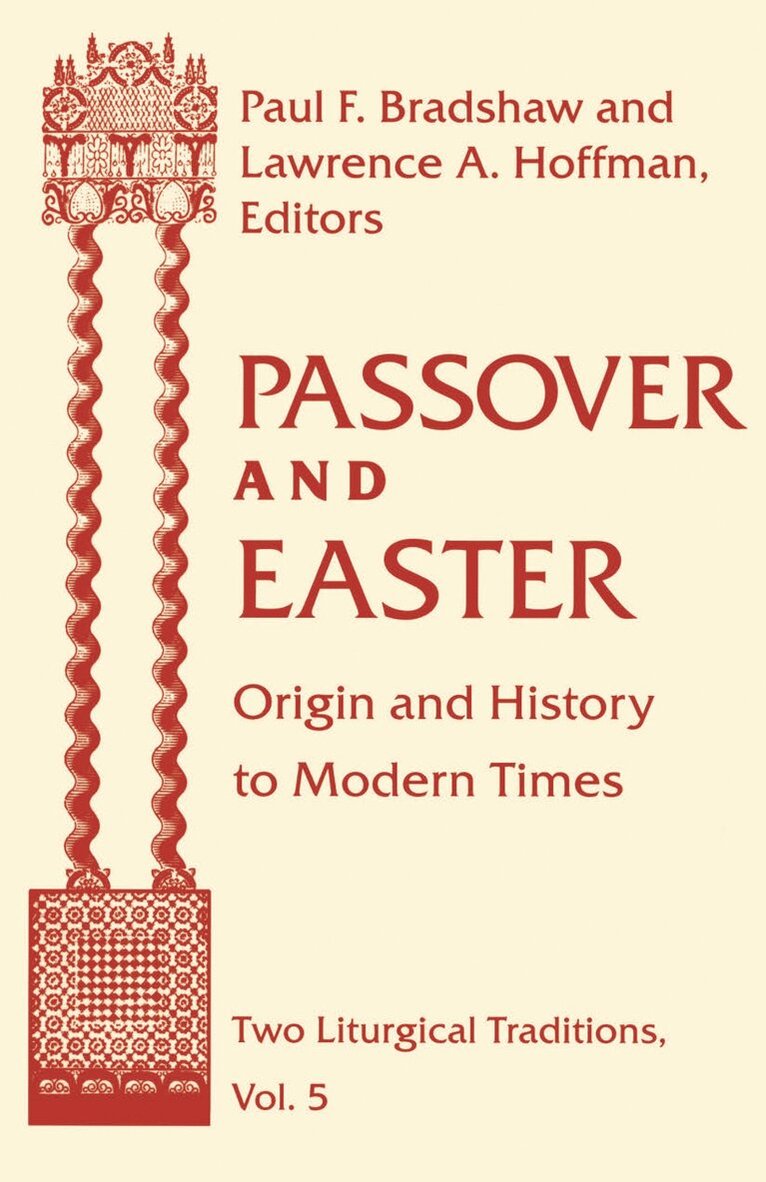
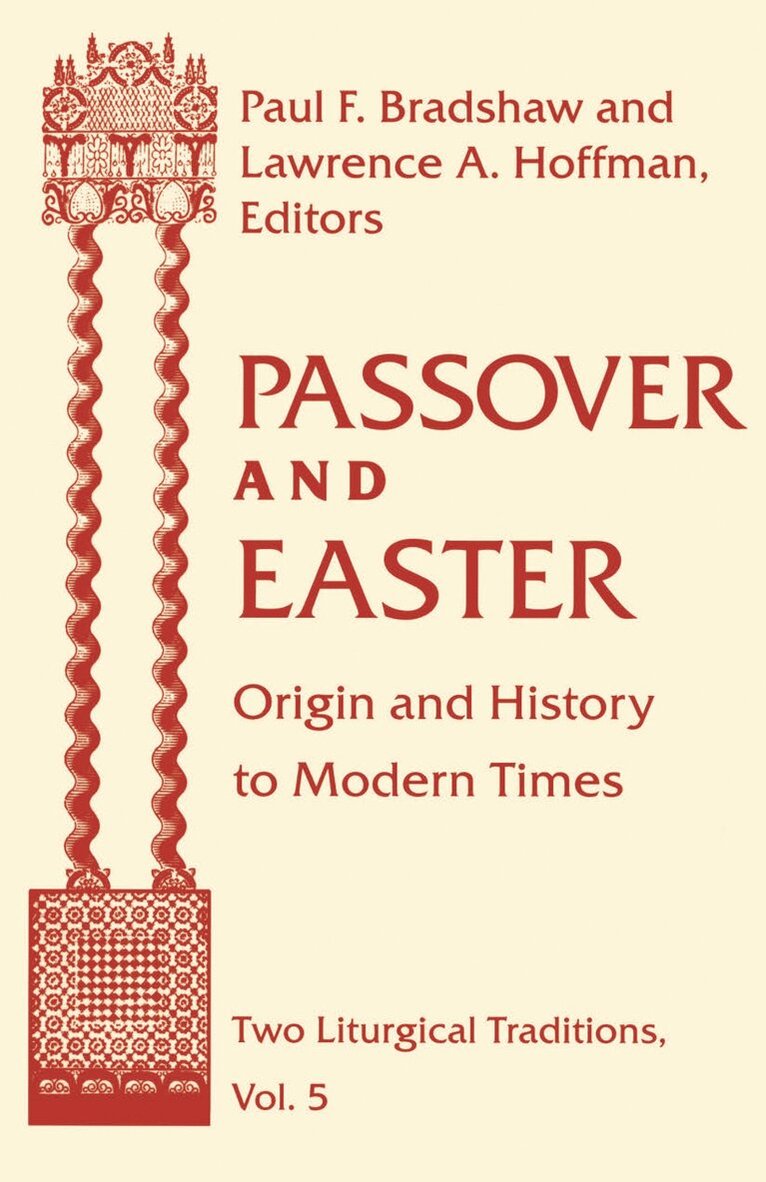
Passover and Easter constitute for Jews and Christians respectively the most important festivals of the year. Although sharing a common root, the feasts have developed in quite distinct ways in the two traditions, in part independently of one another and in part in reaction against the other. Following the pattern set in earlier volumes in this series, these two volumes bring together a group of distinguished Jewish and Christian scholars to explore the history of the two celebrations, paying particular attention to similarities and connections between them as well as to differences and contrasts. They not only present a convenient summary of current historical thought but also open up new perspectives on the evolution of these annual observances.Volume 5 in the series focuses especially on the origins and early development of the feasts and on the way that established practices have changed in recent years. Volume 6, also in the series, focuses on the contexts in which they occur—the periods of preparation for the feasts in the respective calendars and their connection to Shavuot/Pentecost—as well as to their traditional expression in art and music. At the same time, the essays raise some fundamental questions about the future. Have modern human beings so lost the sense of sacred time in their lives, for instance, that these great feasts can never again be what they once were for former generations of believers? And what about recent attempts by some Christians to enter into their heritage by celebrating a Jewish Seder as part of their annual Holy Week and Easter services?Specialists and general readers alike will find much to interest and challenge them within these two additions to what has become a highly regarded series in the world of liturgical scholarship.
1 079 kr
Skickas inom 10-15 vardagar
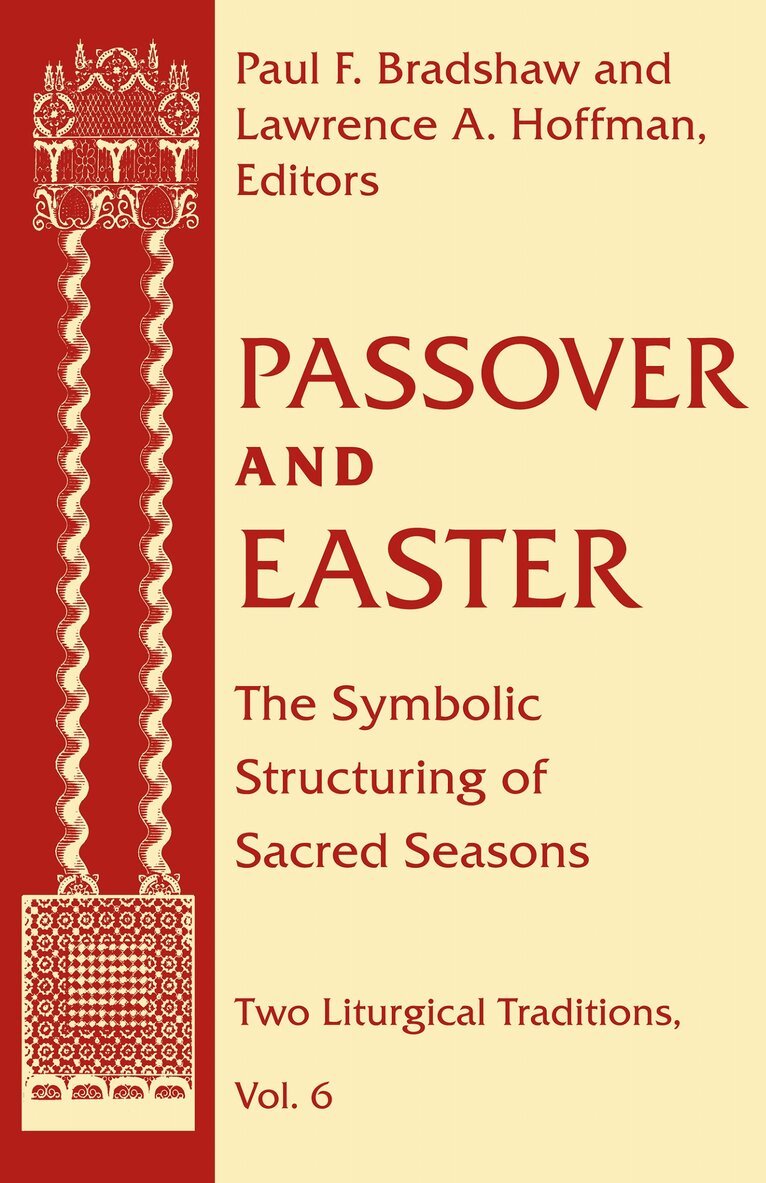
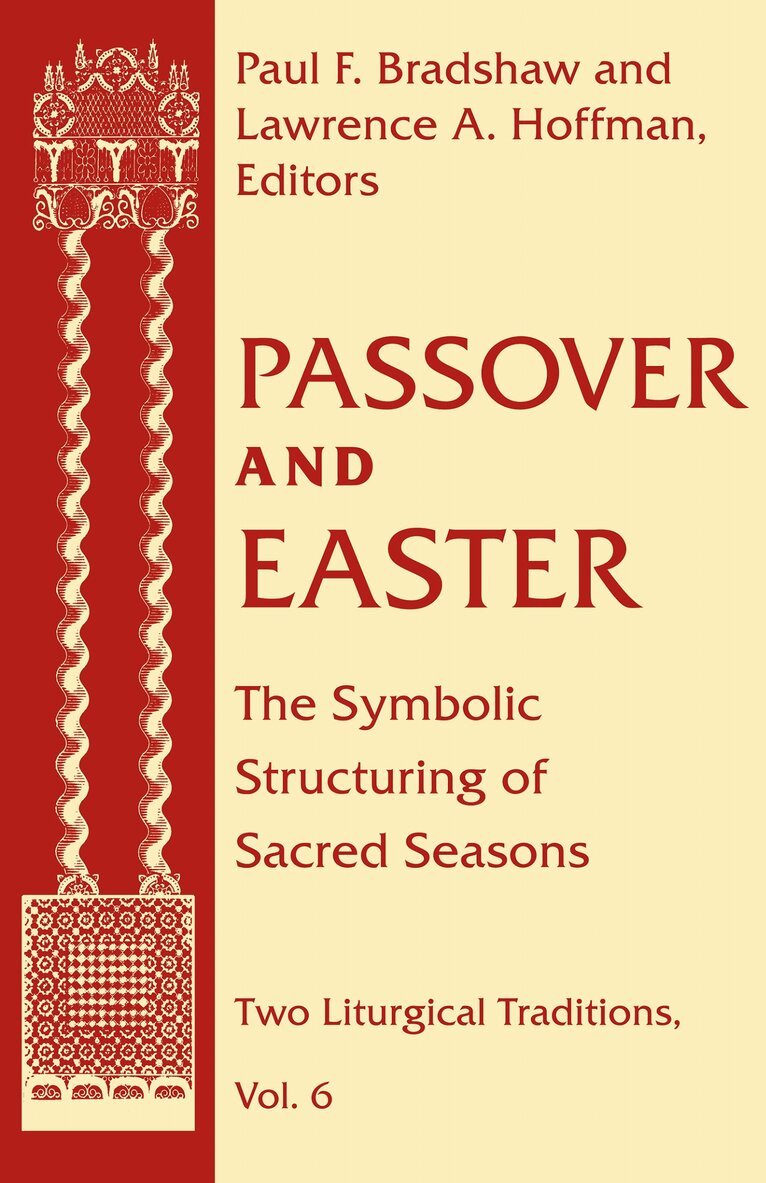
Passover and Easter constitute for Jews and Christians respectively the most important festivals of the year. Although sharing a common root, the feasts have developed in quite distinct ways in the two traditions, in part independently of one another and in part in reaction against the other. Following the pattern set in earlier volumes in this series, these two volumes bring together a group of distinguished Jewish and Christian scholars to explore the history of the two celebrations, paying particular attention to similarities and connections between them as well as to differences and contrasts. They not only present a convenient summary of current historical thought but also open up new perspectives on the evolution of these annual observances.Volume 6 focuses on the contexts in which they occur—the periods of preparation for the feasts in the respective calendars and their connection to Shavuot/Pentecost—as well as to their traditional expression in art and music. Volume 5, also in the series, focuses especially on the origins and early development of the feasts and on the way that established practices have changed in recent years. At the same time, the essays raise some fundamental questions about the future. Have modern human beings so lost the sense of sacred time in their lives, for instance, that these great feasts can never again be what they once were for former generations of believers? And what about recent attempts by some Christians to enter into their heritage by celebrating a Jewish Seder as part of their annual Holy Week and Easter services?Specialists and general readers alike will find much to interest and challenge them within these two additions to what has become a highly regarded series in the world of liturgical scholarship.
369 kr
Skickas inom 10-15 vardagar
Passover and Easter constitute for Jews and Christians respectively the most important festivals of the year. Although sharing a common root, the feasts have developed in quite distinct ways in the two traditions, in part independently of one another and in part in reaction against the other. Following the pattern set in earlier volumes in this series, these two volumes bring together a group of distinguished Jewish and Christian scholars to explore the history of the two celebrations, paying particular attention to similarities and connections between them as well as to differences and contrasts. They not only present a convenient summary of current historical thought but also open up new perspectives on the evolution of these annual observances.Volume 5 in the series focuses especially on the origins and early development of the feasts and on the way that established practices have changed in recent years. Volume 6, also in the series, focuses on the contexts in which they occur—the periods of preparation for the feasts in the respective calendars and their connection to Shavuot/Pentecost—as well as to their traditional expression in art and music. At the same time, the essays raise some fundamental questions about the future. Have modern human beings so lost the sense of sacred time in their lives, for instance, that these great feasts can never again be what they once were for former generations of believers? And what about recent attempts by some Christians to enter into their heritage by celebrating a Jewish Seder as part of their annual Holy Week and Easter services?Specialists and general readers alike will find much to interest and challenge them within these two additions to what has become a highly regarded series in the world of liturgical scholarship.
302 kr
Skickas inom 10-15 vardagar
Passover and Easter constitute for Jews and Christians respectively the most important festivals of the year. Although sharing a common root, the feasts have developed in quite distinct ways in the two traditions, in part independently of one another and in part in reaction against the other. Following the pattern set in earlier volumes in this series, these two volumes bring together a group of distinguished Jewish and Christian scholars to explore the history of the two celebrations, paying particular attention to similarities and connections between them as well as to differences and contrasts. They not only present a convenient summary of current historical thought but also open up new perspectives on the evolution of these annual observances.Volume 6 focuses on the contexts in which they occur—the periods of preparation for the feasts in the respective calendars and their connection to Shavuot/Pentecost—as well as to their traditional expression in art and music. Volume 5, also in the series, focuses especially on the origins and early development of the feasts and on the way that established practices have changed in recent years. At the same time, the essays raise some fundamental questions about the future. Have modern human beings so lost the sense of sacred time in their lives, for instance, that these great feasts can never again be what they once were for former generations of believers? And what about recent attempts by some Christians to enter into their heritage by celebrating a Jewish Seder as part of their annual Holy Week and Easter services?Specialists and general readers alike will find much to interest and challenge them within these two additions to what has become a highly regarded series in the world of liturgical scholarship.