Urban Agenda - Böcker
Visar alla böcker i serien Urban Agenda. Handla med fri frakt och snabb leverans.
9 produkter
9 produkter
1 167 kr
Skickas inom 7-10 vardagar
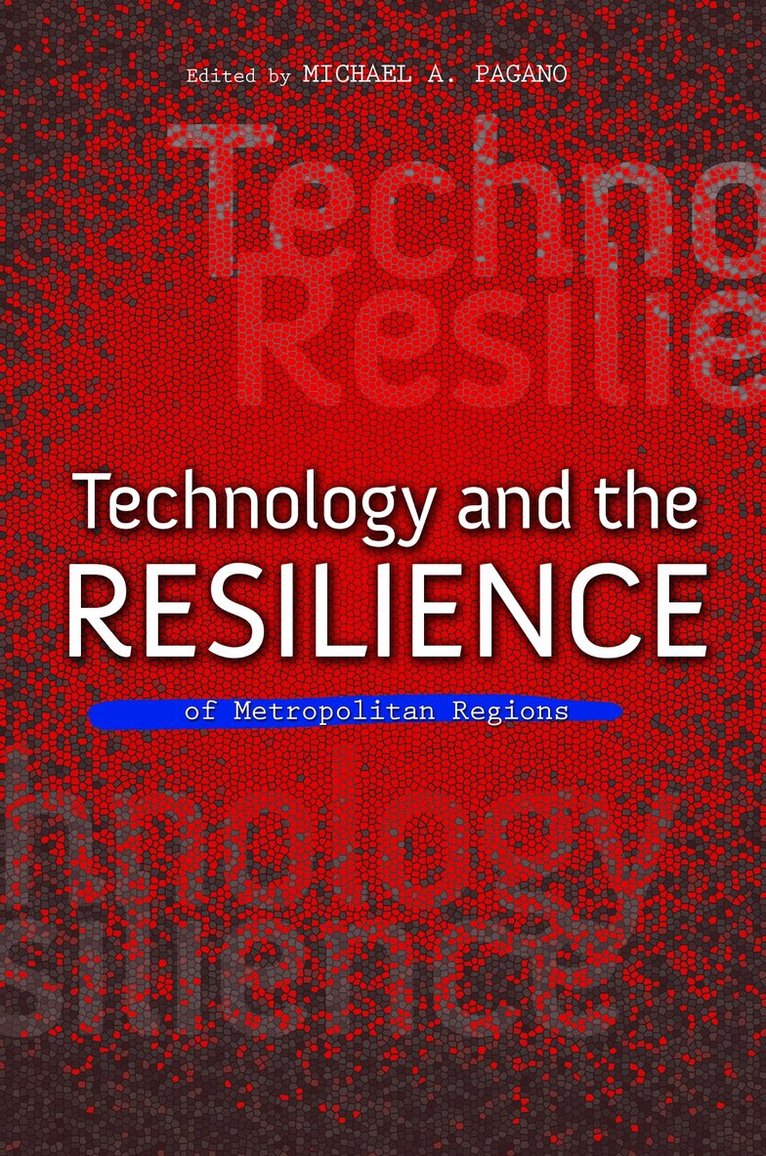
Can today's city govern well if its citizens lack modern technology? How important is access to computers for lowering unemployment? What infrastructure does a city have to build in order to attract new business? In this new collection, Michael A. Pagano curates engagement with such questions by public intellectuals, stakeholders, academics, policy analysts, and citizens. Each essay explores issues related to the impact and opportunities technology provides in government and citizenship, health care, workforce development, service delivery to citizens, and metropolitan growth. As the authors show, rapidly emerging technologies and access to such technologies shape the ways people and institutions interact in the public sphere and private marketplace. The direction of metropolitan growth and development, in turn, depends on access to appropriate technology scaled and informed by the individual, household, and community needs of the region. Contributors include Randy Blankenhorn, Bénédicte Callan, Jane Fountain, Sandee Kastrul, Karen Mossberger, Dan O'Neil, Michelle Russell, Alfred Tatum, Stephanie Truchan, Darrel West, and Howard Wial.
1 167 kr
Skickas inom 7-10 vardagar
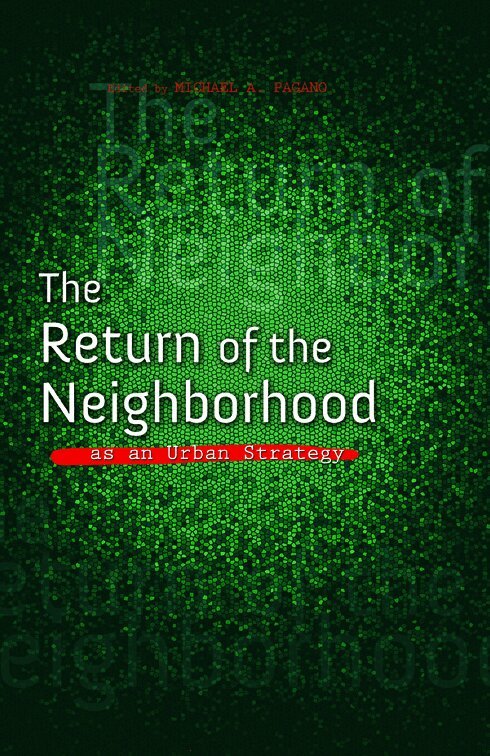
In this new volume, Michael A. Pagano curates essays focusing on the neighborhood's role in urban policy solutions. The papers emerged from dynamic discussions among policy makers, researchers, public intellectuals, and citizens at the 2014 UIC Urban Forum. As the writers show, the greater the city, the more important its neighborhoods and their distinctions. The topics focus on sustainable capital and societal investments in people and firms at the neighborhood level. Proposed solutions cover a range of possibilities for enhancing the quality of life for individuals, households, and neighborhoods. These include everything from microenterprises to factories; from social spaces for collective and social action to private facilities; from affordable housing and safety to gated communities; and from neighborhood public education to cooperative, charter, and private schools.Contributors: Andy Clarno, Teresa CÓrdova, Nilda Flores-GonzÁlez, Pedro A. Noguera, Alice O'Connor, Mary Pattillo, Janet Smith, Nik Theodore, Elizabeth S. Todd-Breland, Stephanie Truchan, and Rachel Weber.
1 202 kr
Skickas inom 7-10 vardagar
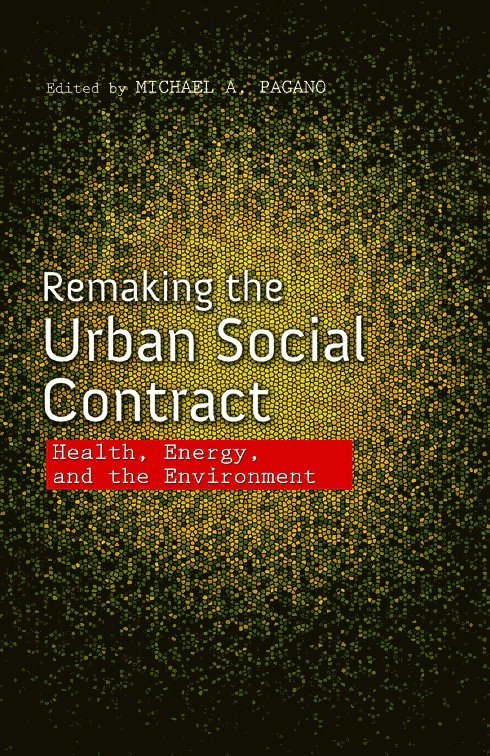
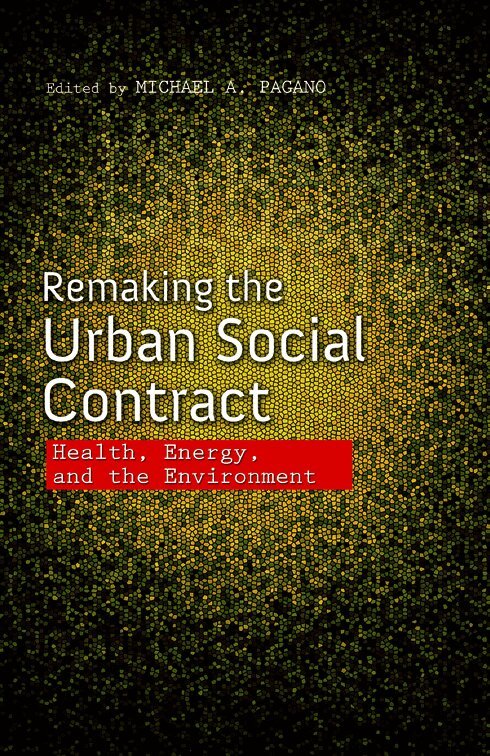
This new volume draws from provocative discussions on the urban social contract among policy makers, researchers, public intellectuals, and citizens at the 2015 UIC Urban Forum. Michael A. Pagano presents papers that emphasize political agreements, disagreements, challenges, and controversies on health, energy, and environmental policies. Authors explore the substantive and philosophical changes in the urban social contract and offer proposals for remaking it in the new century. Topics range from big-picture analyses to specifics covering areas like public services, the smart cities movement, and greening strategies. Contributors: Alba Alexander, Megan Houston, Dennis R. Judd, Cynthia Klein-Banai, William C. Kling, Howard A. Learner, David A. McDonald, David C. Perry, Emily Stiehl, Anthony Townsend, Natalia Villamizar-Duarte, and Moira Zellner.
1 167 kr
Skickas inom 7-10 vardagar
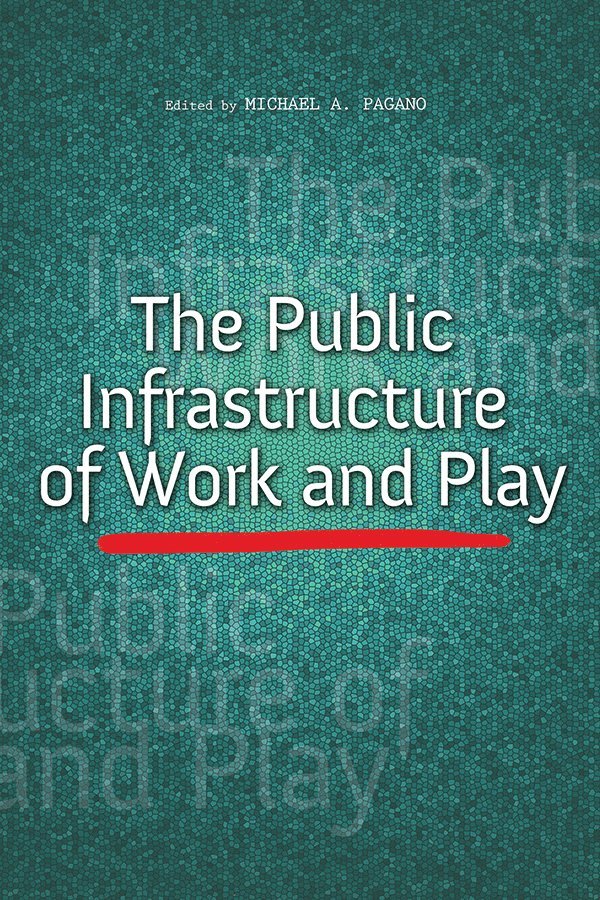
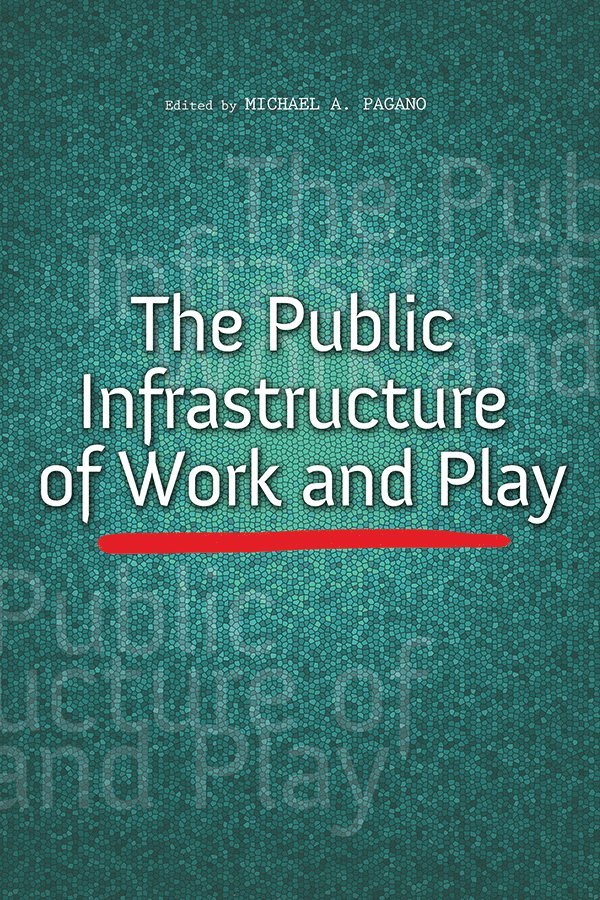
A city's infrastructure influences the daily life of residents, neighborhoods, and businesses. But uniting the hard infrastructure of roads and bridges with the soft infrastructure of parks and public art creates significant political challenges. Planners at all stages must work at an intersection of public policy, markets, and aesthetics--while also accounting for how a project will work in both the present and the future. The latest volume in the Urban Agenda series looks at pressing infrastructure issues discussed at the 2017 UIC Urban Forum. Topics include: competing notions of the infrastructure ideal; what previous large infrastructure programs can teach the Trump Administration; how infrastructure influences city design; the architecture of the cities of tomorrow; who benefits from infrastructure improvements; and evaluations of projects like the Chicago Riverwalk and grassroots efforts to reclaim neighborhood parks from gangs.Contributors: Philip Ashton, Beverly S. Bunch, Bill Burton, Charles Hoch, Sean Lally, and Sanjeev Vidyarthi
231 kr
Skickas inom 7-10 vardagar
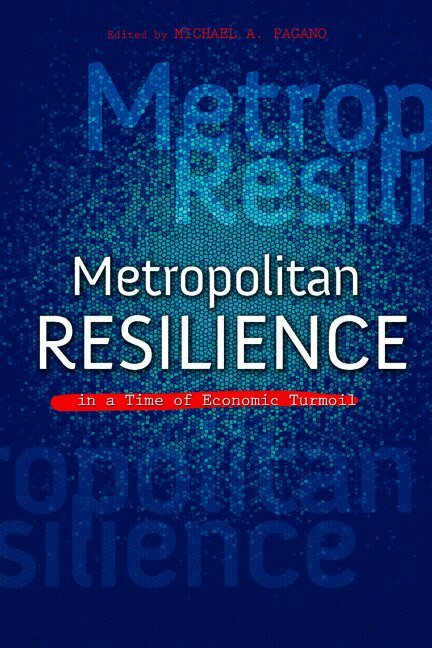
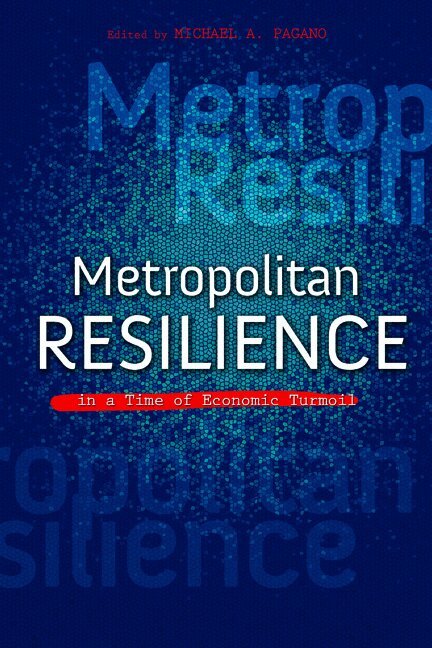
Cities, counties, school districts and other local governments have suffered a long-lasting period of fiscal challenges since the beginning of the Great Recession. Metropolitan governments continue to adjust to the "new normal" of sharply lower property values, consumer sales, and personal income. Contributors to this volume include elected officials, academics, key people in city administrations, and other nationally recognized experts who discuss solutions to the urban problems created by the Great Recession.Metropolitan Resilience in a Time of Economic Turmoil looks at the capacity of local governments to mobilize resources efficiently and effectively, as well as the overall effects of the long-term economic downturn on quality of life. Introducing the reader to the fiscal effects of the Great Recession on cities, the book examines the initial fraying and subsequent mending of the social safety net, the opportunities for pursuing economic development strategies, the challenges of inter-jurisdictional cooperation, and the legacy costs of pension liabilities and infrastructure decay.Contributors are Phil Ashton, Raphael Bostic, Richard Feiock, Rachel A. Gordon, Rebecca Hendrick, Geoffrey J.D. Hewings, David Merriman, Richard Nathan, Michael A. Pagano, Breeze Richardson, Annette Steinacker, Nik Theodore, Rachel Weber, and Margaret Weir.
205 kr
Skickas inom 7-10 vardagar
Can today's city govern well if its citizens lack modern technology? How important is access to computers for lowering unemployment? What infrastructure does a city have to build in order to attract new business? In this new collection, Michael A. Pagano curates engagement with such questions by public intellectuals, stakeholders, academics, policy analysts, and citizens. Each essay explores issues related to the impact and opportunities technology provides in government and citizenship, health care, workforce development, service delivery to citizens, and metropolitan growth. As the authors show, rapidly emerging technologies and access to such technologies shape the ways people and institutions interact in the public sphere and private marketplace. The direction of metropolitan growth and development, in turn, depends on access to appropriate technology scaled and informed by the individual, household, and community needs of the region. Contributors include Randy Blankenhorn, Bénédicte Callan, Jane Fountain, Sandee Kastrul, Karen Mossberger, Dan O'Neil, Michelle Russell, Alfred Tatum, Stephanie Truchan, Darrel West, and Howard Wial.
205 kr
Skickas inom 7-10 vardagar
In this new volume, Michael A. Pagano curates essays focusing on the neighborhood's role in urban policy solutions. The papers emerged from dynamic discussions among policy makers, researchers, public intellectuals, and citizens at the 2014 UIC Urban Forum. As the writers show, the greater the city, the more important its neighborhoods and their distinctions. The topics focus on sustainable capital and societal investments in people and firms at the neighborhood level. Proposed solutions cover a range of possibilities for enhancing the quality of life for individuals, households, and neighborhoods. These include everything from microenterprises to factories; from social spaces for collective and social action to private facilities; from affordable housing and safety to gated communities; and from neighborhood public education to cooperative, charter, and private schools.Contributors: Andy Clarno, Teresa CÓrdova, Nilda Flores-GonzÁlez, Pedro A. Noguera, Alice O'Connor, Mary Pattillo, Janet Smith, Nik Theodore, Elizabeth S. Todd-Breland, Stephanie Truchan, and Rachel Weber.
211 kr
Skickas inom 7-10 vardagar
This new volume draws from provocative discussions on the urban social contract among policy makers, researchers, public intellectuals, and citizens at the 2015 UIC Urban Forum. Michael A. Pagano presents papers that emphasize political agreements, disagreements, challenges, and controversies on health, energy, and environmental policies. Authors explore the substantive and philosophical changes in the urban social contract and offer proposals for remaking it in the new century. Topics range from big-picture analyses to specifics covering areas like public services, the smart cities movement, and greening strategies. Contributors: Alba Alexander, Megan Houston, Dennis R. Judd, Cynthia Klein-Banai, William C. Kling, Howard A. Learner, David A. McDonald, David C. Perry, Emily Stiehl, Anthony Townsend, Natalia Villamizar-Duarte, and Moira Zellner.
205 kr
Skickas inom 7-10 vardagar
A city's infrastructure influences the daily life of residents, neighborhoods, and businesses. But uniting the hard infrastructure of roads and bridges with the soft infrastructure of parks and public art creates significant political challenges. Planners at all stages must work at an intersection of public policy, markets, and aesthetics--while also accounting for how a project will work in both the present and the future. The latest volume in the Urban Agenda series looks at pressing infrastructure issues discussed at the 2017 UIC Urban Forum. Topics include: competing notions of the infrastructure ideal; what previous large infrastructure programs can teach the Trump Administration; how infrastructure influences city design; the architecture of the cities of tomorrow; who benefits from infrastructure improvements; and evaluations of projects like the Chicago Riverwalk and grassroots efforts to reclaim neighborhood parks from gangs.Contributors: Philip Ashton, Beverly S. Bunch, Bill Burton, Charles Hoch, Sean Lally, and Sanjeev Vidyarthi