Urban Music Studies - Böcker
Visar alla böcker i serien Urban Music Studies. Handla med fri frakt och snabb leverans.
7 produkter
7 produkter
1 450 kr
Skickas inom 5-8 vardagar
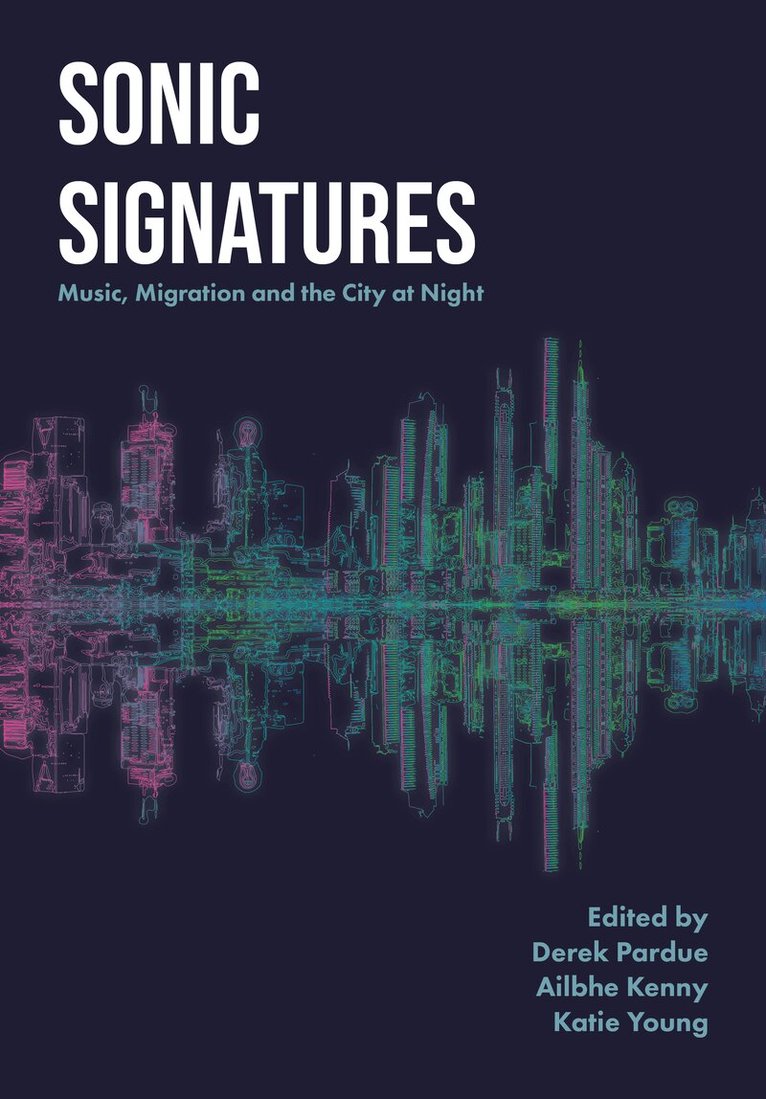
Sonic Signatures is an interdisciplinary collaboration of scholars and music-makers who come together to explore how music makes cities. More specifically, they argue that the musical encounter, composed of an array of production and consumption practices, takes on particular and essential meaning at night. Thinking about music as an encounter allows one to appreciate the value and power of migration within the act of music-making.The majority of voices amplified in the book come from so-called “migrants,” understood as someone who was born in one country and currently lives and works in another. Yet, these words, migration, migrant and migrancy, are more expansive than that as they indicate a range of movement, politics and place-making.Contributions from Emilie Amrein, André de Quadros, Nick Dunn, Pol Esteve, Jillian Fulton-Melanson, Jacqueline Georgis, Masimba Hwati, Ailbhe Kenny, Seger Kersbergen, Brendan Kibbee, Áine Mangaoang, Derek Pardue, Nick Prior, Austin T. Richie, Willians Santos, Sipho Sithole, Gibran Teixeira Braga, Katie Young.A great, engaging transdisciplinary contribution to nightlife studies, music and the city.
334 kr
Skickas inom 5-8 vardagar
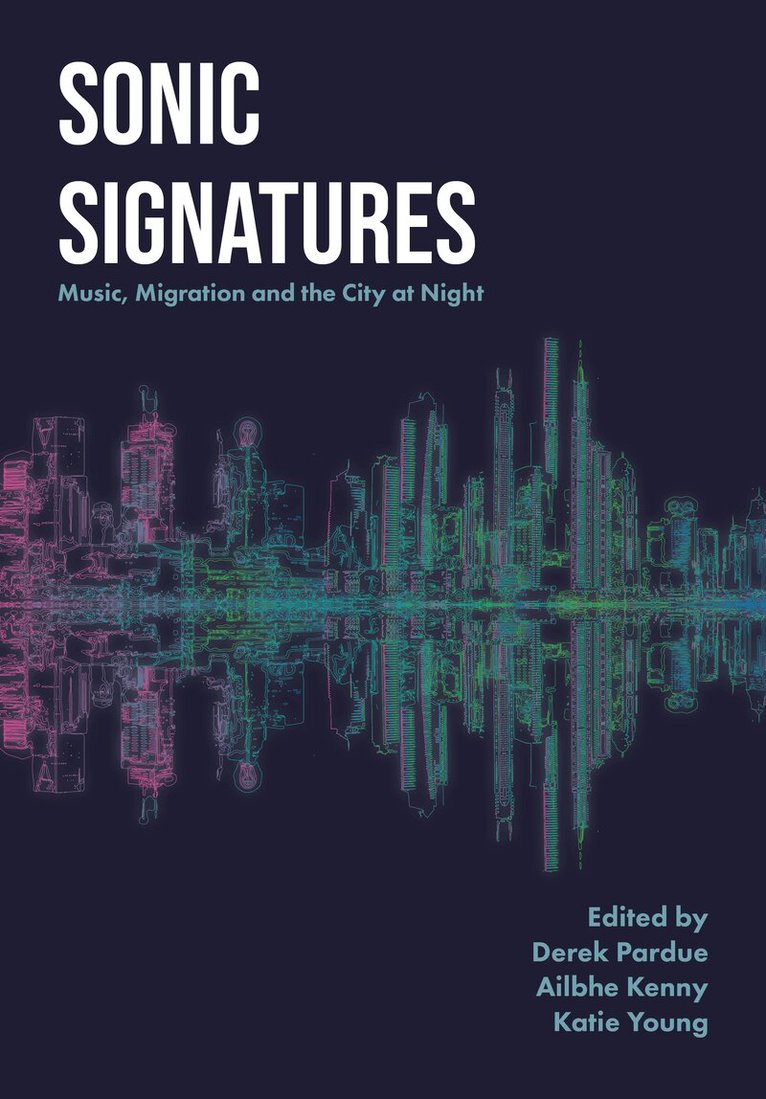
Sonic Signatures is an interdisciplinary collaboration of scholars and music-makers who come together to explore how music makes cities. More specifically, they argue that the musical encounter, composed of an array of production and consumption practices, takes on particular and essential meaning at night. Thinking about music as an encounter allows one to appreciate the value and power of migration within the act of music-making.The majority of voices amplified in the book come from so-called “migrants,” understood as someone who was born in one country and currently lives and works in another. Yet, these words, migration, migrant and migrancy, are more expansive than that as they indicate a range of movement, politics and place-making.Contributions from Emilie Amrein, André de Quadros, Nick Dunn, Pol Esteve, Jillian Fulton-Melanson, Jacqueline Georgis, Masimba Hwati, Ailbhe Kenny, Seger Kersbergen, Brendan Kibbee, Áine Mangaoang, Derek Pardue, Nick Prior, Austin T. Richie, Willians Santos, Sipho Sithole, Gibran Teixeira Braga, Katie Young.A great, engaging transdisciplinary contribution to nightlife studies, music and the city.
1 769 kr
Skickas inom 5-8 vardagar
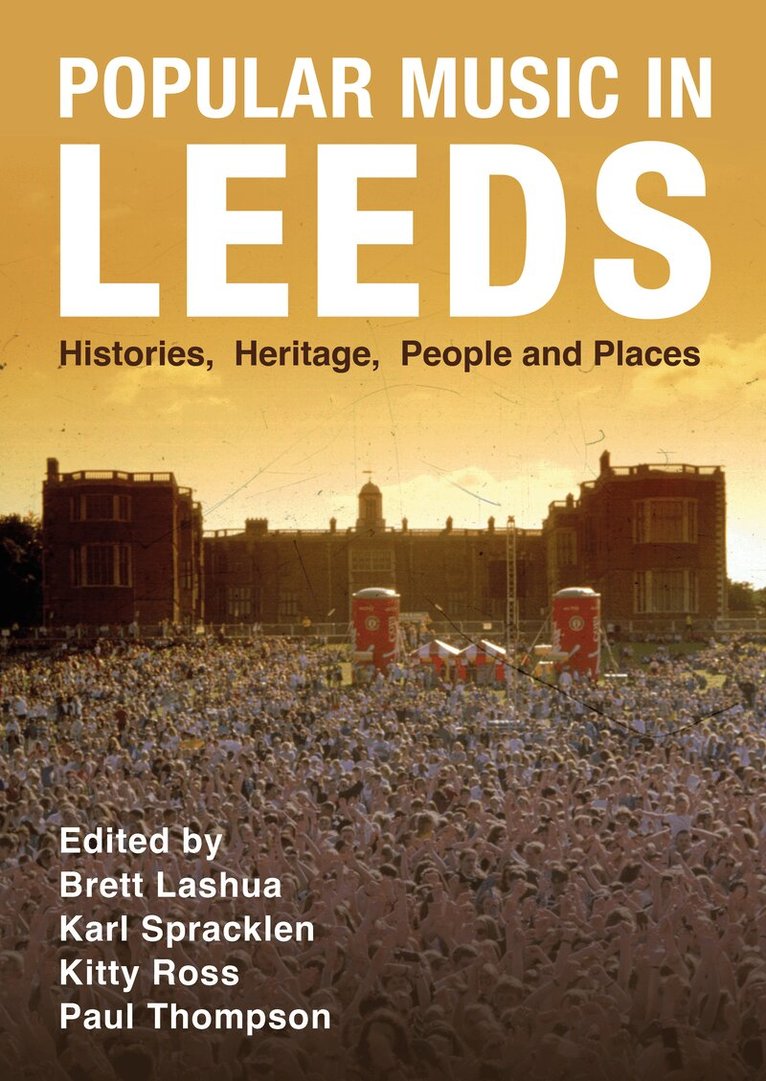
This first academic collection dedicated to popular music in Leeds - developed from the work of interdisciplinary scholars, drawn from a major public museum exhibition “Sounds of Our City” and built upon contemporary research. Leeds has rich musical histories and heritage, a long tradition of vibrant music venues, nightclubs, dance halls, pubs and other sites of musical entertainment. The city has spawned crooners, folk singers, punks, post- punks, Goths, DJs, popstars, rappers and indie rockers, yet – with a few exceptions - Leeds has not been studied for its scenes in ways that other UK cities have. In ways that the chapters explore, Leeds’ popular music exemplifies and informs understandings of broader cultural and urban changes – both in Britain and across wider global contexts – of the social and historical significance of music as mass media; music and migration; music, racialisation and social equity; industrial decline, de-industrialisation, neoliberalism and the rise of the 24-hour city. Charting moments of stark musical politicisation and de-politicisation, while concomitantly tracing arguments about “heritagising” popular music within discussions about music’s “place” in museums and in the urban economy, this book contributes to debates about why music matters, has mattered, and continues to matter in Leeds, and beyond.
425 kr
Skickas
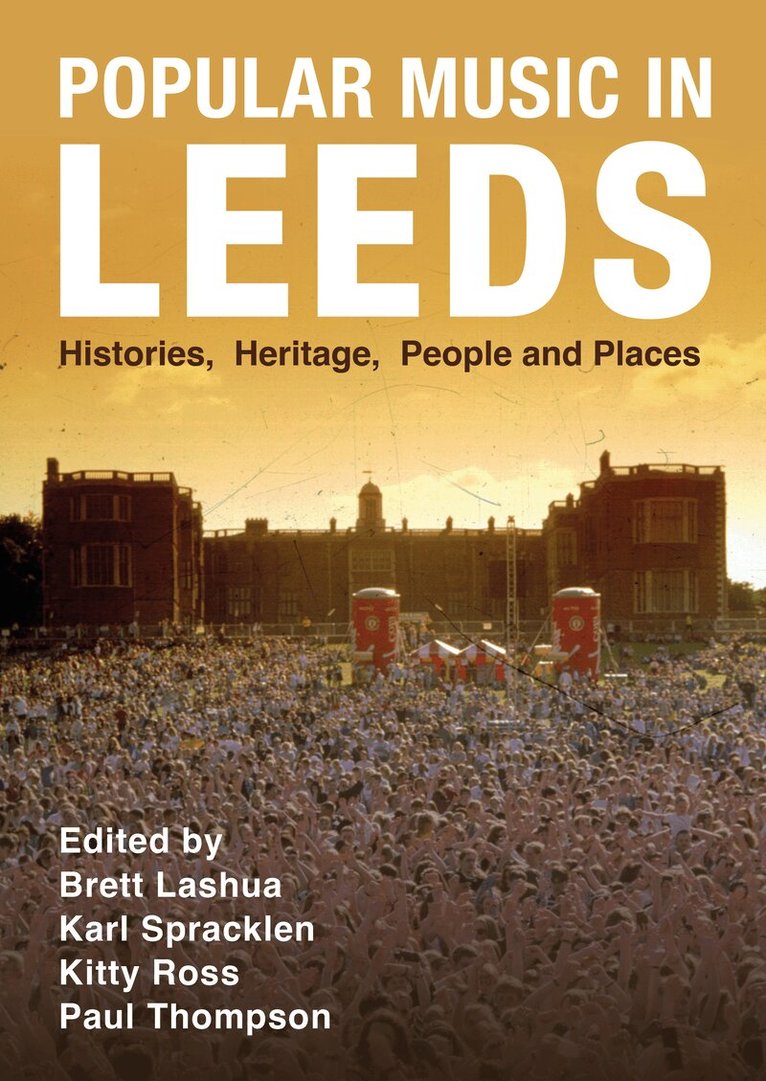
This first academic collection dedicated to popular music in Leeds - developed from the work of interdisciplinary scholars, drawn from a major public museum exhibition “Sounds of Our City” and built upon contemporary research. Leeds has rich musical histories and heritage, a long tradition of vibrant music venues, nightclubs, dance halls, pubs and other sites of musical entertainment. The city has spawned crooners, folk singers, punks, post- punks, Goths, DJs, popstars, rappers and indie rockers, yet – with a few exceptions - Leeds has not been studied for its scenes in ways that other UK cities have. In ways that the chapters explore, Leeds’ popular music exemplifies and informs understandings of broader cultural and urban changes – both in Britain and across wider global contexts – of the social and historical significance of music as mass media; music and migration; music, racialisation and social equity; industrial decline, de-industrialisation, neoliberalism and the rise of the 24-hour city. Charting moments of stark musical politicisation and de-politicisation, while concomitantly tracing arguments about “heritagising” popular music within discussions about music’s “place” in museums and in the urban economy, this book contributes to debates about why music matters, has mattered, and continues to matter in Leeds, and beyond.
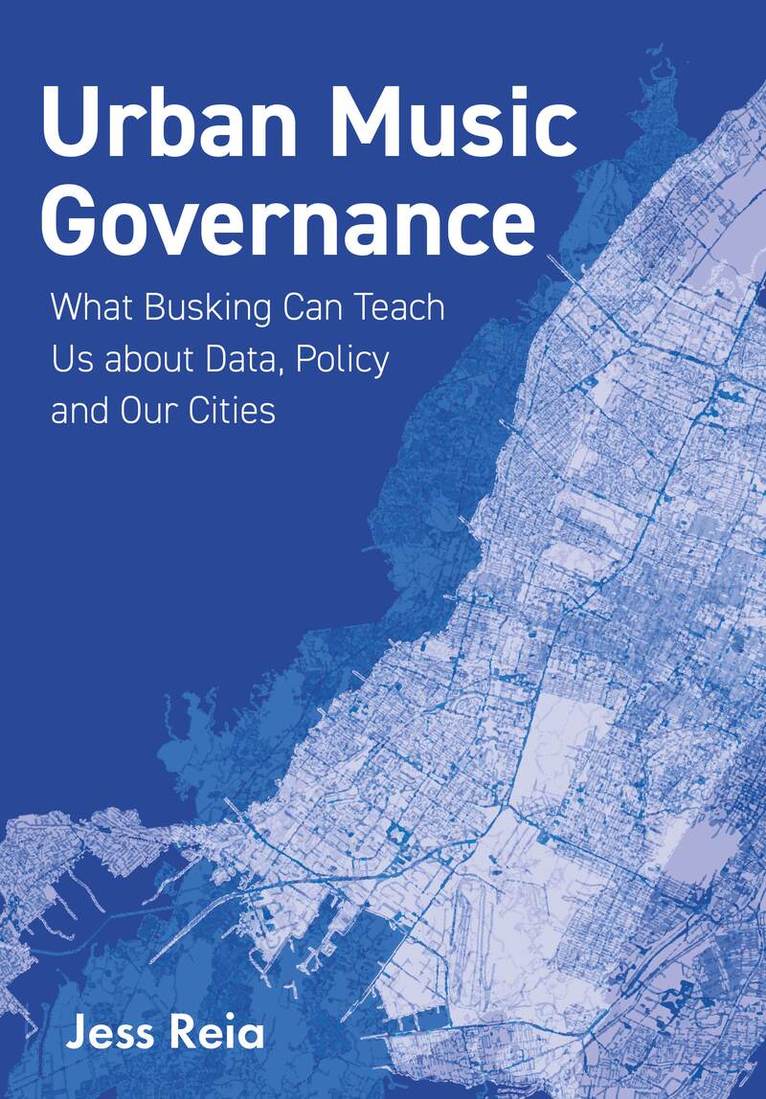
Urban Music Governance
What Busking Can Teach Us about Data, Policy and Our Cities
Inbunden, Engelska, 2025
1 450 kr
Skickas inom 5-8 vardagar
What happens when precarious urban cultural labourers take data collection, laws and policymaking into their own hands? Buskers have been part of our cities for hundreds of years, but they remain invisible to governments and in datasets. From nuisance to public art, this cultural practice can help us understand the politics of data collection, archives, regulatory frameworks and urban planning. Busking also responds to underlying questions on the boundaries of the right to the city – and who has a voice in shaping how our cities are planned and governed.A transnational exploration of street performance, Urban Music Governance examines the intricate limits of legality, data visibility and resistance from the perspective of those working at the social and regulatory margins of society. Based on a decade of fieldwork in Rio de Janeiro and Montreal, this book puts forward a lively account on why such an often-overlooked practice mattes today.By investigating the role of busking in contemporary society, Urban Music Governance presents an original interdisciplinary study that exposes how power dynamics in policymaking decide issues of access – and exclusion – around us, above and below ground.
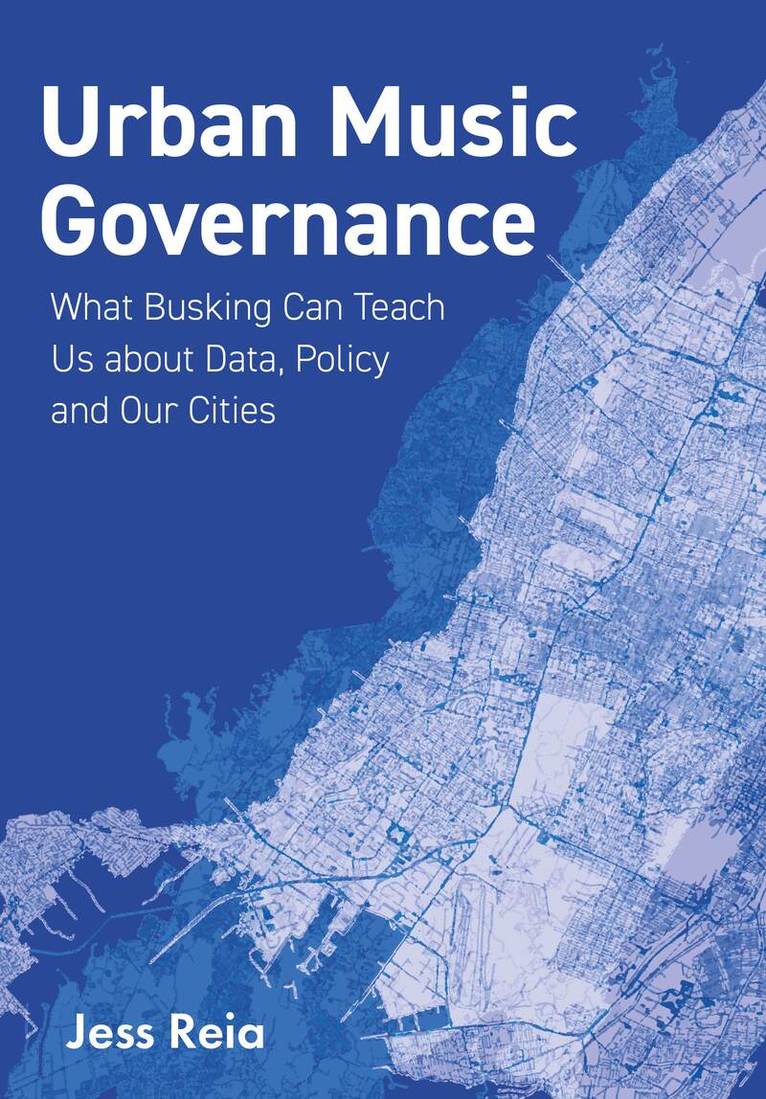
Urban Music Governance
What Busking Can Teach Us about Data, Policy and Our Cities
Häftad, Engelska, 2025
425 kr
Skickas
What happens when precarious urban cultural labourers take data collection, laws and policymaking into their own hands? Buskers have been part of our cities for hundreds of years, but they remain invisible to governments and in datasets. From nuisance to public art, this cultural practice can help us understand the politics of data collection, archives, regulatory frameworks and urban planning. Busking also responds to underlying questions on the boundaries of the right to the city – and who has a voice in shaping how our cities are planned and governed.A transnational exploration of street performance, Urban Music Governance examines the intricate limits of legality, data visibility and resistance from the perspective of those working at the social and regulatory margins of society. Based on a decade of fieldwork in Rio de Janeiro and Montreal, this book puts forward a lively account on why such an often-overlooked practice mattes today.By investigating the role of busking in contemporary society, Urban Music Governance presents an original interdisciplinary study that exposes how power dynamics in policymaking decide issues of access – and exclusion – around us, above and below ground.
1 663 kr
Kommande
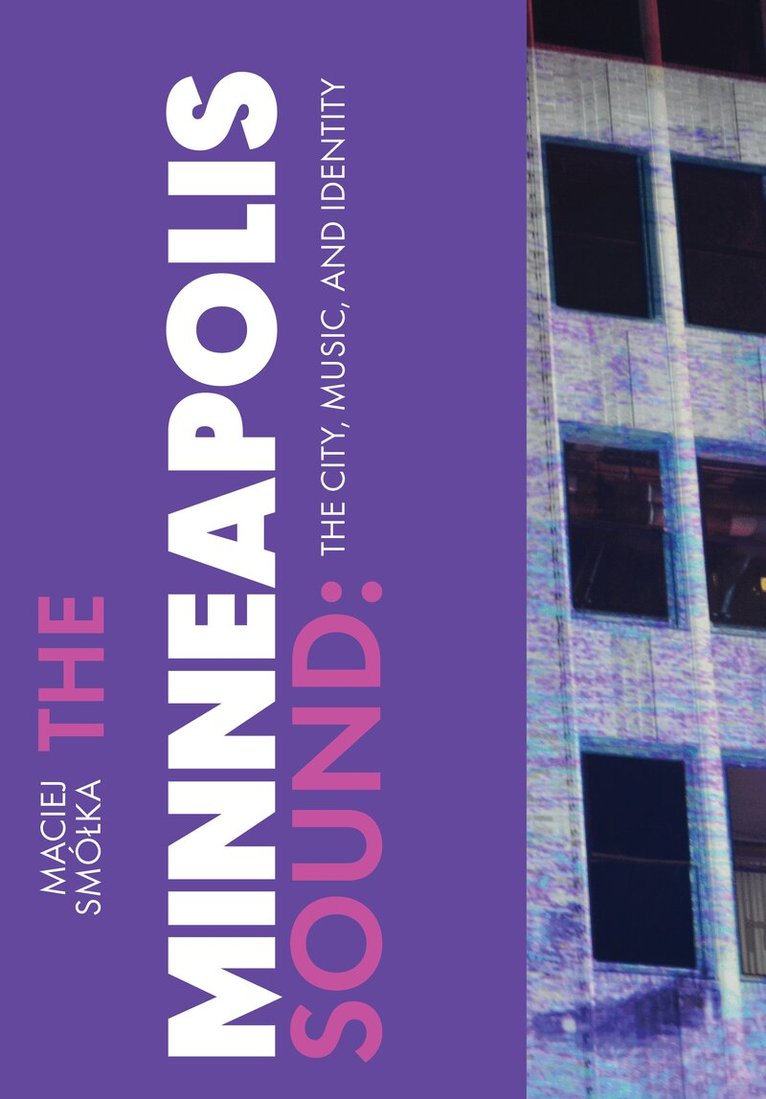
The Minneapolis Sound: The City, Music and Identity explores how a distinctive musical phenomenon shaped—and was shaped by—the urban, social, and cultural fabric of Minneapolis. Rather than focusing solely on Prince or his protégés, the book treats the Minneapolis Sound as a cultural phenomenon where geography, race, memory, and community intersect. Drawing from cultural geography, American studies, and popular music studies, The author analyzes how this locally rooted yet globally recognized sound became a symbol of place, pride, and identity.Combining critical discourse analysis with five in-depth interviews with key local voices—including artists, scholars, and historians—the study situates the Minneapolis Sound within broader debates on music and place. Divided into three interconnected parts (The City, Music, and Identity) it traces the city’s history and communities, the evolution of the Sound from its pre-Prince origins to the post-Prince era, and its ongoing cultural resonance in the wake of collective remembrance.By rethinking what it means for a city to have a ""sound,"" the book proposes a new framework for understanding how music functions as a cultural phenomenon: a dynamic web of artistic, social, and spatial practices that continue to define both Minneapolis and its people."