Violence in the Hispanic and Lusophone Worlds - Böcker
Visar alla böcker i serien Violence in the Hispanic and Lusophone Worlds. Handla med fri frakt och snabb leverans.
4 produkter
4 produkter
Del 2 - Violence in the Hispanic and Lusophone Worlds
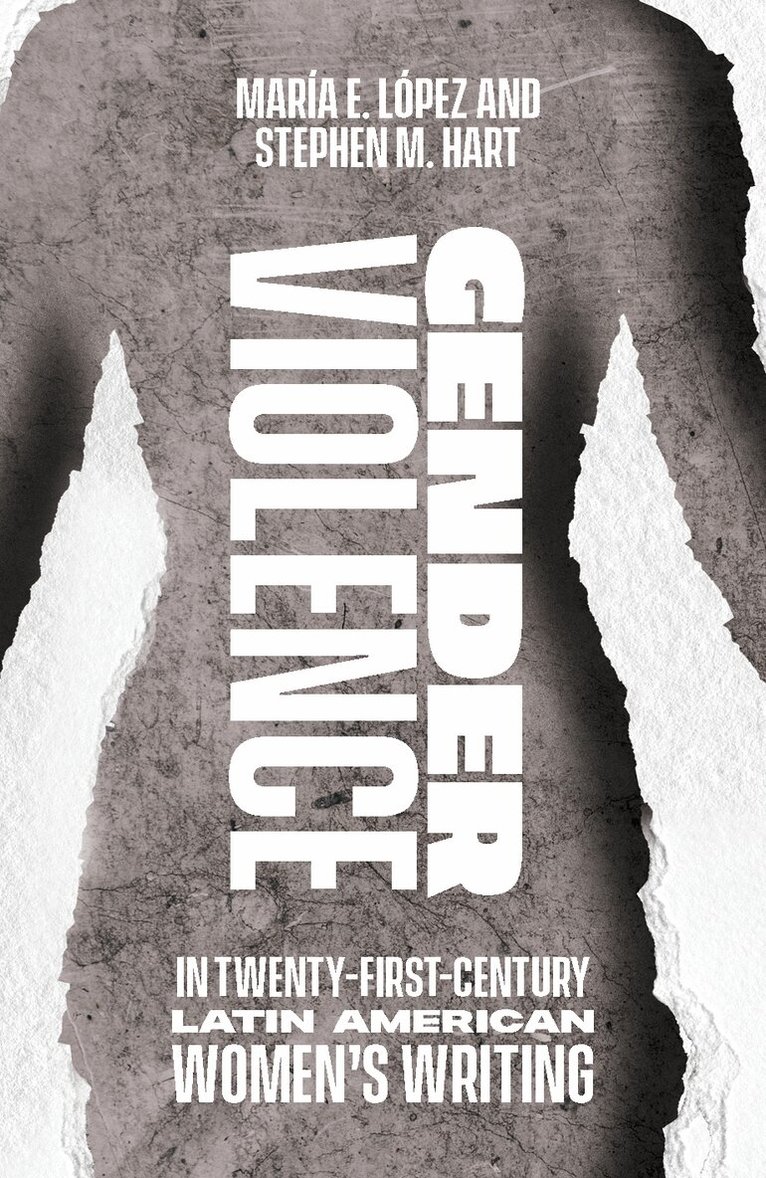
Gender Violence in Twenty-First-Century Latin American Women's Writing
Inbunden, Engelska, 2022
1 197 kr
Skickas inom 7-10 vardagar
How do contemporary female authors in Latin America tackle gender violence in their writings?This book analyses the portrayal of violence against women in the works of ten contemporary Latin American female authors: Alejandra Jaramillo Morales, Laura Restrepo, Ena Lucia Portela, Wendy Guerra, Selva Almada, Claudia Pineiro, Diamela Eltit, Carla Guelfenbein, Lydia Cacho and Fernanda Melchor. Governments in Latin America have routinely failed to protect women from abuse, threats, censorship, repressive policies on reproduction rights, forced displacement, sex trafficking, disappearances and femicides, and this book beats a new path through these burning issues by drawing on the knowledges encapsulated by sociology as much as the visions articulated by literature. Through an exploration of works published in the twenty-first century by women writers from Argentina, Chile, Colombia, Cuba and Mexico, this volume reconceptualises positions of privilege and power in the region and provides new readings about the meaning of gender, sexuality, violence and the female body in contemporary Latin America. The aim of this book is to raise awareness of the daily threat of violence against women in Latin America, underline the importance of the voice of Latin American women within that daily struggle, and encourage governments, organisations and institutions in Latin America and the Caribbean to take gender violence seriously and fight to secure peace and social equality for all women in the modern world.
Del 1 - Violence in the Hispanic and Lusophone Worlds
Security and Illegality in Cuba's Transition to Democracy
Inbunden, Engelska, 2021
822 kr
Skickas inom 7-10 vardagar
How can an environment be created in Cuba in which safety is not sacrificed for more open markets and politics?This book examines present security conditions in Cuba and forecasts the effects that economic and social liberalization could have on levels of criminality. For decades, Cuban citizens have enjoyed relatively good security, as a consequence of surveillance and tight political control by an authoritarian state. However, economic liberalization necessitated by the loss of Soviet support has resulted in illicit activities and increased criminality including drugs, contraband and human trafficking. Today, relatively good security and a stable political system coexist with widespread illegality. But as restrictions are eased, the average citizen is becoming less secure. Cuba's privileged geographical location, combined with economic scarcity, the remnants of the communist system and the local criminal organizations it created, also makes it vulnerable to more dangerous foreign criminal groups. Based on both quantitative and qualitative data including in-depth interviews with experts on Cuba and democratization and observational research in Cuba itself, the book seeks to identify the risks associated with liberalization and to explore workable solutions. More broadly, it aims to shed light on how the negative consequences of social and economic liberalization can be minimized for the average citizen during periods of political transition from authoritarian systems. How can an environment be created in which safety is not sacrificed for more open markets and politics?
Del 4 - Violence in the Hispanic and Lusophone Worlds
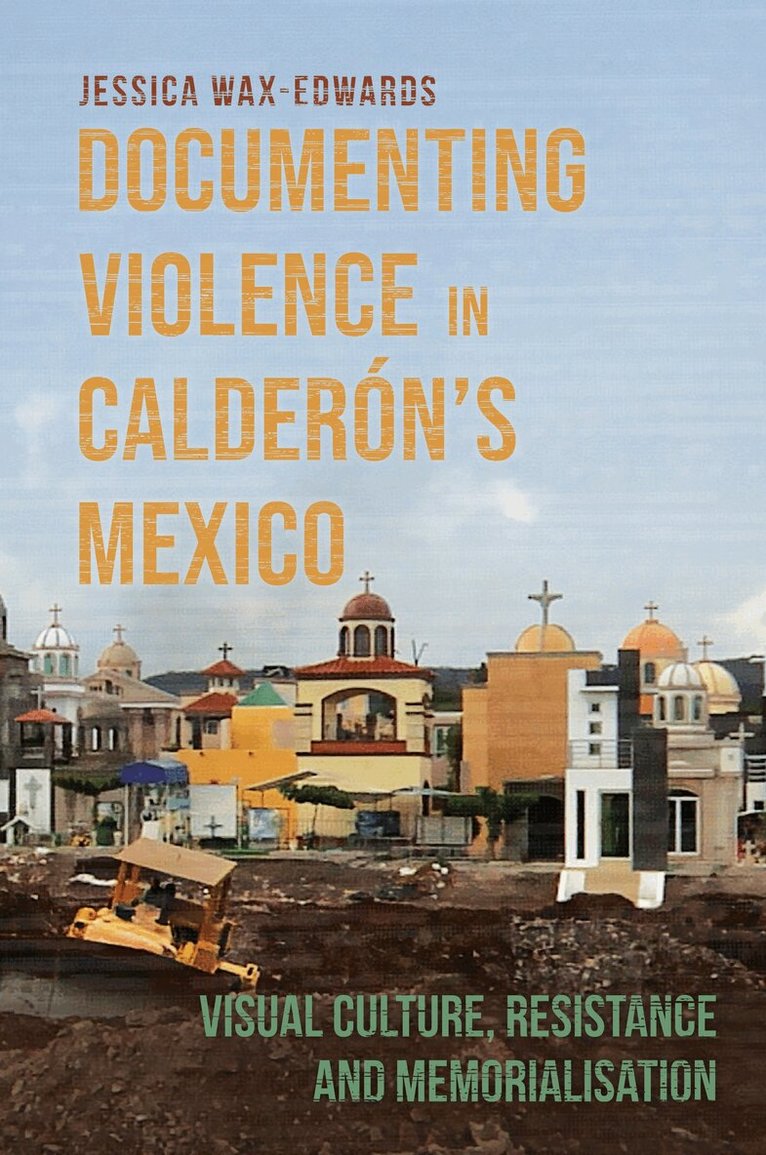
Documenting Violence in Calderón’s Mexico
Visual Culture, Resistance and Memorialisation
Inbunden, Engelska, 2023
1 072 kr
Skickas inom 7-10 vardagar
An analysis of how artists, filmmakers and affected citizens in Mexico attempted to navigate, articulate and contend with the unparalleled escalation in brutality during the presidency of Felipe Calderón (2006-2012).In Mexico, during the presidency of Felipe Calderón (2006-2012) and as a direct result of his 'war' on drugs, at least 60,000 people were killed, tens of thousands were 'disappeared' and countless more were subjected to kidnapping and sexual violence. This book analyses how artists and filmmakers, alongside affected citizens, attempted to navigate, articulate and contend with this unparalleled escalation in brutality.The texts studied here provide a critical visual archive of this first phase in the drug war and show how artists including Pedro Pardo, Fernando Brito, Mónica González and Natalia Almada attempted to challenge official narratives, foster emerging nodes of resistance and seek justice for citizens. Bringing together works of photography, photojournalism, documentary and short fiction cinema, the book argues for the vital role of cultural production in documenting institutional corruption, human rights abuses and narco-related violence in Mexican society and providing a space to grieve and remember the victims. As Mexico's socio-political landscape continues to deteriorate, the book shows how its visual cultural legacy provides a means of understanding and responding to the violence.
Del 3 - Violence in the Hispanic and Lusophone Worlds
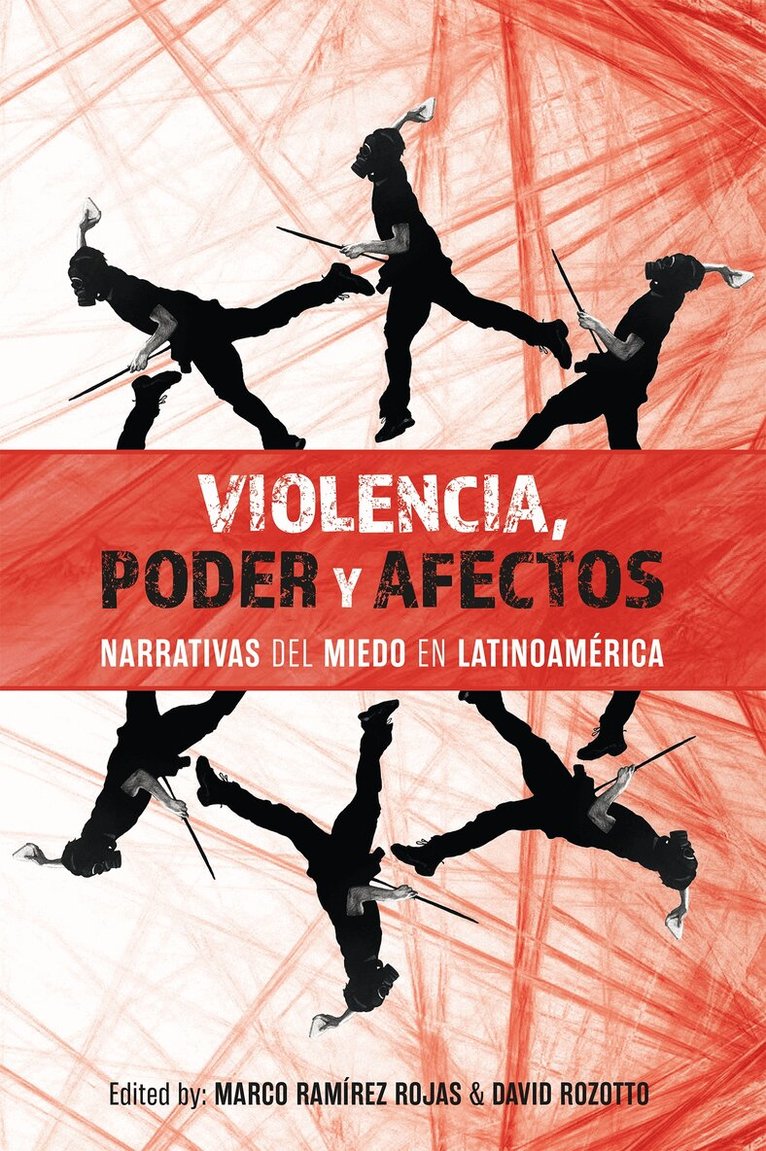
Violencia, poder y afectos
narrativas del miedo en Latinoamérica
Inbunden, Spanska, 2022
1 197 kr
Skickas inom 7-10 vardagar
How have sociopolitical fears been enacted, represented and performed in societies marked by repression, conflict and abuse of power? And how has this emotion shaped aesthetic and ideological discourses and cultural productions?Violencia, poder y afectos: narrativas del miedo en Latinoamérica ofrece una contribución crítica al estudio de las representaciones de los miedos sociopolíticos en la literatura y el cine contemporáneos. Este volumen estudia las consecuencias inmediatas y de larga duración de la violencia y el terror en las sociedades latinoamericanas desde varias perspectivas teóricas. Los capítulos del libro abordan dos preguntas centrales: ¿cómo se han asumido, asimilado y representado los diversos temores sociopolíticos que caracterizan a unas sociedades marcadas por el conflicto, la represión y el abuso de poder? y ¿cómo este afecto ha marcado los discursos estéticos e ideológicos de las producciones culturales? Mediante el estudio de las obras de escritores y productores culturales contemporáneos incluso Mónica Ojeda, Cristina Rivera Garza, Rodrigo Rey Rosa, Alonso Cueto y Manlio Argueta, los colaboradores de este libro examinan el clima de terror y ansiedad provocados por las guerras civiles en Guatemala, El Salvador y Perú; la guerra de las drogas en México; la invasión estadounidense a Panamá en 1989; así como las dinámicas de desigualdad de clase y género en Ecuador y México.Violencia, poder y afectos: narrativas del miedo en Latinoamérica offers a critical contribution to studies of the representation of socio-politically inflicted fears in contemporary literature and film. This volume looks at the immediate and long-lasting consequences of violence and terror in Latin American societies from a variety of theoretical perspectives. Chapters of the book engage with two central questions: How have sociopolitical fears been enacted, represented and performed in societies marked by repression, conflict and abuse of power? And how has this emotion shaped aesthetic and ideological discourses and cultural productions? Looking at contemporary writers and cultural producers including Mónica Ojeda, Cristina Rivera Garza, Rodrigo Rey Rosa, Alonso Cueto and Manlio Argueta, the contributors of this volume examine the climate of terror and anxiety resulting from the civil wars in Guatemala, El Salvador and Peru; the war on drugs in Mexico; the 1989 U.S. invasion of Panama; and dynamics of class and gender power imbalances in Ecuador and Mexico.