Visions of Africa – serie
Visar alla böcker i serien Visions of Africa. Handla med fri frakt och snabb leverans.
6 produkter
6 produkter
Inbunden, Engelska, 2019
361 kr
Skickas inom 7-10 vardagar
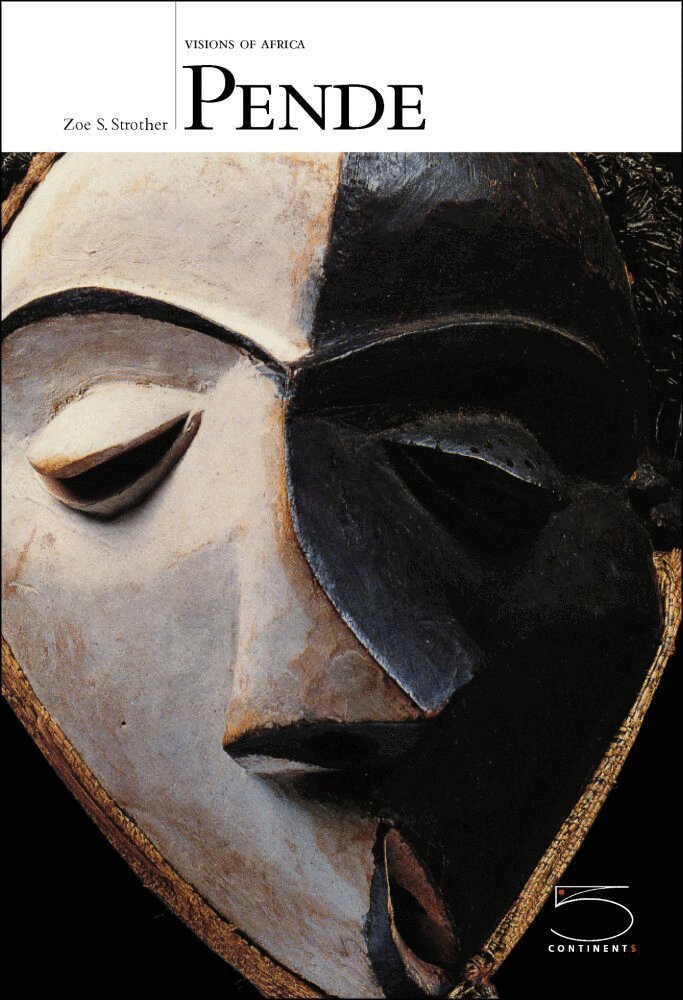
Although many societies in the Congo were once renowned for vibrant masquerades and architectural sculpture, these phenomena have only been studied as living traditions among a handful of peoples, most notably the Pende. Building on the extended fieldwork of numerous researchers since the 1950s, this text offers a unique window into the dynamic performance contexts of both masquerade and architecture in Central Africa. As much as possible, it privileges Pende voices and seeks to understand the inter-relationship between ritual practice and aesthetic form. Attentive to history, the text also shows these artistic practices have responded (sometimes unpredictably) to both colonial and post-colonial pressure. Lavish illustrations feature both iconic and hitherto unpublished masterworks, which have been selected to evoke the full range of Pende expression.
Häftad, Engelska, 2019
361 kr
Skickas inom 7-10 vardagar
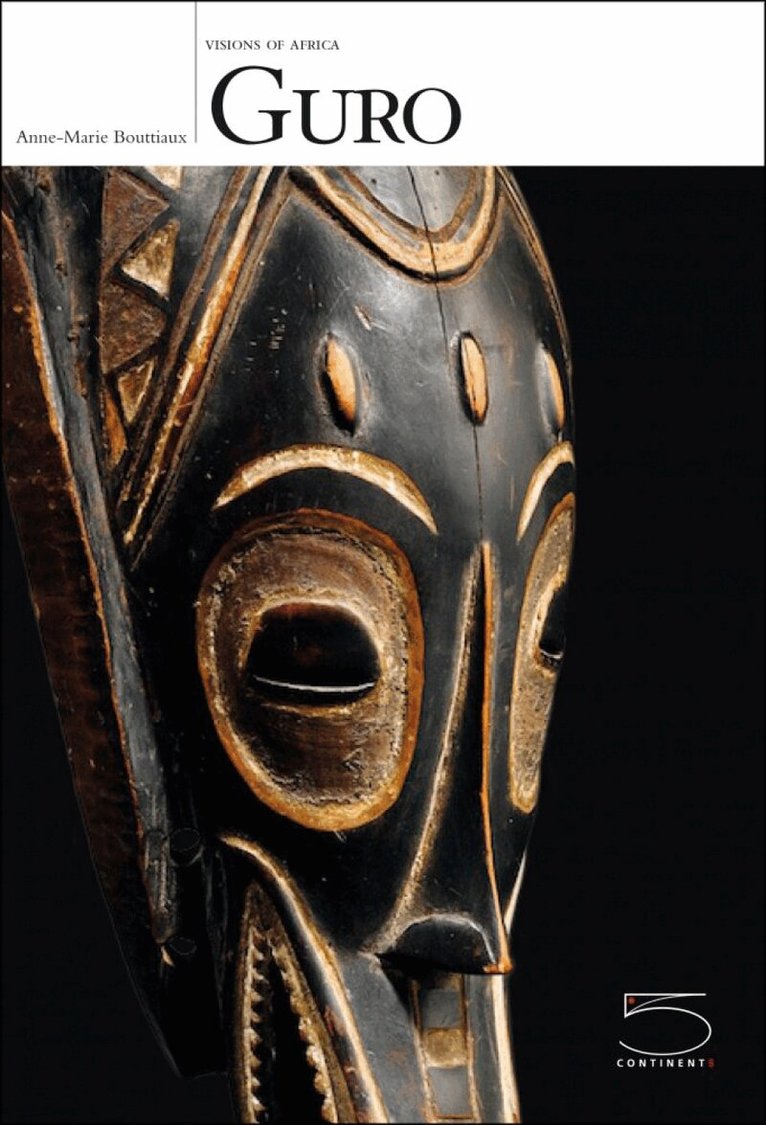
Art lovers well know the works of the different groups of peoples generally referred to as 'Guro' who live in the centre of the Ivory Coast. Close to the Wan, Baule, Yaure, and Bete, the Guro have maintained close contacts with their neighbours, and reciprocal influences are apparent in their various artistic creations. Masks have a particular importance that goes well beyond the value attributed to them for their aesthetic qualities on the art market. These objects might even be considered emblematic, having till now allowed those who have defined themselves as Guro to lay claim to this identity. Whereas the French colonisation largely weakened the prestige of those men whose power resulted from their hunting and war activities, the continuation of complex rituals that entailed the use of masks allowed the men to preserve a form of political and religious control. By diversifying the categories of masks between, on one hand, those that receive blood sacrifices to honour spiritual entities, and those, on the other hand, made more for entertainments given at funerals, political demonstrations, and tourist events, the Guro have reinvented, regalvanised, and readapted perfectly integrated rituals to a contemporary society in permanent change.
Häftad, Engelska, 2021
361 kr
Skickas
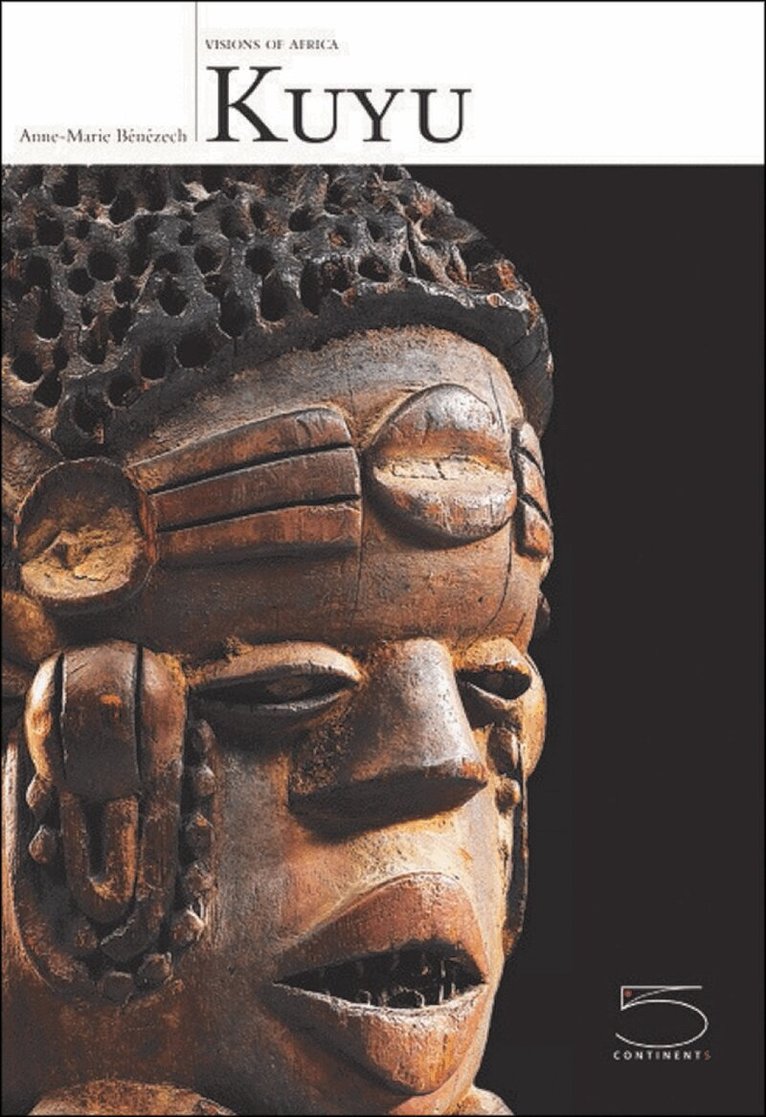
The Kuyu are an ethnic group who live in northern Congo-Brazzaville, on the banks of the River Congo, in a part of Equatorial Africa that has remained only marginally influenced by Moslem encroachment and Western colonialism. Kuyu art can be broadly broken down into three styles, the first two — of which there are the fewest examples — are strictly associated with the Kuyu ethnic group, while the third style, which has the largest sculptural component, includes both Kuyu and Mbochi pieces. Among these are a number of statuettes and especially wooden clubs topped with a human head (the most recent being polychrome), known as Kebe-Kebe, which were used in the dance by the same name. This ritual performance has remained faithful to its original function of giving physical expression to the Kuyu cosmogony.
Inbunden, Engelska, 2007
345 kr
Tillfälligt slut
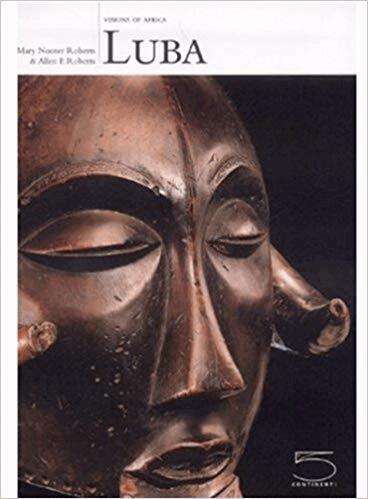
This image-filled book features outstanding works of Luba art from the Democratic Republic of Congo. Major themes to be addressed include the role of visual and performance arts in Luba traditional politics; the symbolism of the female image and why 'the king is a woman' for Luba; the instrumentality of royal insignia in politics, problem-solving, and healing; and the use of art objects in the creation and transmission of historical knowledge in both the Luba heartland and its peripheries. Case studies from the authors' long research among Luba, Tabwa, and related peoples of the Congo will illuminate the complex philosophical underpinnings of Luba thought and visual expression.
Inbunden, Engelska, 2019
374 kr
Tillfälligt slut
Häftad, Engelska, 2019
368 kr
Tillfälligt slut
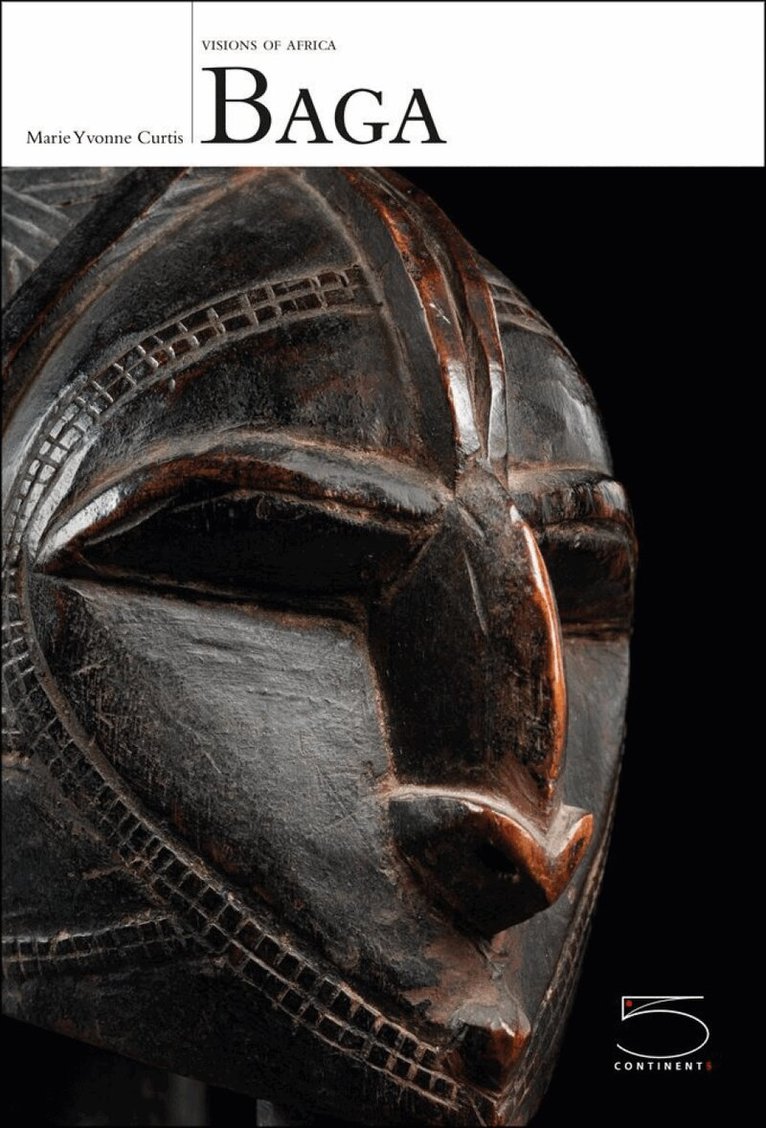
The Baga, along with the Nalu and the Landuma, are a small rice-growing community living along the coast of Guinea, in West Africa. They became famous following the discovery of their extraordinary sculptures by explorers, colonial administrators, ethnologists, collectors, and art dealers towards the end of the nineteenth century. Nowadays, the art of the Baga is admired in the public and private collections of northern European countries.Their works consist mainly of different types of wooden masks and statues of various sizes, as well as wonderful percussion instruments, chiefs' seats, and other skilfully carved utilitarian objects. All these sacred objects were once created and used as important features in their ritual behaviour based on the manifestation of their divinities, ancestor worship, rites of passage, secret brotherhoods, and the performance of important social ceremonies like weddings, funerals, and harvesting.But more recently they have also included entirely new sculpted works created by talented, highly skilled craftsmen who were influenced by colonisation and newly introduced religions, while at the same time finding inspiration in traditional myths and legends. Fascinating examples of this eclecticism are the figures of colonists depicted standing, on horseback, or riding birds, the many different kinds of female busts representing Mami Wata, the sea goddess, winged figures, bestiaries associated with tales and legends, and the personifications of the heroic founders of their villages.To this day, the young men of the Baga continue to make certain commemorative and emblematic objects, such as the large D'mba mask, and still produce sculptures connected with their history and culture. All these artefacts have their place in the dances and events that play such an important part in village life and in relations between villages and beyond.