What is this thing called Religion? - Böcker
Visar alla böcker i serien What is this thing called Religion?. Handla med fri frakt och snabb leverans.
10 produkter
10 produkter
2 096 kr
Skickas inom 10-15 vardagar
In October 2018, a white supremacist murdered eleven Jewish worshipers and wounded six others at the Tree of Life Synagogue in Pittsburgh, Pennsylvania, the deadliest attack on Jews ever perpetrated in the United States. The gunman’s motivation to kill Jews stemmed from his belief that Jews were committing "genocide" against white Americans. Although his animosity was motivated by a racial conception of Jews, the attack took place in a house of worship, illustrating the complex and interlocking web of anti-Jewish hatred based on race, ethnicity, nationality, religion, economic issues, and conspiracy theory that is commonly referred to as "antisemitism." What is Antisemitism? provides a detailed overview of this complex topic. It offers a history of anti-Jewish animosity from antiquity to the present; a discussion of the difficulties of defining antisemitism – arguably one of the most contentious issues in the contemporary discourse on the subject – and three case studies illustrating the diverse and wide-ranging nature of the phenomenon in the present-day, including examples from the political far right, the political hard left, and radical Islamism. With suggestions for further reading, and a chronological structure, this volume is an accessible and essential student textbook.
546 kr
Skickas inom 10-15 vardagar
In October 2018, a white supremacist murdered eleven Jewish worshipers and wounded six others at the Tree of Life Synagogue in Pittsburgh, Pennsylvania, the deadliest attack on Jews ever perpetrated in the United States. The gunman’s motivation to kill Jews stemmed from his belief that Jews were committing "genocide" against white Americans. Although his animosity was motivated by a racial conception of Jews, the attack took place in a house of worship, illustrating the complex and interlocking web of anti-Jewish hatred based on race, ethnicity, nationality, religion, economic issues, and conspiracy theory that is commonly referred to as "antisemitism." What is Antisemitism? provides a detailed overview of this complex topic. It offers a history of anti-Jewish animosity from antiquity to the present; a discussion of the difficulties of defining antisemitism – arguably one of the most contentious issues in the contemporary discourse on the subject – and three case studies illustrating the diverse and wide-ranging nature of the phenomenon in the present-day, including examples from the political far right, the political hard left, and radical Islamism. With suggestions for further reading, and a chronological structure, this volume is an accessible and essential student textbook.
588 kr
Kommande
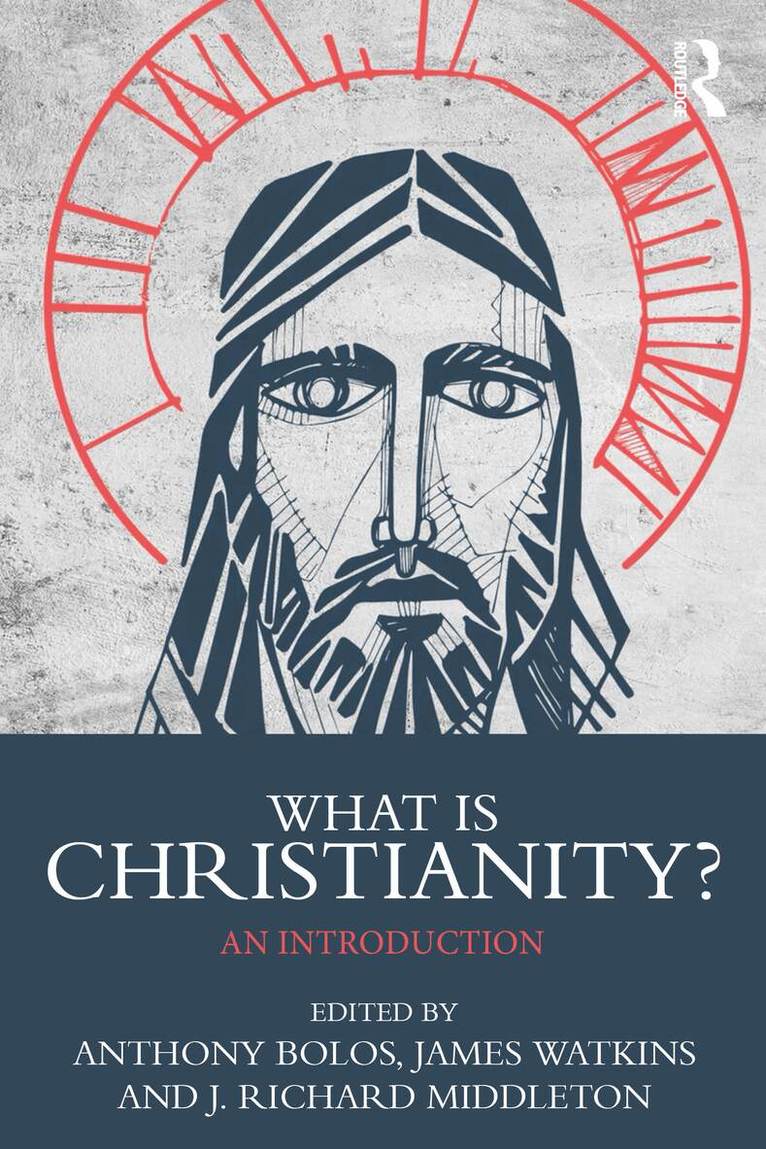
What is Christianity? brings to life the beliefs and story of Christianity. This textbook provides a thorough overview and critical assessment of core beliefs, their origin, and how adherents of the world's largest religion practice their faith. In this unique textbook, the following questions are answered from the perspectives of theologians, historians, biblical scholars, and philosophers:1 What are the central beliefs of Christianity?2 Where do these beliefs come from?3 What are the major challenges to Christian belief?4 How do these beliefs inform Christian practice?Each chapter includes summaries, introductory reading, advanced further reading, and suggested internet resources. In addition, every contributor provides a short video lecture that expands on the themes discussed in their chapter. Together, these materials make this volume an ideal resource for students beginning their study of Christianity and Christian Theology, as well as for readers seeking a deeper understanding of the Christian intellectual and spiritual tradition.
2 113 kr
Kommande
What is Christianity? brings to life the beliefs and story of Christianity. This textbook provides a thorough overview and critical assessment of core beliefs, their origin, and how adherents of the world's largest religion practice their faith. In this unique textbook, the following questions are answered from the perspectives of theologians, historians, biblical scholars, and philosophers:1 What are the central beliefs of Christianity?2 Where do these beliefs come from?3 What are the major challenges to Christian belief?4 How do these beliefs inform Christian practice?Each chapter includes summaries, introductory reading, advanced further reading, and suggested internet resources. In addition, every contributor provides a short video lecture that expands on the themes discussed in their chapter. Together, these materials make this volume an ideal resource for students beginning their study of Christianity and Christian Theology, as well as for readers seeking a deeper understanding of the Christian intellectual and spiritual tradition.
2 096 kr
Skickas inom 10-15 vardagar
This book is an engaging introduction to the complex religious tradition of Hinduism. Central to its focus is demonstrating the fundamental diversity within Hinduism through the multiplicity of its core beliefs and traditions.Chapters are divided into four historical categories – Vedic, Ascetic, Classical, and Contemporary Hinduism – with each examining one deity alongside one key term, serving as a twin focal point for a more complex discussion of related key texts, ideas, social structures, religious practices, festivals, and concepts such as ritual and sacrifice, music and devotion, and engagement and renunciation. The organization of this book requires that we see deities as not simply divine individuals who preside over one part of the Hindu world, but that each deity operates as a larger cultural category whose related persons, concepts, and practices provide a vivid lens through which Hindu devotees see and continue to readapt to the world in which they live.With study questions, glossaries, and lists of key contemporary figures, this book is an essential and comprehensive resource for students encountering the multiplicity of Hinduism for the first time.
546 kr
Skickas inom 10-15 vardagar
This book is an engaging introduction to the complex religious tradition of Hinduism. Central to its focus is demonstrating the fundamental diversity within Hinduism through the multiplicity of its core beliefs and traditions.Chapters are divided into four historical categories – Vedic, Ascetic, Classical, and Contemporary Hinduism – with each examining one deity alongside one key term, serving as a twin focal point for a more complex discussion of related key texts, ideas, social structures, religious practices, festivals, and concepts such as ritual and sacrifice, music and devotion, and engagement and renunciation. The organization of this book requires that we see deities as not simply divine individuals who preside over one part of the Hindu world, but that each deity operates as a larger cultural category whose related persons, concepts, and practices provide a vivid lens through which Hindu devotees see and continue to readapt to the world in which they live.With study questions, glossaries, and lists of key contemporary figures, this book is an essential and comprehensive resource for students encountering the multiplicity of Hinduism for the first time.
1 759 kr
Skickas inom 10-15 vardagar
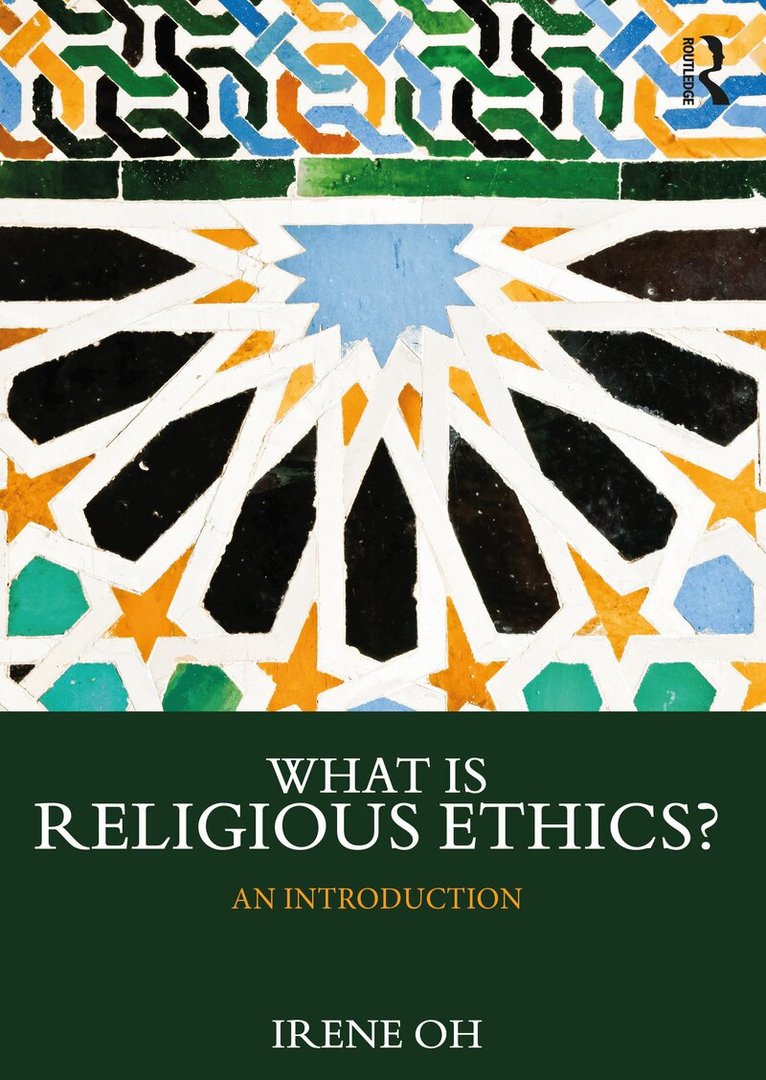
What is Religious Ethics? An Introduction is an accessible and informative overview to major themes and methods in religious ethics. This concise and lively book demonstrates the relevance and importance of ethics based in religious traditions and describes how scholars of religious ethics think through moral problems. Combining an issues-based approach with a model of studying ethics religion-by-religion, this volume examines pressing topics through a variety of belief systems—Hinduism, Buddhism, Jainism, Judaism, Christianity, Islam, and Sikhism—while also importantly spotlighting Indigenous communities. Engaging case studies invite readers to consider the role of religions with regard to issues such as: CRISPR Vegetarianism Nuclear weapons Women’s leadership Reparations for slaveryWhat is Religious Ethics? is a reliable and easily digestible introduction to the field. With chronologically structured chapters, discussion questions, suggestions for further reading, and interviews with scholars of religious ethics, this is an ideal guide to those approaching the study of religious ethics for the first time.
465 kr
Skickas inom 10-15 vardagar
What is Religious Ethics? An Introduction is an accessible and informative overview to major themes and methods in religious ethics. This concise and lively book demonstrates the relevance and importance of ethics based in religious traditions and describes how scholars of religious ethics think through moral problems. Combining an issues-based approach with a model of studying ethics religion-by-religion, this volume examines pressing topics through a variety of belief systems—Hinduism, Buddhism, Jainism, Judaism, Christianity, Islam, and Sikhism—while also importantly spotlighting Indigenous communities. Engaging case studies invite readers to consider the role of religions with regard to issues such as: CRISPR Vegetarianism Nuclear weapons Women’s leadership Reparations for slaveryWhat is Religious Ethics? is a reliable and easily digestible introduction to the field. With chronologically structured chapters, discussion questions, suggestions for further reading, and interviews with scholars of religious ethics, this is an ideal guide to those approaching the study of religious ethics for the first time.
1 759 kr
Skickas inom 10-15 vardagar
What is Mormonism? A Student’s Introduction is an easy-to-read and informative overview of the religion founded by Joseph Smith in 1830. This short and lively book covers Mormonism’s history, core beliefs, rituals, and devotional practices, as well as the impact on the daily lives of its followers. The book focuses on the Church of Jesus Christ of Latter-day Saints, the Salt Lake City-based church that is the largest and best-known expression of Mormonism, whilst also exploring lesser known churches that claim descent from Smith’s original revelations. Designed for undergraduate religious studies and history students, What is Mormonism? provides a reliable and easily digestible introduction to a steadily growing religion that continues to befuddle even learned observers of American religion and culture.
560 kr
Skickas inom 10-15 vardagar
What is Mormonism? A Student’s Introduction is an easy-to-read and informative overview of the religion founded by Joseph Smith in 1830. This short and lively book covers Mormonism’s history, core beliefs, rituals, and devotional practices, as well as the impact on the daily lives of its followers. The book focuses on the Church of Jesus Christ of Latter-day Saints, the Salt Lake City-based church that is the largest and best-known expression of Mormonism, whilst also exploring lesser known churches that claim descent from Smith’s original revelations. Designed for undergraduate religious studies and history students, What is Mormonism? provides a reliable and easily digestible introduction to a steadily growing religion that continues to befuddle even learned observers of American religion and culture.