What Radiology Residents Need to Know – serie
Visar alla böcker i serien What Radiology Residents Need to Know. Handla med fri frakt och snabb leverans.
5 produkter
5 produkter
Häftad, Engelska, 2019
836 kr
Skickas inom 10-15 vardagar
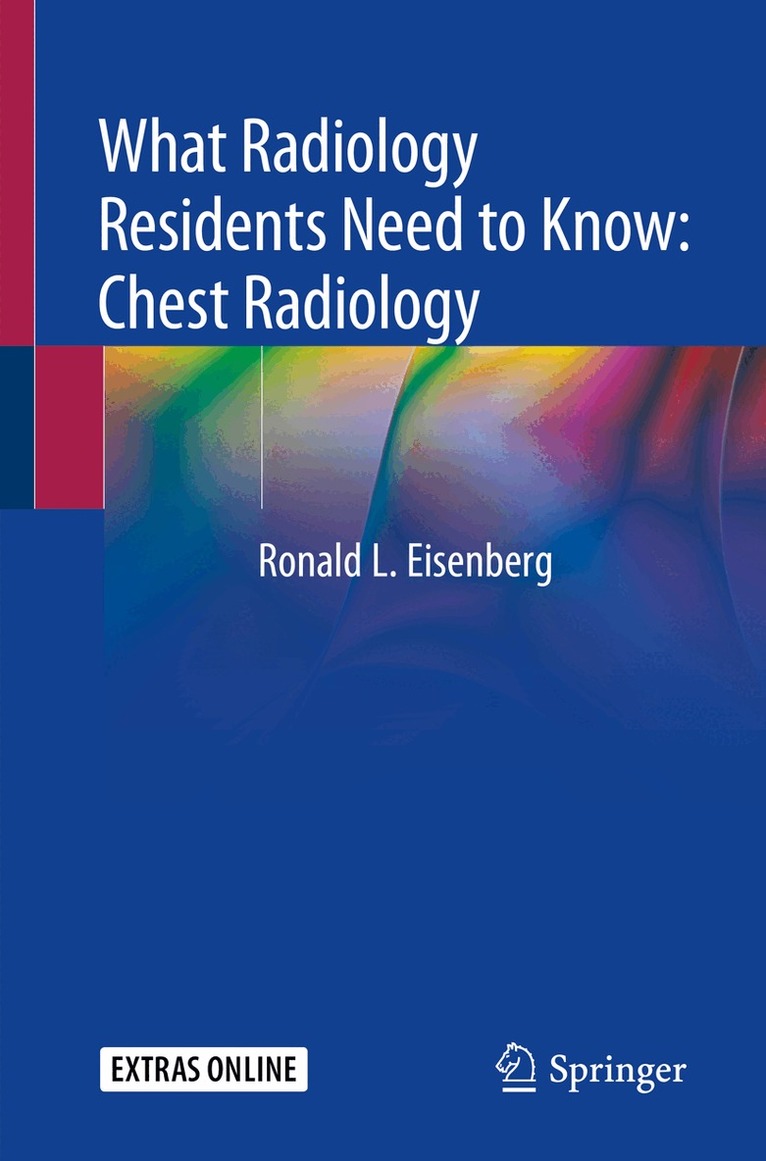
This book is an introduction to chest radiology, specifically designed for the needs of first-year residents. On the first rotation in chest imaging, radiology residents are asked to learn significant amounts of information at a fast and unrelenting pace. However, most current books are densely written and contain far more material than residents need to know. Moreover, the number, variety, and quality of images is often limited. What Radiology Residents Need to Know: Chest Radiology answers these needs by presenting the important information in bullet fashion, divided into convenient sub-units, such as “clinical information,” “imaging findings,” and “management.” In most cases, an individual pathological condition can be presented in one page or less. This book covers such topics as volume loss, pneumonia, pulmonary edema, inhalation diseases, and pulmonary, mediastinal, and pleural tumor imaging. In addition, it contains tips on approaching andinterpreting chest radiographs and CT based on decades of practical experience and teaching residents at the work station. With liberal use of illustrations in the text and an online bank of many more high-quality images, this book gives readers a comprehensive library of chest imaging scans and serves as an ideal guide for radiology residents.
Häftad, Engelska, 2022
725 kr
Skickas inom 10-15 vardagar
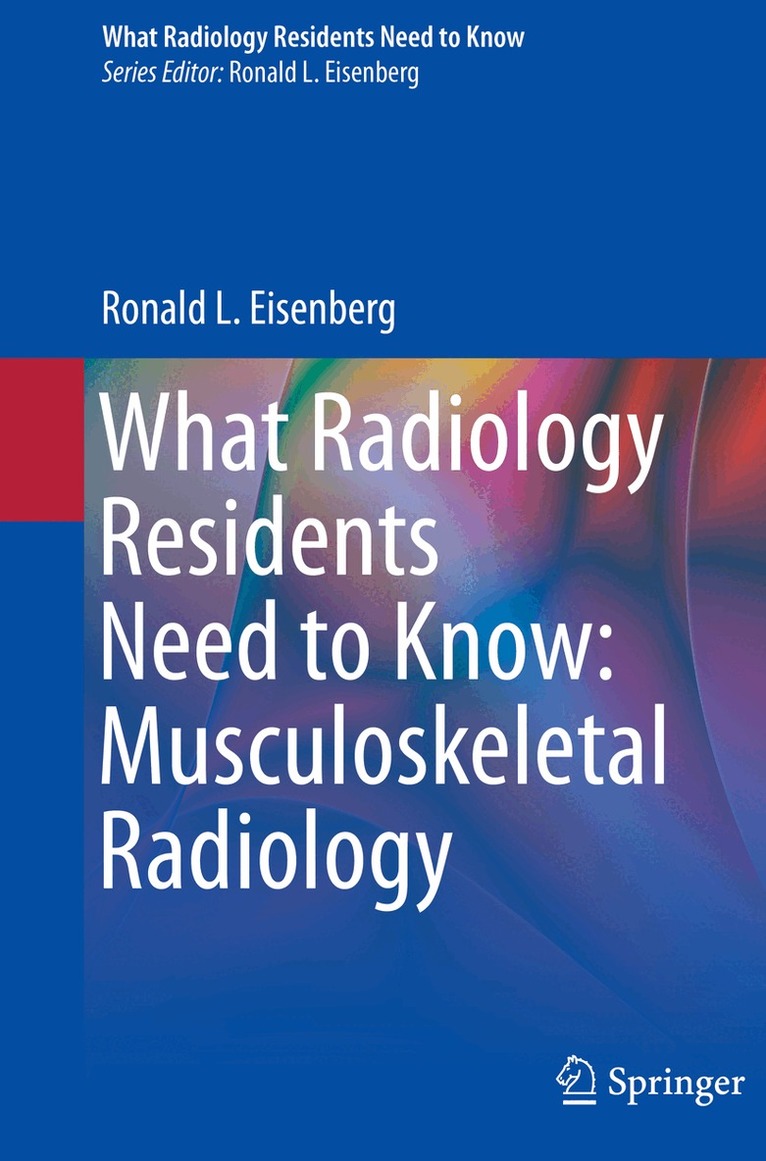
This book is an introduction to musculoskeletal radiology, specifically designed for the needs of first-year residents. On the first rotation in musculoskeletal imaging, radiology residents are asked to learn significant amounts of information at a fast and unrelenting pace. However, most current books are densely written and contain far more material than residents need to know. Moreover, the number, variety and quality of images is often limited.What Radiology Residents Need to Know: Musculoskeletal Radiology answers these needs by presenting the important information in bullet fashion, divided into convenient sub-units, such as “clinical information,” “imaging findings,” and “management.” In most cases, an individual pathological condition can be presented in one page or less. In addition, it contains tips on approaching and interpreting radiographs, MRI and CT based on decades of practical experience and teaching residents at the work station.With liberal use of illustrations in the text and an online bank of many more high-quality images, this book gives readers a comprehensive library of musculoskeletal imaging scans and serves as an ideal guide for radiology residents.
Häftad, Engelska, 2024
670 kr
Skickas inom 10-15 vardagar
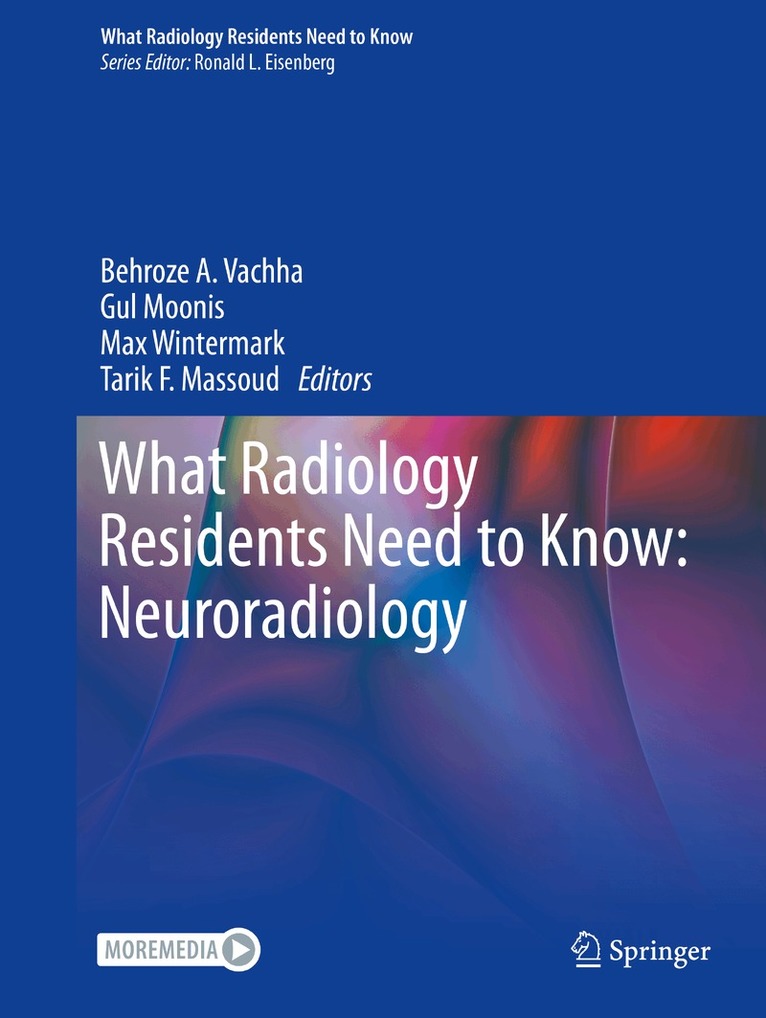
This book is an introduction to neuroradiology, specifically designed for the needs of first-year residents. Currently available textbooks, while excellent reference books, provide far too much material than is needed for radiology residents, particularly those on first-year rotations. This book covers information important both from a practical standpoint and for later board preparation in a short and simple format.The book is divided into three main sections: Brain, Spine, and Head and Neck. Using an easy-to-read bulleted format, this book covers all the necessary material for a first year resident and high-yield, often-tested topics, making it additionally a useful study guide for board preparation later in residency. In addition, it provides valuable tips on how to approach and interpret CT and MRIs of the brain, spine and head and neck. Additional included coverage makes it useful in later rotations of more specialized areas like the eyes and temporal bone structures.Key topics include neuroimaging structural and functional anatomy, neurodegenerative disorders, and facial and skull base fracture imaging. Like other books in this series, a critical component of What Radiology Residents Need to Know: Neuroradiology will be the additional images found online only. These images amount to twice the number in the print and e-book versions to fully illustrate points made in the text.This is an ideal guide for first year radiology residency learning neuroradiology.
Häftad, Engelska, 2025
780 kr
Skickas inom 10-15 vardagar
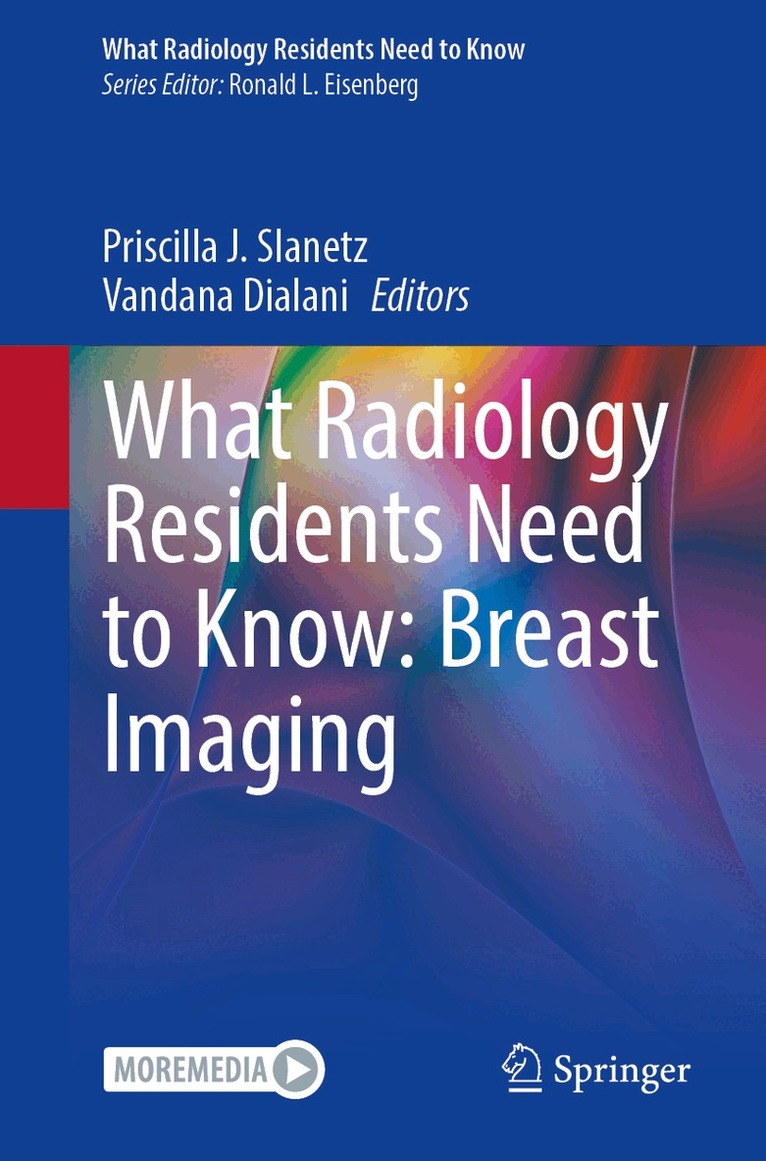
This book is an introduction to breast imaging, specifically designed for the needs of first through third year residents. While rotating through breast imaging, radiology residents are asked to learn significant amounts of information at a fast and unrelenting pace. However, most current books are densely written and contain far more material than residents need to know. Moreover, the number, variety and quality of images is often limited.What Radiology Residents Need to Know: Breast Imaging answers these needs by presenting the important information in bullet fashion, divided into convenient sub-units, such as “clinical information,” “imaging findings” and “management.” This book covers such topics as breast cancer, benign breast disease, image-guided interventions, pregnant and lactating patients, transgender patients, and male breast disease. In addition, it contains tips on approaching and interpreting mammography, breast ultrasound, and breast MRI studies based on decades of practical experience and teaching residents at the work station as well as a list of common differentials.With liberal use of illustrations in the text and an online bank of many more high-quality images, this book gives readers a comprehensive library of breast imaging scans and serves as an ideal guide for radiology residents.
Häftad, Engelska, 2025
1 112 kr
Skickas inom 10-15 vardagar
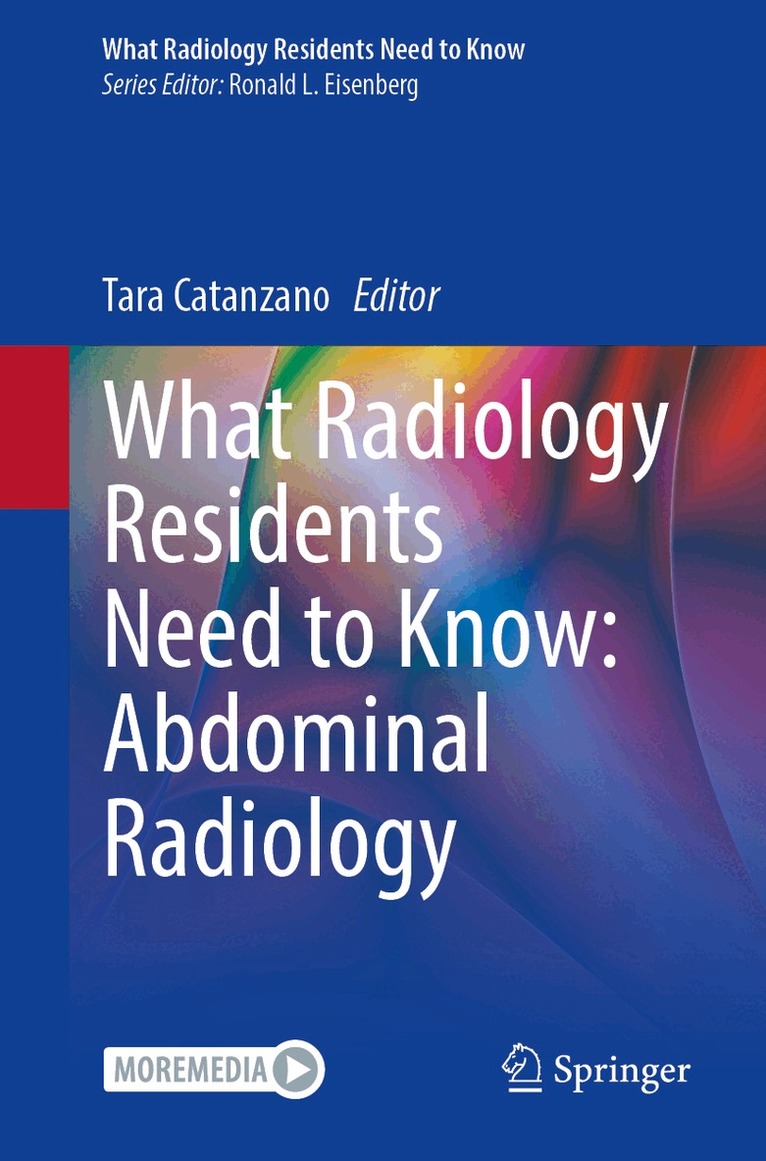
This book provides first year radiology residents an easy to digest, image rich book with key information necessary to learn and succeed on their first abdominal rotations. Current generation learners prefer just in time learning of high impact material, presented in small, quick to assimilate formats. This book is not intended to provide an exhaustive overview of abdominal pathology; rather, it serves to provide foundational knowledge and approaches to imaging of common diseases. Each chapter focuses on an organ system and covers commonly encountered diseases or disorders. Each topic discusses the imaging findings on different imaging modalities, allowing the leaner to see how the same disease process will appear on each modality. This is of benefit even if the trainee has not yet rotated through that modality as it will allow them to build knowledge that can then be more critically applied as they reread the information on that disorder when they rotate on thatmodality. This is an ideal guide for all first-year radiology residents.