Women and Minorities in Politics – serie
Visar alla böcker i serien Women and Minorities in Politics. Handla med fri frakt och snabb leverans.
5 produkter
5 produkter
Inbunden, Engelska, 2007
895 kr
Skickas inom 10-15 vardagar
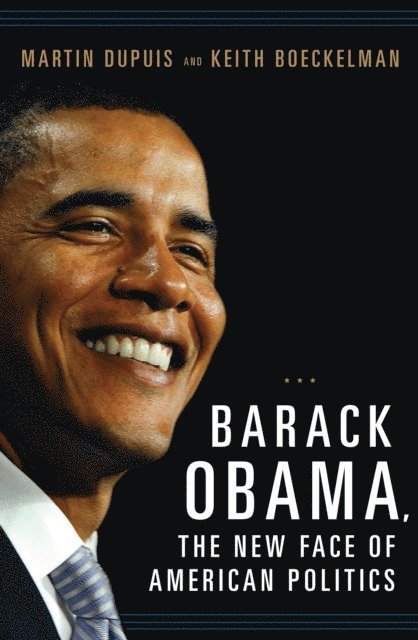
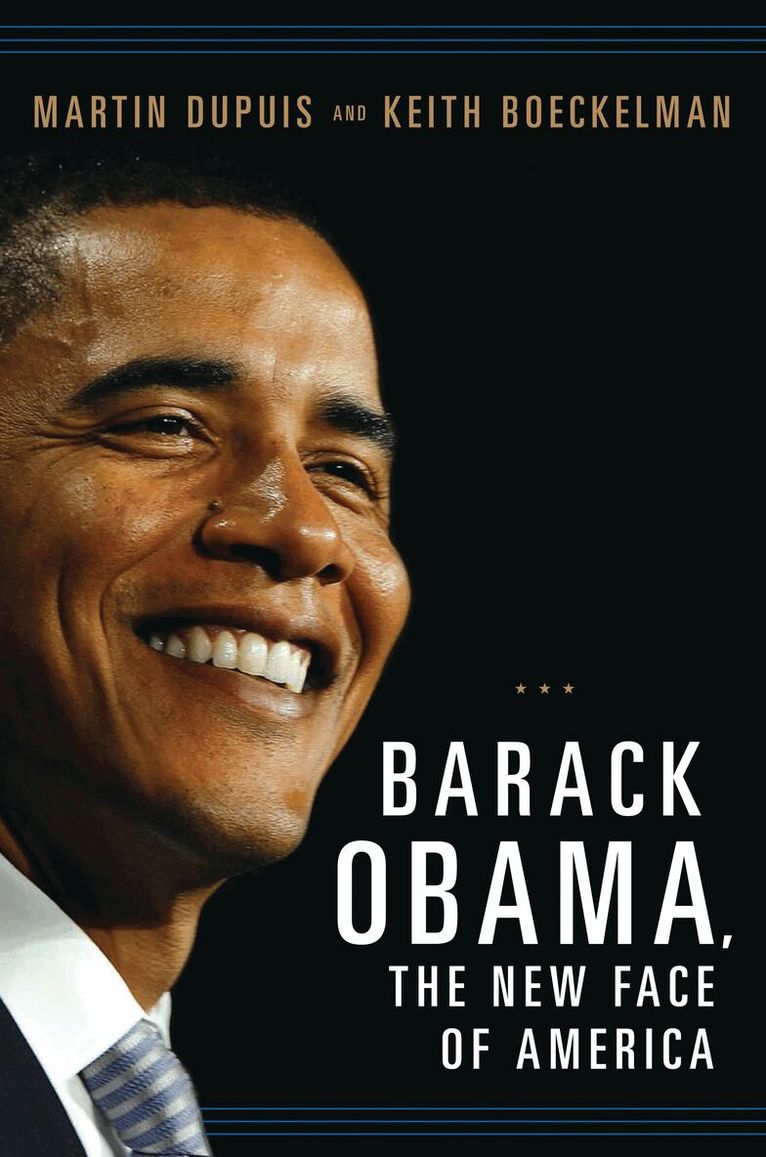
Barack Obama's election to the U.S. Senate in 2004 is one of the most interesting and colorful political campaigns in recent history. His rousing keynote address at the Democratic National Convention that same year made his name a household word. The Obama for Illinois crusade offers important insights into American politics. The authors explore the role of money, political party, ethnicity, religion, and the issues facing our society today. Obama's straightforward policy recommendations, message of hope and inclusion, and charismatic style propelled him to the national spotlight. Obama has the potential to shape America and to reshape U.S. politics as he campaigns for the White House.Obama's state senate career and his decision to enter the U.S. Senate race are examined in this book. Despite a primary field of six competitors, Obama received more than half of the Democratic vote, defeating a multimillionaire and the state comptroller, a well-known figure in the Democratic Party. The general election imploded for the Republicans in the first few weeks of the campaign when it was revealed that their candidate was embroiled in a sex scandal. Alan Keyes, the ultraconservative, outspoken African American who had run for president twice and for the U.S. Senate from Maryland, was recruited to challenge Obama. But Obama, whose skill with the media and whose ability to raise funds was evident even in those early days of his career, easily won the race with 70 percent of the vote. The authors analyze Obama's ability to speak to the concerns of multiple constituencies by appealing to a coalition of voters that transcends race, class, and gender. At the start of his presidential run, Obama gives new meaning to the American dream.
E-bok
PDF, Engelska, 2007908 kr
Läs direkt efter köp
Barack Obama's election to the U.S. Senate in 2004 is one of the most interesting and colorful political campaigns in recent history. His rousing keynote address at the Democratic National Convention that same year made his name a household word. The Obama for Illinois crusade offers important insights into American politics. The authors explore the role of money, political party, ethnicity, religion, and the issues facing our society today. Obama's straightforward policy recommendations, message of hope and inclusion, and charismatic style propelled him to the national spotlight. Obama has the potential to shape America and to reshape U.S. politics as he campaigns for the White House.Obama's state senate career and his decision to enter the U.S. Senate race are examined in this book. Despite a primary field of six competitors, Obama received more than half of the Democratic vote, defeating a multimillionaire and the state comptroller, a well-known figure in the Democratic Party. The general election imploded for the Republicans in the first few weeks of the campaign when it was revealed that their candidate was embroiled in a sex scandal. Alan Keyes, the ultraconservative, outspoken African American who had run for president twice and for the U.S. Senate from Maryland, was recruited to challenge Obama. But Obama, whose skill with the media and whose ability to raise funds was evident even in those early days of his career, easily won the race with 70 percent of the vote. The authors analyze Obama's ability to speak to the concerns of multiple constituencies by appealing to a coalition of voters that transcends race, class, and gender. At the start of his presidential run, Obama gives new meaning to the American dream.
Häftad, Engelska, 2009
300 kr
Skickas inom 10-15 vardagar
The roots of President Obama's politics and presidential campaign strategy are traced in this up-to-the-minute political biography. The work chronicles his career from his successful run in 1996 to represent Chicago's South Side in the Illinois Senate to his failed challenge in 2000 to the South Side's incumbent in the U.S. House to this partial term as the junior U.S. senator from Illinois beginning in 2004 and finally to his landslide election to the U.S. presidency in 2008. Dupuis and Boeckelman analyze in illuminating detail the critical ways in which the political calculus so brilliantly deployed in Obama's 2007-2008 national campaign was shaped by the lessons he learned from the successes and failures of his previous local and statewide campaigns. This paperback edition is updated and enhanced with post-election analysis, appendices, and photos.
E-bok
PDF, Engelska, 2010681 kr
Läs direkt efter köp
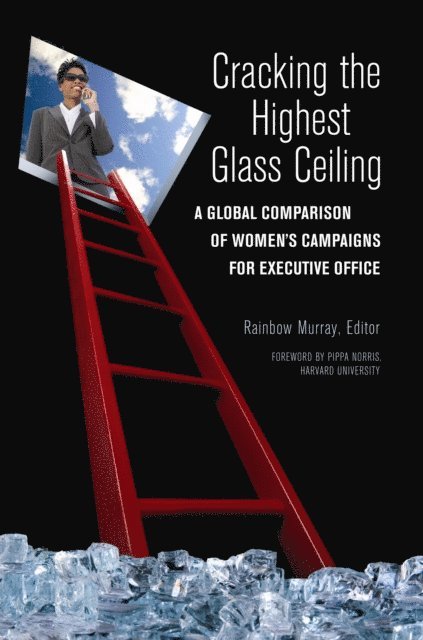
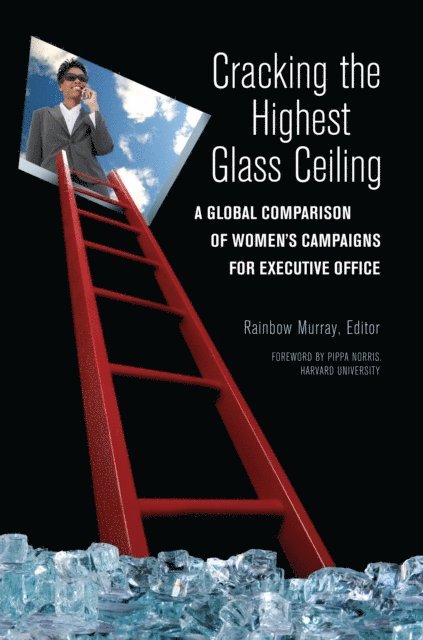
This examination of the role of gender stereotyping in media coverage of executive elections uses nine case studies from around the world to provide a unique comparative perspective.In recent years, more and more high-profile women candidates have been running for executive office in democracies all around the world. Cracking the Highest Glass Ceiling: A Global Comparison of Women's Campaigns for Executive Office is the first study to undertake an international comparison of women's campaigns for highest office and to identify the commonalities among them. For example, women candidates often begin as front-runners as the idea of a woman president captures the public imagination, followed by a decline in popularity as stereotypes and gendered media coverage kick in to erode the woman's perceived credibility as a national leader. On the basis of nine international case studies of recent campaigns written by thirteen country specialists, the volume develops an overarching framework which explores how gender stereotypes shape the course and outcome of women's campaigns in the male-dominated worlds of executive elections in North America, South America, Europe, Africa, and Australasia. This comparative approach allows the authors to discriminate between the contingent effects of a particular candidate or national culture and the universal operation of gender stereotyping. Case studies include the campaigns for executive office of Hillary Rodham Clinton (United States, 2008), Sarah Palin (United States, 2008), Angela Merkel (Germany, 2005 and 2009), Ségolène Royal (France, 2007), Helen Clark (New Zealand, 1996-2008), Cristina Fernández de Kirchner (Argentina, 2007), Michelle Bachelet (Chile, 2006), Ellen Johnson Sirleaf (Liberia, 2005), and Irene Sáez (Venezuela, 1998).
E-bok
Engelska, 2010681 kr
Läs direkt efter köp
This examination of the role of gender stereotyping in media coverage of executive elections uses nine case studies from around the world to provide a unique comparative perspective.In recent years, more and more high-profile women candidates have been running for executive office in democracies all around the world. Cracking the Highest Glass Ceiling: A Global Comparison of Women's Campaigns for Executive Office is the first study to undertake an international comparison of women's campaigns for highest office and to identify the commonalities among them. For example, women candidates often begin as front-runners as the idea of a woman president captures the public imagination, followed by a decline in popularity as stereotypes and gendered media coverage kick in to erode the woman's perceived credibility as a national leader. On the basis of nine international case studies of recent campaigns written by thirteen country specialists, the volume develops an overarching framework which explores how gender stereotypes shape the course and outcome of women's campaigns in the male-dominated worlds of executive elections in North America, South America, Europe, Africa, and Australasia. This comparative approach allows the authors to discriminate between the contingent effects of a particular candidate or national culture and the universal operation of gender stereotyping. Case studies include the campaigns for executive office of Hillary Rodham Clinton (United States, 2008), Sarah Palin (United States, 2008), Angela Merkel (Germany, 2005 and 2009), Ségolène Royal (France, 2007), Helen Clark (New Zealand, 1996-2008), Cristina Fernández de Kirchner (Argentina, 2007), Michelle Bachelet (Chile, 2006), Ellen Johnson Sirleaf (Liberia, 2005), and Irene Sáez (Venezuela, 1998).