• Fri frakt över 249 kr
  • •
  • Snabba leveranser
  • •
  • Billiga böcker
Kundservice

Du är på sajten för privatpersoner.

Företag, bibliotek eller offentlig verksamhet?

Du handlar på classic.bokus.com, där alla dina funktioner finns intakta.
Till classic.bokus.com
Bokus logotyp. Gå till startsidan.
  • Erbjudanden
  • Nyheter
  • Student
  • Topplistor
  • Barn & ungdom
  • Bokus Play
  • E-böcker
  • Pocketböcker
  • Spel & pussel

10% rabatt på allt med kod NYSTART10 →

Sidfot

Mina sidor

    Hjälp

    • Kundservice
    • Vanliga frågor och svar
    • Frakt och leverans
    • Retur vid ångerrätt
    • Reklamera vara
    • Betalning
    • Köpvillkor
    • Allmänna villkor
    • Information om webbplatsens tillgänglighet

    Om Bokus

    • Om oss
    • Pressrum
    • För studenter
    • För företag
    • För bibliotek och offentlig verksamhet
    • För leverantörer
    • Hållbarhet

    Populärt

    • Aktuella erbjudanden
    • Presentkort
    • Studentlitteratur
    • Nya böcker
    • Topplistor
    • Signerade böcker
    • Engelska böcker

    Inspiration

    • Boktips
    • BookTok
    • Populära bokserier
    • Barnbokskaraktärer
    • Populära författare
    Logotyp för Bokus
    Följ oss på Facebook (extern länk)Följ oss på Instagram (extern länk)Följ oss på YouTube (extern länk)Följ oss på TikTok (extern länk)
    bokus @ CookiesAnpassa cookiesIntegritetspolicyKöpvillkor
    Till Citymail hemsida (extern länk)Till Budbee hemsida (extern länk)Till Postnord hemsida (extern länk)Till Schenker hemsida (extern länk)Till Early Bird hemsida (extern länk)Till Walleys hemsida (extern länk)
    1. Kultur
    2. Arkitektur

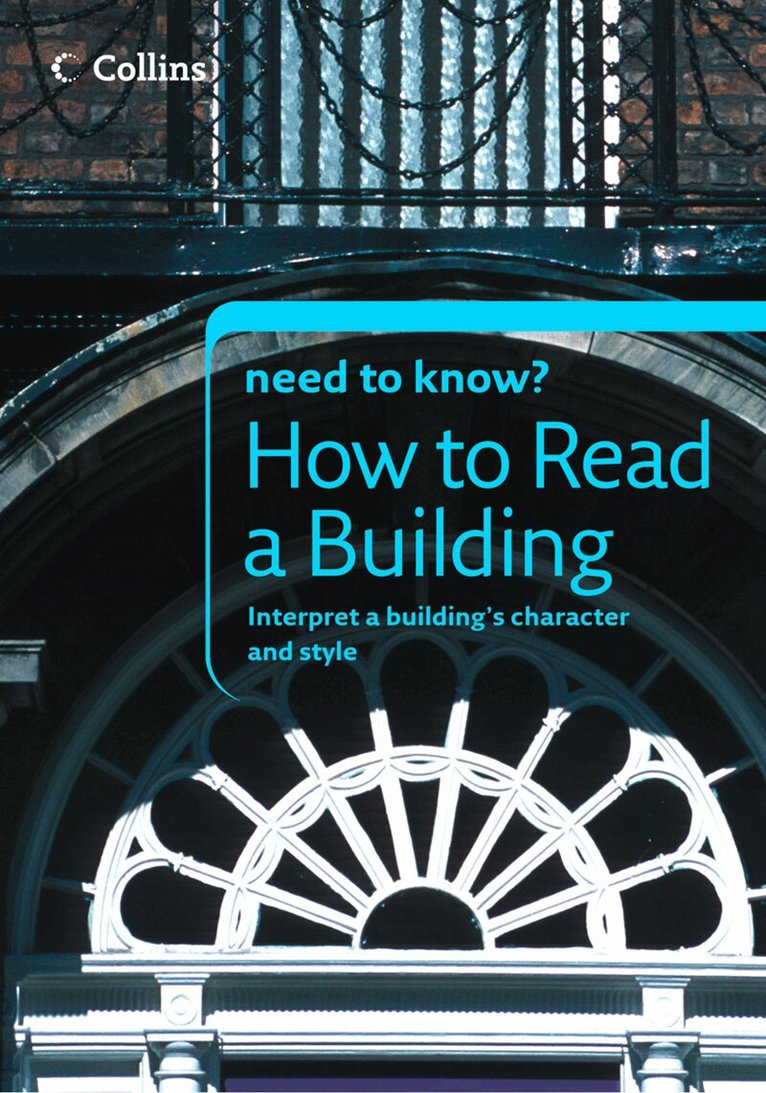
    How to Read a Building

    AvTimothy Brittain-Catlin

    E-bok
    Engelska, 2014

    Del i serien Collins Need to Know?

    77 kr

    Läs direkt i Bokus Reader – eller ladda ned till din enhet

    Beskrivning

    Architecture is all around us – it is part of our lives, and its development is a central theme in the history of mankind. Learning to read a building is the route to understanding a major part of our cultural inheritance.Collins Need to Know? How to Read a Building shows you how to analyse and interpret architectural features with confidence.Have you ever wanted to be able to tell the difference between tudor and mock-tudor? Want to learn what components make a building gothic? Ever wondered what has influenced how our towns and cities were built? Want to understand the major traditions of architecture?Collins Need to Know? How to Read a Building takes the reader through the process of learning more about the built environment. Starting with the basics of analysing the home, then moving onto looking at public buildings and larger and more well-known structures, Timothy Brittain-Catlin shows the reader how features are inherited and copied, as well as adapted with each new generation.Whether you live in a small flat or detached house, you can find traces of architectural history - and learn to interpret the features you see and put them into the wider context of your surroundings. This book will help you start to uncover fascinating aspects of architectural style and history from the buildings you pass every day.Contents:Introduction: Architecture is for everyoneChapter 1: The elements of architectureChapter 2: The Classical traditionChapter 3: The Gothic traditionChapter 4: The Nineteenth centuryChapter 5: Architecture since 1900Chapter 6: Thinking ArchitecturallyAlso contains comprehensive glossary of terms and quick reference ID guides.

    Produktinformation

    • Utgivningsdatum:2014-05-22
    • Språk:Engelska
    • Filformat:EPUB
    • Kopieringsskydd:LCP
    • ISBN:9780007563470
    • Förlag:HarperCollins Publishers
    • Serie:Collins Need to Know?

    Utforska kategorier

    • Arkitektur inom Kultur

    Mer om författaren

    Timothy Brittain-Catlin is an architectural historian, architect and writer on architecture. He teaches at the Kent School of Architecture, University of Kent, at Canterbury. He has worked in Israel on urban renewal schemes, and taught at the Israeli Bezalel Academy of Art and Design, Jerusalem. He contributes to the Architectural Review, writes regular features for the World of Interiors, and also designed his own house, the Millennium Villa.