• Fri frakt över 249 kr
  • •
  • Snabba leveranser
  • •
  • Billiga böcker
Kundservice

Du är på sajten för privatpersoner.

Företag, bibliotek eller offentlig verksamhet?

Du handlar på classic.bokus.com, där alla dina funktioner finns intakta.
Till classic.bokus.com
Bokus logotyp. Gå till startsidan.
  • Erbjudanden
  • Student
  • Topplistor
  • Barn & ungdom
  • Bokus Play
  • E-böcker
  • Ljudböcker
  • Pocketböcker
  • Spel & pussel

Upp till 25% på utvalda nyheter →

Sidfot

Mina sidor

    Hjälp

    • Kundservice
    • Vanliga frågor och svar
    • Frakt och leverans
    • Retur vid ångerrätt
    • Reklamera vara
    • Betalning
    • Köpvillkor
    • Allmänna villkor
    • Information om webbplatsens tillgänglighet

    Om Bokus

    • Om oss
    • Pressrum
    • För studenter
    • För företag
    • För bibliotek och offentlig verksamhet
    • För leverantörer
    • Hållbarhet

    Populärt

    • Aktuella erbjudanden
    • Presentkort
    • Studentlitteratur
    • Nya böcker
    • Topplistor
    • Signerade böcker
    • Engelska böcker

    Inspiration

    • Boktips
    • BookTok
    • Populära bokserier
    • Barnbokskaraktärer
    • Populära författare
    Logotyp för Bokus
    Följ oss på Facebook (extern länk)Följ oss på Instagram (extern länk)Följ oss på YouTube (extern länk)Följ oss på TikTok (extern länk)
    bokus @ CookiesAnpassa cookiesIntegritetspolicyKöpvillkor
    Till Citymail hemsida (extern länk)Till Budbee hemsida (extern länk)Till Postnord hemsida (extern länk)Till Schenker hemsida (extern länk)Till Early Bird hemsida (extern länk)Till Walleys hemsida (extern länk)
    1. Sport, fritid och hobby
    2. Humor och presentböcker

    Television

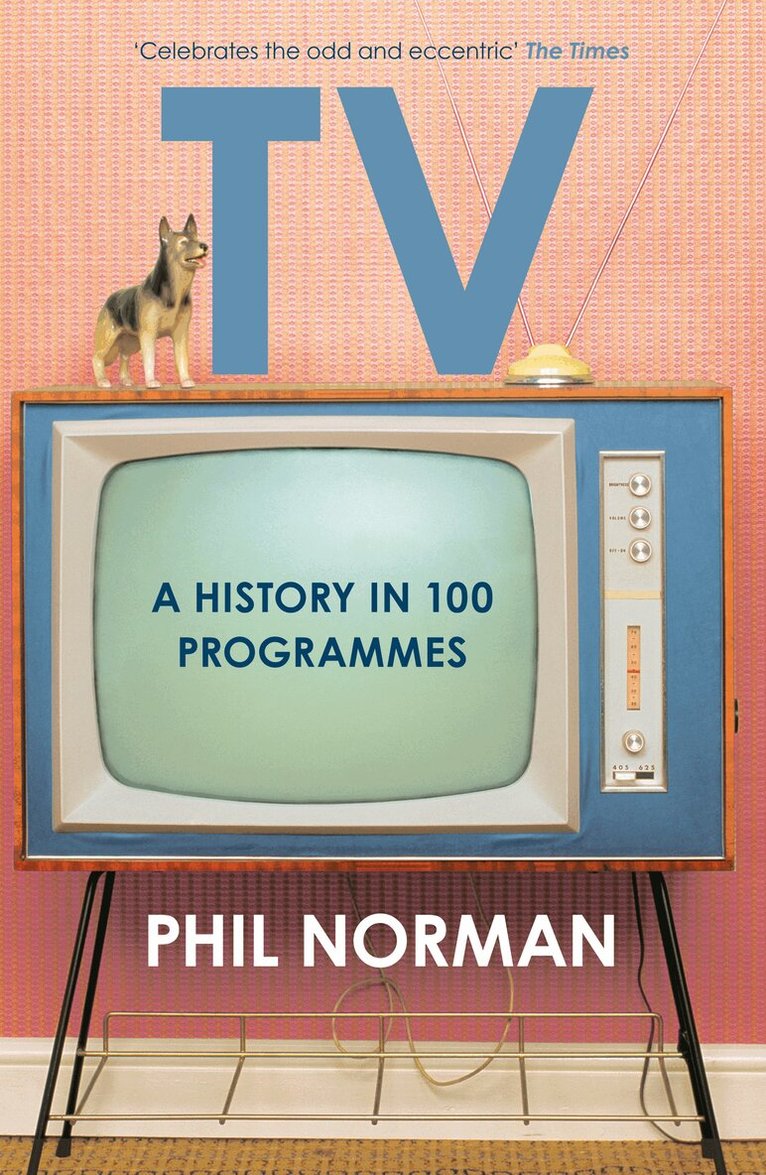
    A History in 100 Programmes

    AvPhil Norman

    Häftad, Engelska, 2016

    183 kr

    Beställningsvara. Skickas inom 5-8 vardagar. Fri frakt över 249 kr.

    Beskrivning

    An entertaining and illuminating celebration of televisual history by cultural historian Phil NormanFor decades, television occupied a unique position in the national imagination. By today’s standards the ‘box’ was tiny, but it dominated the living room in a way its technically superior descendants never quite manage. Has the television lost its power in the internet age? Cultural historian Phil Norman goes in search of such questions as he tells the history of TV through 100 ground-breaking programmes.He celebrates the joy of the TV schedule which, in the days of just a few channels, threw up dizzy juxtapositions on a daily basis: an earnest play might be followed by a variety spectacular; a horror anthology that drove children behind furniture followed a sketch show that chewed the carpet. This riotous mix, now slowly disappearing as themed channels and on-demand services take over, gave television a sense of community that no other media could compete with.The wonderful variety of programmes in the book includes overlooked gems and justly wiped follies, overcooked spectaculars and underfunded experiments – just as much a part of TV history as the national treasures and stone-cold classics. A History of Television in 100 Programmes revels in the days when television was at the most exciting, creative stage of any medium: a cottage industry with the world at its feet.

    Produktinformation

    • Utgivningsdatum:2016-11-03
    • Mått:129 x 198 x 28 mm
    • Vikt:310 g
    • Format:Häftad
    • Språk:Engelska
    • Antal sidor:448
    • Förlag:HarperCollins Publishers
    • ISBN:9780008113322
    • Miljömärkning:Produced using independently certified paper to ensure responsible forestry management. (Certification is by FSC, PEFC or SFI.) Produced in the UK using 100% renewable electricity.

    Utforska kategorier

    • Humor och presentböcker inom Sport, fritid och hobby
    • Television inom Kultur

    Mer om författaren

    Phil was a founding member of the TV Cream nostalgia website and has written several books on popular culture.

    Recensioner i media

    ‘Norman writes with epigrammatic wit.’ The Times‘This alternative history of the “idiot’s lantern” gathers a hundred programmes to chart eighty-odd years of televisual evolution: the early, chaotic years; the foolhardy, unselfconscious and creatively energetic years before commerce eventually knocked those fascinating corners off its character. At its best and at its worst, television is brutally honest and charmingly deceitful, sentimentally partisan and coldly dispassionate, obscenely lavish and ludicrously cheap. Its death has been predicted many times, but somehow it survives to this day.’