• Fri frakt över 249 kr
  • •
  • Snabba leveranser
  • •
  • Billiga böcker
Kundservice

Du är på sajten för privatpersoner.

Företag, bibliotek eller offentlig verksamhet?

Du handlar på classic.bokus.com, där alla dina funktioner finns intakta.
Till classic.bokus.com
Bokus logotyp. Gå till startsidan.
  • Erbjudanden
  • Nyheter
  • Student
  • Topplistor
  • Barn & ungdom
  • Bokus Play
  • E-böcker
  • Pocketböcker
  • Spel & pussel

10% rabatt på allt med kod NYSTART10 →

Sidfot

Mina sidor

    Hjälp

    • Kundservice
    • Vanliga frågor och svar
    • Frakt och leverans
    • Retur vid ångerrätt
    • Reklamera vara
    • Betalning
    • Köpvillkor
    • Allmänna villkor
    • Information om webbplatsens tillgänglighet

    Om Bokus

    • Om oss
    • Pressrum
    • För studenter
    • För företag
    • För bibliotek och offentlig verksamhet
    • För leverantörer
    • Hållbarhet

    Populärt

    • Aktuella erbjudanden
    • Presentkort
    • Studentlitteratur
    • Nya böcker
    • Topplistor
    • Signerade böcker
    • Engelska böcker

    Inspiration

    • Boktips
    • BookTok
    • Populära bokserier
    • Barnbokskaraktärer
    • Populära författare
    Logotyp för Bokus
    Följ oss på Facebook (extern länk)Följ oss på Instagram (extern länk)Följ oss på YouTube (extern länk)Följ oss på TikTok (extern länk)
    bokus @ CookiesAnpassa cookiesIntegritetspolicyKöpvillkor
    Till Citymail hemsida (extern länk)Till Budbee hemsida (extern länk)Till Postnord hemsida (extern länk)Till Schenker hemsida (extern länk)Till Early Bird hemsida (extern länk)Till Walleys hemsida (extern länk)
    1. Språk och ordböcker
    2. Språkvetenskap och lingvistik

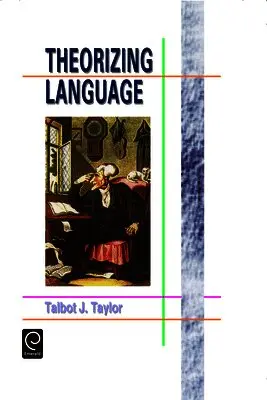
    Theorizing Language: Analysis, Normativity, Rhetoric, History

    AvTalbot J. Taylor

    Inbunden, Engelska, 1997

    Del i serien Brill

    777 kr

    Beställningsvara. Skickas inom 5-8 vardagar. Fri frakt över 249 kr.

    Beskrivning

    Although what language users in different cultures say about their own language has long been recognized as of potential interest, its theoretical importance to the study of language has typically been thought to be no more than peripheral. "Theorizing Language" is the first book to place the reflexive character of language at the very centre both of its empirical study and of its theoretical explanation. Language can only be explained as a cultural product of the reflexive application of its own creative powers to construct, regulate, and give conceptual form to objects of understanding. Language is itself, first and foremost, an object of cultural understanding. Theoretical analyses of language which have neglected its reflexive character, or simply taken its effects for granted, merely impose their own artificial structures on their analytical object. The first part of this book discusses the consequences of neglecting this reflexive character for the technical concepts and methods which are used in analysing different types of communicational phenomena. In the second part, normativity - a crucial aspect of language's reflexive nature - is examined. The book's third and final part focuses on particular issues in the history of linguistic thought which bear witness to the rhetoric of language theorizing as a reflexive form of inquiry.

    Produktinformation

    • Utgivningsdatum:1997-11-05
    • Mått:156 x 235 x 18 mm
    • Vikt:562 g
    • Format:Inbunden
    • Språk:Engelska
    • Serie:Brill
    • Antal sidor:284
    • Förlag:HarperCollins Publishers
    • ISBN:9780080425771

    Utforska kategorier

    • Språkvetenskap och lingvistik inom Språk och ordböcker
    • Antropologi inom Samhälle och politik

    Innehållsförteckning

    • Introduction - enculturating language. Part 1 Analytical criteria: scriptism and the analysis of ideal speech; a Wittgensteinian perspective in linguistics; do you understand? - criteria of understanding in verbal interaction; communication and literary style - the principle of intersubjectivity. Part 2 Normativity: reflexivity, politics and explanation in conversation analysis; which is to be master? - normativity and linguistic form. Part 3 Rhetoric and history: why we need a theory of language; communicational scepticism and the discourse of order; Bruner and Condillac on learning how to talk; the anthropomorphic and the sceptical; the origin of language - why it never happened;