• Fri frakt över 249 kr
  • •
  • Snabba leveranser
  • •
  • Billiga böcker
Kundservice

Du är på sajten för privatpersoner.

Företag, bibliotek eller offentlig verksamhet?

Du handlar på classic.bokus.com, där alla dina funktioner finns intakta.
Till classic.bokus.com
Bokus logotyp. Gå till startsidan.
  • Erbjudanden
  • Nyheter
  • Student
  • Topplistor
  • Barn & ungdom
  • Bokus Play
  • E-böcker
  • Pocketböcker
  • Spel & pussel

10% rabatt på allt med kod: NYSTART10 →

Sidfot

Mina sidor

    Hjälp

    • Kundservice
    • Vanliga frågor och svar
    • Frakt och leverans
    • Retur vid ångerrätt
    • Reklamera vara
    • Betalning
    • Köpvillkor
    • Allmänna villkor
    • Information om webbplatsens tillgänglighet

    Om Bokus

    • Om oss
    • Pressrum
    • För studenter
    • För företag
    • För bibliotek och offentlig verksamhet
    • För leverantörer
    • Hållbarhet

    Populärt

    • Aktuella erbjudanden
    • Presentkort
    • Studentlitteratur
    • Nya böcker
    • Topplistor
    • Signerade böcker
    • Engelska böcker

    Inspiration

    • Boktips
    • BookTok
    • Populära bokserier
    • Barnbokskaraktärer
    • Populära författare
    Logotyp för Bokus
    Följ oss på Facebook (extern länk)Följ oss på Instagram (extern länk)Följ oss på YouTube (extern länk)Följ oss på TikTok (extern länk)
    bokus @ CookiesAnpassa cookiesIntegritetspolicyKöpvillkor
    Till Citymail hemsida (extern länk)Till Budbee hemsida (extern länk)Till Postnord hemsida (extern länk)Till Schenker hemsida (extern länk)Till Early Bird hemsida (extern länk)Till Walleys hemsida (extern länk)
    1. Djur och Natur
    2. Naturböcker
    3. Växtböcker

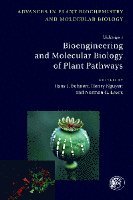
    Bioengineering and Molecular Biology of Plant Pathways

    AvNorman Lewis

    Inbunden, Engelska, 2007

    Del 1 i serien Advances in Plant Biochemistry and Molecular Biology

    2 143 kr

    Beställningsvara. Skickas inom 10-15 vardagar. Fri frakt över 249 kr.

    Beskrivning

    The increased knowledge about the structure of genomes in a number of species, about the complexity of transcriptomes, and the rapid growth in knowledge about mutant phenotypes have set off the large scale use of transgenes to answer basic biological questions, and to generate new crops and novel products. Bioengineering and Molecular Biology of Plant Pathways includes twelve chapters, which to variable degrees describe the use of transgenic plants to explore possibilities and approaches for the modification of plant metabolism, adaptation or development. The interests of the authors range from tool development, to basic biochemical know-how about the engineering of enzymes, to exploring avenues for the modification of complex multigenic pathways, and include several examples for the engineering of specific pathways in different organs and developmental stages.

    • Prologue by Paul K. Stumpf and Eric E. Conn
    • Incorporates new concepts and insights in plant biochemistry and biology
    • Provides a conceptual framework regarding the challenges faced in engineering pathways
    • Discusses potential in engineering of metabolic end-products that are of vast economical importance, including genetic engineering of cellulose, seed storage proteins, and edible and industrial oils

    Produktinformation

    • Utgivningsdatum:2007-12-17
    • Mått:165 x 240 x 0 mm
    • Vikt:1 060 g
    • Format:Inbunden
    • Språk:Engelska
    • Serie:Advances in Plant Biochemistry and Molecular Biology
    • Antal sidor:504
    • Förlag:Elsevier Science
    • ISBN:9780080449722

    Utforska kategorier

    • Växtböcker inom Djur och Natur
    • Botanik inom Naturvetenskap och teknik
    • Biologi inom Naturvetenskap och teknik

    Innehållsförteckning

    • DedicationContributors to Volume 1Introduction to the Series and AcknowledgementsPreface to volume 1PrologueMetabolic Organization in Plants: A Challenge for the Metabolic Engineer1 Introduction2 Plant Metabolic Networks and Their Organization3 Tools for Analyzing Network Structure and Performance4 Integration of Plant Metabolism5 SummaryEnzyme Engineering1 Introduction2 Theoretical Considerations3 Practical Considerations for Engineering Enzymes4 Opportunities for Plant Improvement Through Engineered Enzymes and Proteins5 SummaryGenetic Engineering of Amino Acid Metabolism in Plants1 Introduction2 Glutamine, Glutamate, Aspartate, and Asparagine are Central Regulators of Nitrogen Assimilation, Metabolism, and Transport3 The Aspartate Family Pathway that is Responsible for Synthesis of the Essential Amino Acids Lysine, Threonine, Methionine, and Isoleucine4 Regulation of Methionine Biosynthesis5 Engineering Amino Acid Metabolism to Improve the Nutritional Quality of Plants for Nonruminants and Ruminants6 Future Prospects7 SummaryEngineering Photosynthetic Pathways1 Introduction2 Identification of Limiting Steps in the PCR Cycle3 Engineering CO2‐Fixation Enzymes4 Engineering Post‐RuBisCO Reactions5 SummaryGenetic Engineering of Seed Storage Proteins1 Introduction2 Storage Protein Modification for the Improvement of Seed Protein Quality3 Use of Seed Storage Proteins for Protein Quality Improvements in Nonseed Crops4 Modification of Grain Biophysical Properties5 Transgenic Modifications that Enhance the Utility of Seed Storage Proteins6 Summary and Future ProspectsBiochemistry and Molecular Biology of Cellulose Biosynthesis in Plants: Prospects for Genetic Engineering1 Introduction2 The Many Forms of Cellulose—A Brief Introduction to the Structure and Different Crystalline Forms of Cellulose3 Biochemistry of Cellulose Biosynthesis in Plants4 Molecular Biology of Cellulose Biosynthesis in Plants5 Mechanism of Cellulose Synthesis6 Prospects for Genetic Engineering of Cellulose Biosynthesis in Plants7 SummaryMetabolic Engineering of the Content and Fatty Acid Composition of Vegetable Oils1 Introduction2 TAG Synthesis3 Control of TAG Composition4 SummaryPathways for the Synthesis of Polyesters in Plants: Cutin, Suberin, and Polyhydroxyalkanoates1 Introduction2 Cutin and Suberin3 PolyhydroxyalkanoatePlant Sterol Methyltransferases: Phytosterolomic Analysis, Enzymology, and Bioengineering Strategies1 Introduction2 Pathways of Phytosterol Biosynthesis3 Phytosterolomics4 Enzymology and Evolution of the SMT5 Bioengineering Strategies for Generating Plants with Modified Sterol CompositionsEngineering Plant Alkaloid Biosynthetic Pathways: Progress and Prospects1 Introduction2 Monoterpenoid Indole Alkaloids3 Tetrahydrobenzylisoquinoline Alkaloids4 Tropane Alkaloids5 SummaryEngineering Formation of Medicinal Compounds in Cell Cultures1 Introduction2 Biochemistry and Cell Biology of Secondary Metabolites3 Cell Culture and Metabolite Production4 Beyond the Obstacles: Molecular Biological Approaches to Improve Productivity of Secondary Metabolites in Plant Cells5 Future Perspectives6 SummaryGenetic Engineering for Salinity Stress Tolerance6 Plant Signal Transduction for Adaptation to Salinity7 ABA is a Major Mediator of Plant Stress Response Signaling8 SummaryMetabolic Engineering of Plant Allyl/Propenyl Phenol and Lignin Pathways: Future Potential for Biofuels/Bioenergy, Polymer Intermediates, and Specialty Chemicals?1 Introduction2 Lignin Formation and Manipulation3 Current Sources/Markets for Specialty Allyl/Propenyl Phenols4 Biosynthesis of Allyl and Propenyl Phenols and Related Phenylpropanoid Moieties5 Potential for Allyl/Propenyl Phenols?6 SummaryAuthor IndexSubject Index