Inbunden, Engelska, 2008
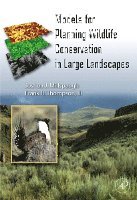
Models for Planning Wildlife Conservation in Large Landscapes
Av Joshua Millspaugh, Frank R. Thompson
931 kr
Beställningsvara. Skickas inom 10-15 vardagar. Fri frakt över 249 kr.
Beskrivning
A single-resource volume of information on the most current and effective techniques of wildlife modeling, Models for Planning Wildlife Conservation in Large Landscapes is appropriate for students and researchers alike. The unique blend of conceptual, methodological, and application chapters discusses research, applications and concepts of modeling and presents new ideas and strategies for wildlife habitat models used in conservation planning. The book makes important contributions to wildlife conservation of animals in several ways: (1) it highlights historical and contemporary advancements in the development of wildlife habitat models and their implementation in conservation planning; (2) it provides practical advice for the ecologist conducting such studies; and (3) it supplies directions for future research including new strategies for successful studies.
Intended to provide a recipe for successful development of wildlife habitat models and their implementation in conservation planning, the book could be used in studying wildlife habitat models, conservation planning, and management techniques. Additionally it may be a supplemental text in courses dealing with quantitative assessment of wildlife populations. Additionally, the length of the book would be ideal for graduate student seminar course.
Using wildlife habitat models in conservation planning is of considerable interest to wildlife biologists. With ever tightening budgets for wildlife research and planning activities, there is a growing need to use computer methods. Use of simulation models represents the single best alternative. However, it is imperative that these techniques be described in a single source. Moreover, biologists should be made aware of alternative modeling techniques. It is also important that practical guidance be provided to biologists along with a demonstration of utility of these procedures. Currently there is little guidance in the wildlife or natural resource planning literature on how best to incorporate wildlife planning activities, particularly community-based approaches. Now is the perfect time for a synthestic publication that clearly outlines the concepts and available methods, and illustrates them.
Intended to provide a recipe for successful development of wildlife habitat models and their implementation in conservation planning, the book could be used in studying wildlife habitat models, conservation planning, and management techniques. Additionally it may be a supplemental text in courses dealing with quantitative assessment of wildlife populations. Additionally, the length of the book would be ideal for graduate student seminar course.
Using wildlife habitat models in conservation planning is of considerable interest to wildlife biologists. With ever tightening budgets for wildlife research and planning activities, there is a growing need to use computer methods. Use of simulation models represents the single best alternative. However, it is imperative that these techniques be described in a single source. Moreover, biologists should be made aware of alternative modeling techniques. It is also important that practical guidance be provided to biologists along with a demonstration of utility of these procedures. Currently there is little guidance in the wildlife or natural resource planning literature on how best to incorporate wildlife planning activities, particularly community-based approaches. Now is the perfect time for a synthestic publication that clearly outlines the concepts and available methods, and illustrates them.
- Only single resource book of information not only on various wildlife modeling techniques, but also with practical guidance on the demonstrated utility of each based on real-world conditions.
- Provides concepts, methods and applications for wildlife ecologists and others within a GIS context.
- Written by a team of subject-area experts
Produktinformation
- Utgivningsdatum: 2008-10-14
- Mått: 191 x 235 x 36 mm
- Vikt: 1 430 g
- Format: Inbunden
- Språk: Engelska
- Antal sidor: 720
- Förlag: Elsevier Science
- ISBN: 9780123736314
Utforska kategorier
Betyg & recensioner
0 recensioner
Inga recensioner tillgängliga.