• Fri frakt över 249 kr
  • •
  • Snabba leveranser
  • •
  • Billiga böcker
Kundservice

Du är på sajten för privatpersoner.

Företag, bibliotek eller offentlig verksamhet?

Du handlar på classic.bokus.com, där alla dina funktioner finns intakta.
Till classic.bokus.com
Bokus logotyp. Gå till startsidan.
  • Erbjudanden
  • Student
  • Topplistor
  • Barn & ungdom
  • Bokus Play
  • E-böcker
  • Ljudböcker
  • Pocketböcker
  • Spel & pussel

Upp till 25% på utvalda nyheter →

Sidfot

Mina sidor

    Hjälp

    • Kundservice
    • Vanliga frågor och svar
    • Frakt och leverans
    • Retur vid ångerrätt
    • Reklamera vara
    • Betalning
    • Köpvillkor
    • Allmänna villkor
    • Information om webbplatsens tillgänglighet

    Om Bokus

    • Om oss
    • Pressrum
    • För studenter
    • För företag
    • För bibliotek och offentlig verksamhet
    • För leverantörer
    • Hållbarhet

    Populärt

    • Aktuella erbjudanden
    • Presentkort
    • Studentlitteratur
    • Nya böcker
    • Topplistor
    • Signerade böcker
    • Engelska böcker

    Inspiration

    • Boktips
    • BookTok
    • Populära bokserier
    • Barnbokskaraktärer
    • Populära författare
    Logotyp för Bokus
    Följ oss på Facebook (extern länk)Följ oss på Instagram (extern länk)Följ oss på YouTube (extern länk)Följ oss på TikTok (extern länk)
    bokus @ CookiesAnpassa cookiesIntegritetspolicyKöpvillkor
    Till Citymail hemsida (extern länk)Till Budbee hemsida (extern länk)Till Postnord hemsida (extern länk)Till Schenker hemsida (extern länk)Till Early Bird hemsida (extern länk)Till Walleys hemsida (extern länk)
    1. Naturvetenskap och teknik
    2. Geovetenskap
    3. Miljövetenskap och miljöpolitik

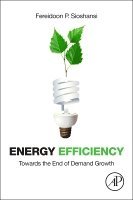
    Energy Efficiency

    Towards the End of Demand Growth

    AvFereidoon Sioshansi,Fereidoon P. Sioshansi

    Inbunden, Engelska, 2013

    692 kr

    Beställningsvara. Skickas inom 10-15 vardagar. Fri frakt över 249 kr.

    Fler format och utgåvor

    E-bok

    773 kr

    Beskrivning

    Energy Efficiency: Towards the End of Demand Growth is a detailed guide to new energy efficiency technologies and policy frameworks affecting the profitability of efficiency projects. The contributions drawn together by F.P. Sioshansi feature insights from recognized thought leaders, detailed examinations of evolving technologies, and practical case studies yielding best practices for project planners, implementers and financiers. This volume challenges the "more is better" paradigm in energy production, examining efficiency technologies and measurement across the supply chain.

    • Comparative financial analysis of efficiency vs. increased generation
    • Case studies from four continents highlight the examples of successful technologies and projects
    • Explains how existing and developing regulatory frameworks impact cost and implementation

    Produktinformation

    • Utgivningsdatum:2013-04-26
    • Mått:152 x 229 x 36 mm
    • Vikt:1 020 g
    • Format:Inbunden
    • Språk:Engelska
    • Antal sidor:688
    • Förlag:Elsevier Science
    • ISBN:9780123978790

    Utforska kategorier

    • Miljövetenskap och miljöpolitik inom Naturvetenskap och teknik

    Mer om författaren

    Dr. Fereidoon Sioshansi is President of Menlo Energy Economics, a consulting firm based in San Francisco with over 35 years of experience in the electric power sector working in analysis of energy markets, specializing in the policy, regulatory, technical and environmental aspects of the electric power sector in the US and internationally. His research and professional interests are concentrated in demand and price forecasting, electricity market design, competitive pricing & bidding, integrated resource planning, energy conservation and energy efficiency, economics of global climate change, sustainability, energy security, renewable energy technologies, and comparative performance of competitive electricity markets. Dr. Sioshansi advises major utility clients and government policy makers domestically and internationally on electricity market reform, restructuring and privatization of the electric power sector. He has published numerous reports, books, book chapters and papers in peer-reviewed journals on a wide range of subjects. His professional background includes working at Southern California Edison Co. (SCE), Electric Power Research Institute (EPRI), NERA, and Global Energy Decisions. He is the editor and publisher of EEnergy Informer, a monthly newsletter with international circulation. He is on the Editorial Advisory Board of The Electricity Journal where he is regularly featured in the “Electricity Currents” section. Dr. Sioshansi also serves on the editorial board of Utilities Policy and is a frequent contributor to Energy Policy. Since 2006, He has edited 12 books on related topics with Elsevier.

    Recensioner i media

    "I can recommend this book as a useful reference for the state-of-the-art analysis of energy efficiency at the beginning of the second decade of the XXI century. Dr. Sioshansi and the other authors were able to encompass most thematic areas related to energy efficiency and show their complex interplay." --Energy Technology, 2014"Another timely book from prolific energy author and editor Fereidoon Sioshansi, this time exploring the global surge of electricity market reform…this title will interest many disparate groups, from students to investors, regulators, power utilities, renewables developers and policy makers." --Real Power, Autumn 2013"…‘Energy Efficiency’ explores the alternative path to continually increasing energy supply – an end to demand growth. The book looks at the alternative technologies that will help drive energy efficiency and discusses the policies that must be put in place to influence demand growth and to help select and deploy the most suitable solutions." --Real Power, Summer 2013"Specialists in the technology, economics, and politics of energy describe why and how people can influence the future of electricity demand growth globally, based on what is feasible and often cost effective." --Reference and Research Book News, October 2013

    Innehållsförteckning

    • Foreword Preface Introduction Part I: End of demand growth is within reach 1. Will energy efficiency make a difference? 2. Utility energy efficiency programs: Lessons from the past, opportunities for the future 3. A global perspective on the long-term impact of increased energy efficiency 4. Carpe Diem – Why retail electricity pricing must change now Allan Schurr, Global Energy & Utilities, IBM and Steven Hauser, New West Technologies 5. Is there an energy efficiency gap? Part II: The – frustratingly slow – evolution of energy efficiency 6. Making cost-effective energy efficiency fit utility business models: Why has it taken so long? 7. The evolution of demand side management in the US 8. China: Energy efficiency where it really matters 9. Rapid growth at what cost? Impact of energy efficiency policies in developing economies Part III: Case studies of low energy projects, policies & communities 10. The prospect of zero net energy buildings in the US11. What if this actually works? Implementing California’s zero net energy goals 12. Zero net energy at a community scale: UC Davis West Village 13. Crouching demand, hidden peaks: What's driving electricity consumption in Sydney? 14. From consumer to prosumer: Netherland’s PowerMatchingCity shows the way 15. Back to basics: Enhancing efficiency of electricity generation and delivery 16. Smarter Demand Response in RTO Markets: The Evolution Toward Price Responsive Demand in PJM Part IV: Opportunities and remaining obstacles 17. Shifting demand: From the economic imperative of energy efficiency to business models that engage and empower consumers 18. What comes after the low-hanging fruit? 19. Energy convergence: Integrating increased efficiency with increased penetration of renewable generation20. Energy efficiency finance: a Silver bullet amid the buckshot? 21. The holy grail: Customer response to energy information 22. Trading in energy efficiency – a market based solution, or just another market failure? 23. The ultimate challenge: Getting consumers engaged in energy efficiency Epilogue