
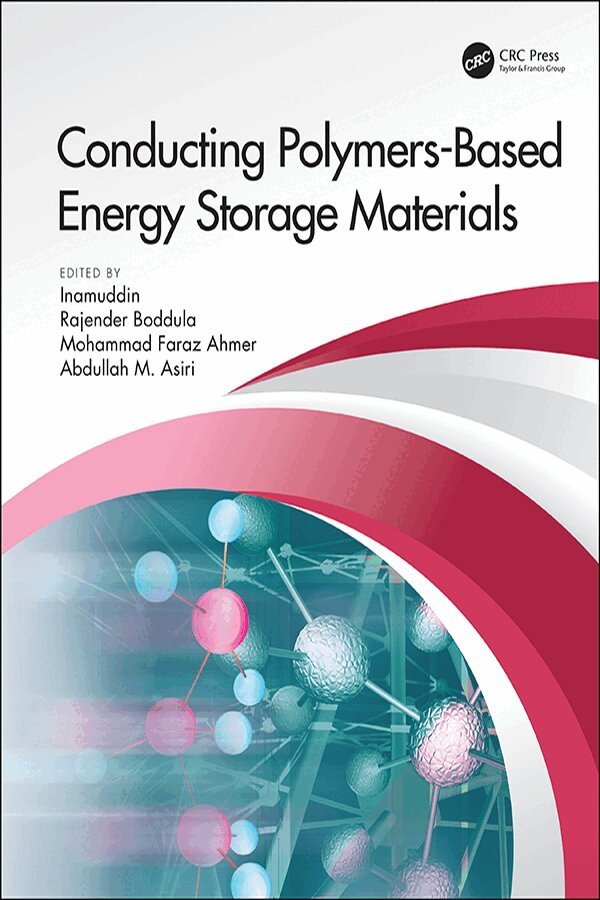
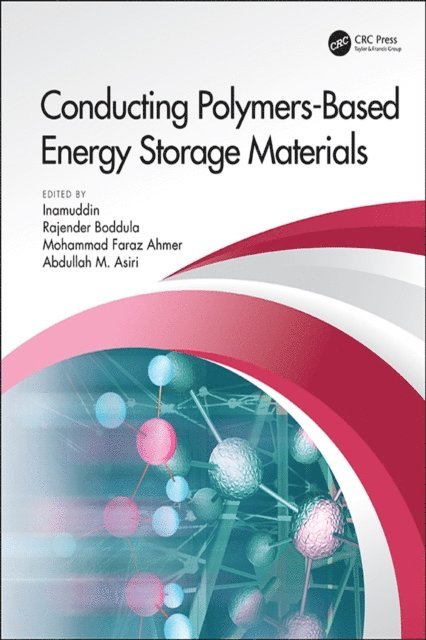
Conducting Polymers-Based Energy Storage Materials
Inamuddin, Rajender Boddula, Mohammad Faraz Ahmer, Abdullah Mohamed Asiri
Inbunden, 2019
3 011 kr
AvRajender Boddula,Mohd Imran Ahamed
2 171 kr
Beställningsvara. Skickas inom 10-15 vardagar. Fri frakt över 249 kr.
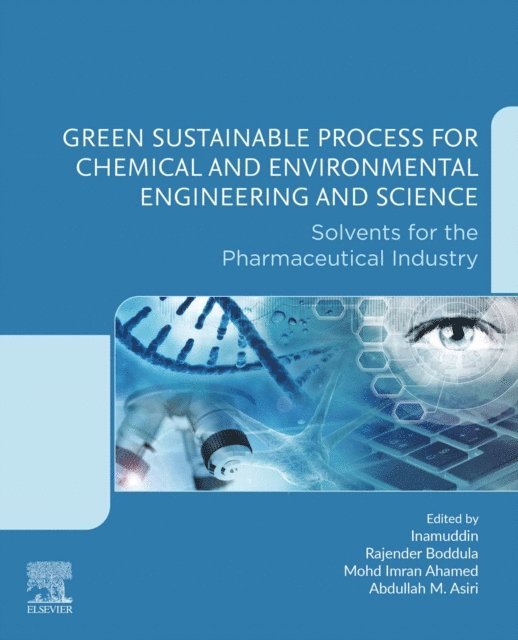
Green Sustainable Process for Chemical and Environmental Engineering and Science: Green Inorganic Synthesis provides an in-depth review of the synthesis of inorganic materials utilizing green chemistry protocols. It summarizes the green synthesis methods used for the preparation, processing and development of inorganic materials. The methods for the synthesis of various inorganic materials includes microwaves, sonochemical, electrochemical, bioinspired, enzyme mediated, sol-gel, solid state, etc. It also includes green-solvents driven inorganic material synthesis using ionic liquids, supercritical fluids, plant-derived materials, and microorganisms. The content of this book provides useful information which may be used to inspire the readers to new synthetic routes for sustainable inorganic synthesis. This book brings together panels of highly-accomplished experts in the field of inorganic chemistry. It is a unique book, extremely well structured and essential resource for undergraduate, postgraduate students, faculty, R&D professionals, production chemists, environmental engineers, and industrial experts.
Inamuddin, Rajender Boddula, Mohammad Faraz Ahmer, Abdullah Mohamed Asiri
Inbunden, 2019
3 011 kr
Inamuddin, Rajender Boddula, Mohammad Faraz Ahmer, Abdullah Mohamed Asiri
Inbunden, 2020
3 011 kr
. Inamuddin, Rajender Boddula, Mohd Imran Ahamed, Abdullah Mohamed Asiri
Inbunden, 2020
3 011 kr
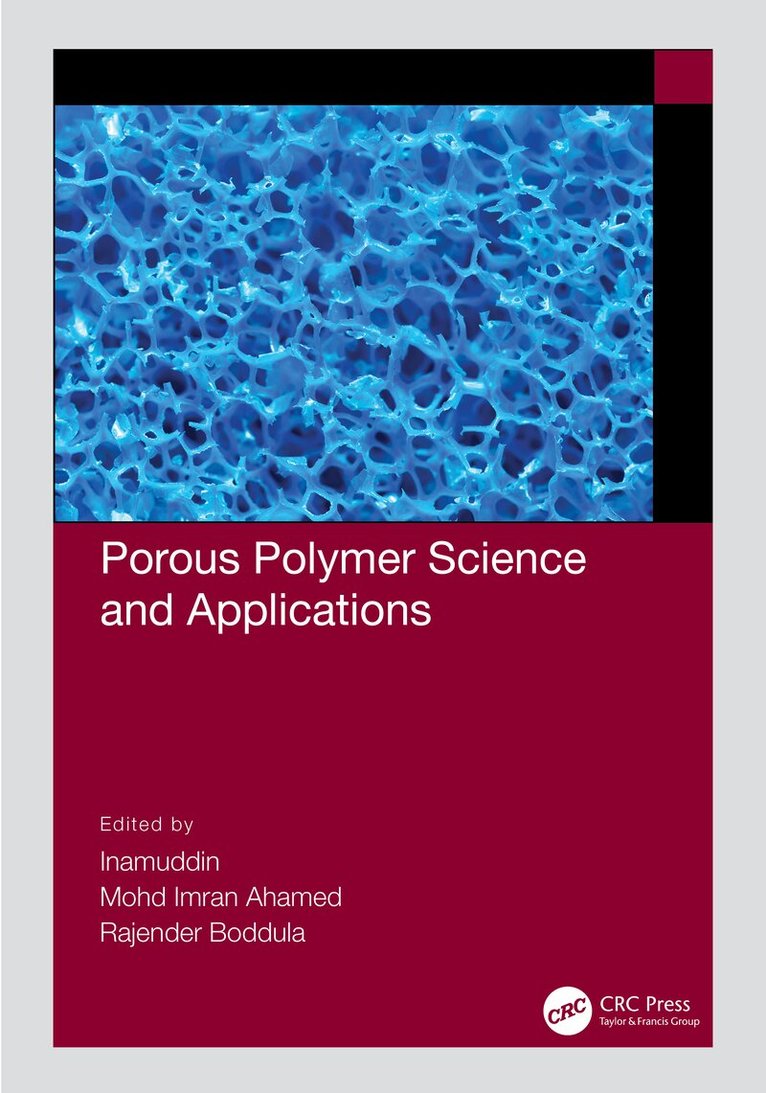
Inamuddin, Mohd Imran Ahamed, Rajender Boddula
Inbunden, 2022
2 467 kr
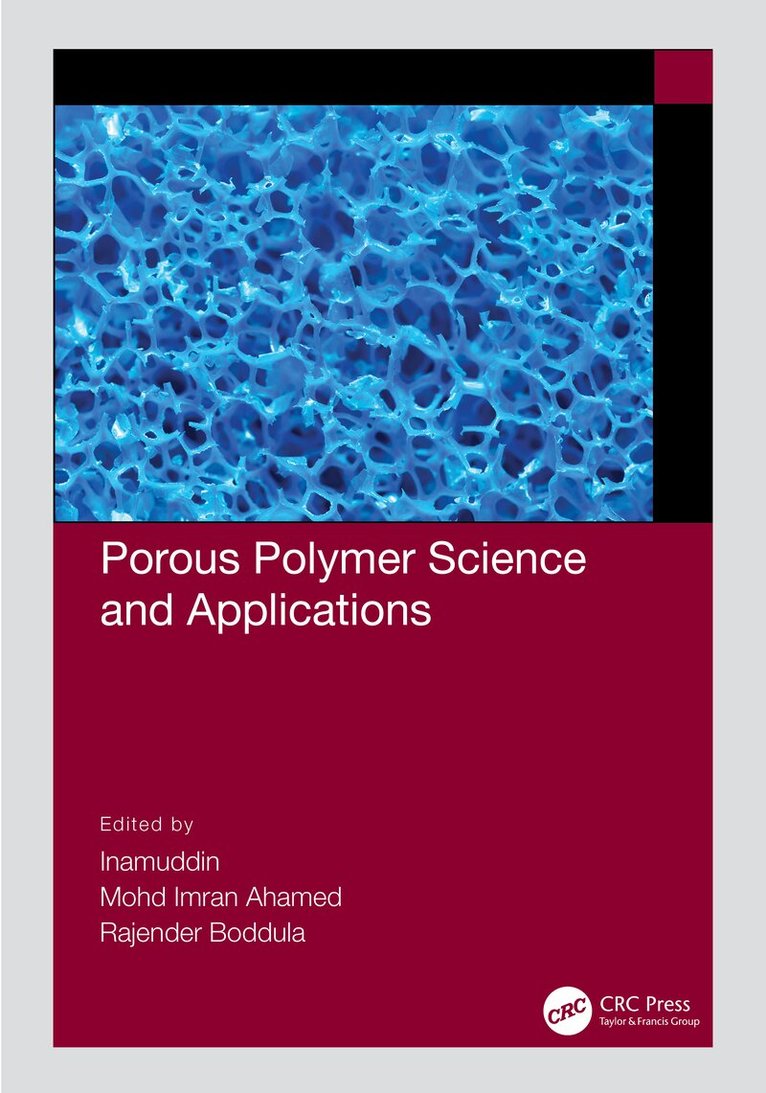
Inamuddin, Mohd Imran Ahamed, Rajender Boddula
Häftad, 2024
1 337 kr
Inamuddin, Mohd Imran Ahamed, Rajender Boddula, Tariq A. Altalhi
Inbunden, 2022
3 011 kr
Inamuddin, Mohd Imran Ahamed, Rajender Boddula, Tariq A. Altalhi
Häftad, 2024
1 037 kr
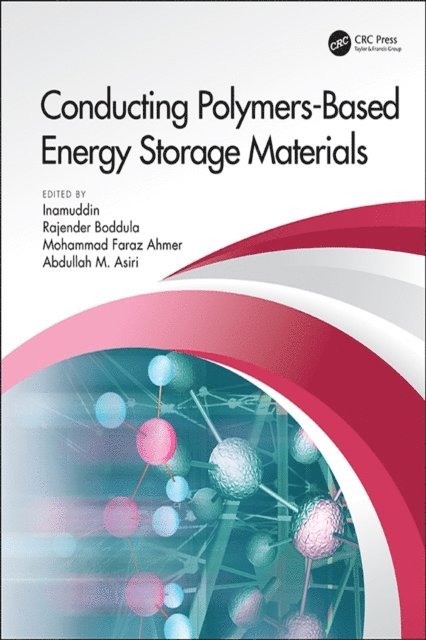
Abdullah Mohamed Asiri, Mohammad Faraz Ahmer, Rajender Boddula, Dr Inamuddin
712 kr
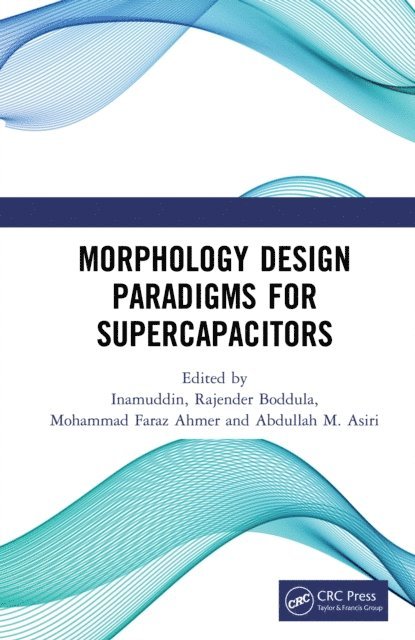
Abdullah Mohamed Asiri, Mohammad Faraz Ahmer, Rajender Boddula, Dr Inamuddin
712 kr
Abdullah Mohamed Asiri, Mohammad Faraz Ahmer, Rajender Boddula, Inamuddin
864 kr

Abdullah M. Asiri, Mohd Imran Ahamed, Rajender Boddula, Inamuddin
3 229 kr
Inamuddin, Rajender Boddula, Mohd Imran Ahamed, Abdullah M. Asiri
Häftad, 2020
2 267 kr
Jorddy Neves Cruz, Tariq Altalhi, Inamuddin
Häftad, 2023
2 311 kr
Inamuddin, Charles Oluwaseun Adetunji, Mohd Imran Ahamed
Häftad, 2022
2 187 kr
Tariq Altalhi, Arwa Alrooqi, Inamuddin
Häftad, 2023
2 267 kr
Inamuddin, Arwa Alrooqi, Tariq Altalhi
3 229 kr
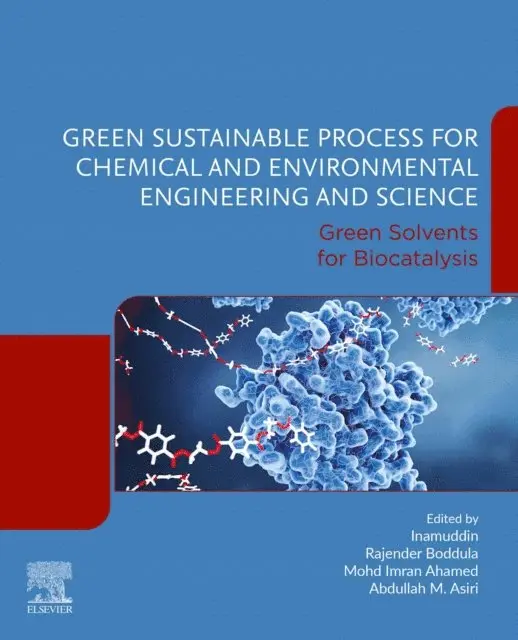
Abdullah M. Asiri, Mohd Imran Ahamed, Rajender Boddula
3 195 kr
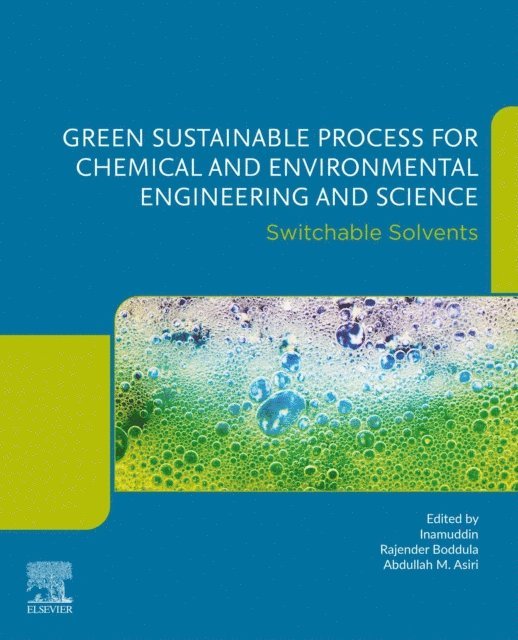
Abdullah M. Asiri, Rajender Boddula
3 229 kr
Inamuddin, Rajender Boddula, Abdullah M. Asiri
Häftad, 2020
2 267 kr
AvRajender Boddula,Mohd Imran Ahamed
2 171 kr
Beställningsvara. Skickas inom 10-15 vardagar. Fri frakt över 249 kr.
Green Sustainable Process for Chemical and Environmental Engineering and Science: Green Inorganic Synthesis provides an in-depth review of the synthesis of inorganic materials utilizing green chemistry protocols. It summarizes the green synthesis methods used for the preparation, processing and development of inorganic materials. The methods for the synthesis of various inorganic materials includes microwaves, sonochemical, electrochemical, bioinspired, enzyme mediated, sol-gel, solid state, etc. It also includes green-solvents driven inorganic material synthesis using ionic liquids, supercritical fluids, plant-derived materials, and microorganisms. The content of this book provides useful information which may be used to inspire the readers to new synthetic routes for sustainable inorganic synthesis. This book brings together panels of highly-accomplished experts in the field of inorganic chemistry. It is a unique book, extremely well structured and essential resource for undergraduate, postgraduate students, faculty, R&D professionals, production chemists, environmental engineers, and industrial experts.
Inamuddin, Rajender Boddula, Mohammad Faraz Ahmer, Abdullah Mohamed Asiri
Inbunden, 2019
3 011 kr
Inamuddin, Rajender Boddula, Mohammad Faraz Ahmer, Abdullah Mohamed Asiri
Inbunden, 2020
3 011 kr
. Inamuddin, Rajender Boddula, Mohd Imran Ahamed, Abdullah Mohamed Asiri
Inbunden, 2020
3 011 kr
Inamuddin, Mohd Imran Ahamed, Rajender Boddula
Inbunden, 2022
2 467 kr
Inamuddin, Mohd Imran Ahamed, Rajender Boddula
Häftad, 2024
1 337 kr
Inamuddin, Mohd Imran Ahamed, Rajender Boddula, Tariq A. Altalhi
Inbunden, 2022
3 011 kr
Inamuddin, Mohd Imran Ahamed, Rajender Boddula, Tariq A. Altalhi
Häftad, 2024
1 037 kr
Abdullah Mohamed Asiri, Mohammad Faraz Ahmer, Rajender Boddula, Dr Inamuddin
712 kr
Abdullah Mohamed Asiri, Mohammad Faraz Ahmer, Rajender Boddula, Dr Inamuddin
712 kr
Abdullah Mohamed Asiri, Mohammad Faraz Ahmer, Rajender Boddula, Inamuddin
864 kr
Abdullah M. Asiri, Mohd Imran Ahamed, Rajender Boddula, Inamuddin
3 229 kr
Inamuddin, Rajender Boddula, Mohd Imran Ahamed, Abdullah M. Asiri
Häftad, 2020
2 267 kr
Jorddy Neves Cruz, Tariq Altalhi, Inamuddin
Häftad, 2023
2 311 kr
Inamuddin, Charles Oluwaseun Adetunji, Mohd Imran Ahamed
Häftad, 2022
2 187 kr
Tariq Altalhi, Arwa Alrooqi, Inamuddin
Häftad, 2023
2 267 kr
Inamuddin, Arwa Alrooqi, Tariq Altalhi
3 229 kr
Abdullah M. Asiri, Mohd Imran Ahamed, Rajender Boddula
3 195 kr
Abdullah M. Asiri, Rajender Boddula
3 229 kr
Inamuddin, Rajender Boddula, Abdullah M. Asiri
Häftad, 2020
2 267 kr
AvRajender Boddula,Mohd Imran Ahamed
2 171 kr
Beställningsvara. Skickas inom 10-15 vardagar. Fri frakt över 249 kr.
Green Sustainable Process for Chemical and Environmental Engineering and Science: Green Inorganic Synthesis provides an in-depth review of the synthesis of inorganic materials utilizing green chemistry protocols. It summarizes the green synthesis methods used for the preparation, processing and development of inorganic materials. The methods for the synthesis of various inorganic materials includes microwaves, sonochemical, electrochemical, bioinspired, enzyme mediated, sol-gel, solid state, etc. It also includes green-solvents driven inorganic material synthesis using ionic liquids, supercritical fluids, plant-derived materials, and microorganisms. The content of this book provides useful information which may be used to inspire the readers to new synthetic routes for sustainable inorganic synthesis. This book brings together panels of highly-accomplished experts in the field of inorganic chemistry. It is a unique book, extremely well structured and essential resource for undergraduate, postgraduate students, faculty, R&D professionals, production chemists, environmental engineers, and industrial experts.
Inamuddin, Rajender Boddula, Mohammad Faraz Ahmer, Abdullah Mohamed Asiri
Inbunden, 2019
3 011 kr
Inamuddin, Rajender Boddula, Mohammad Faraz Ahmer, Abdullah Mohamed Asiri
Inbunden, 2020
3 011 kr
. Inamuddin, Rajender Boddula, Mohd Imran Ahamed, Abdullah Mohamed Asiri
Inbunden, 2020
3 011 kr
Inamuddin, Mohd Imran Ahamed, Rajender Boddula
Inbunden, 2022
2 467 kr
Inamuddin, Mohd Imran Ahamed, Rajender Boddula
Häftad, 2024
1 337 kr
Inamuddin, Mohd Imran Ahamed, Rajender Boddula, Tariq A. Altalhi
Inbunden, 2022
3 011 kr
Inamuddin, Mohd Imran Ahamed, Rajender Boddula, Tariq A. Altalhi
Häftad, 2024
1 037 kr
Abdullah Mohamed Asiri, Mohammad Faraz Ahmer, Rajender Boddula, Dr Inamuddin
712 kr
Abdullah Mohamed Asiri, Mohammad Faraz Ahmer, Rajender Boddula, Dr Inamuddin
712 kr
Abdullah Mohamed Asiri, Mohammad Faraz Ahmer, Rajender Boddula, Inamuddin
864 kr
Abdullah M. Asiri, Mohd Imran Ahamed, Rajender Boddula, Inamuddin
3 229 kr
Inamuddin, Rajender Boddula, Mohd Imran Ahamed, Abdullah M. Asiri
Häftad, 2020
2 267 kr
Jorddy Neves Cruz, Tariq Altalhi, Inamuddin
Häftad, 2023
2 311 kr
Inamuddin, Charles Oluwaseun Adetunji, Mohd Imran Ahamed
Häftad, 2022
2 187 kr
Tariq Altalhi, Arwa Alrooqi, Inamuddin
Häftad, 2023
2 267 kr
Inamuddin, Arwa Alrooqi, Tariq Altalhi
3 229 kr
Abdullah M. Asiri, Mohd Imran Ahamed, Rajender Boddula
3 195 kr
Abdullah M. Asiri, Rajender Boddula
3 229 kr
Inamuddin, Rajender Boddula, Abdullah M. Asiri
Häftad, 2020
2 267 kr