
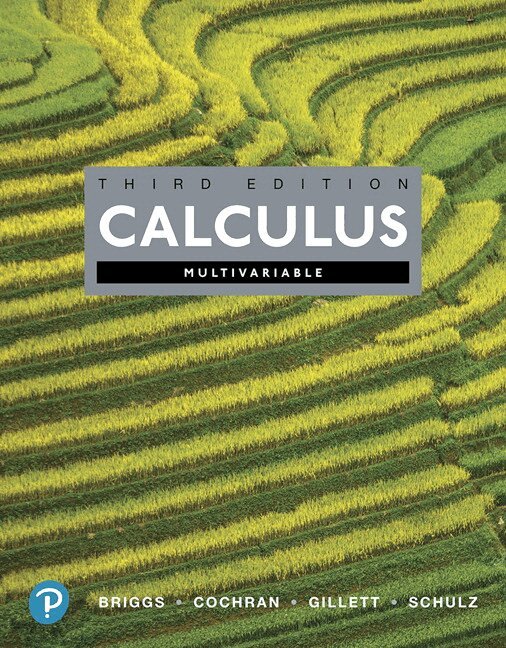
Multivariable Calculus
William Briggs, Lyle Cochran, Bernard Gillett, Eric Schulz
Häftad, 2018
1 986 kr
1 986 kr
Tillfälligt slut
For 3- to 4-semester courses covering single-variable and multivariable calculus, taken by students of mathematics, engineering, natural sciences, or economics.
The most successful new calculus text in the last two decades
The much-anticipated 3rd Edition of Briggs’ Calculus Series retains its hallmark features while introducing important advances and refinements. Briggs, Cochran, Gillett, and Schulz build from a foundation of meticulously crafted exercise sets, then draw students into the narrative through writing that reflects the voice of the instructor. Examples are stepped out and thoughtfully annotated, and figures are designed to teach rather than simply supplement the narrative. The groundbreaking eBook contains approximately 700 Interactive Figures that can be manipulated to shed light on key concepts.
For the 3rd Edition, the authors synthesized feedback on the text and MyLab™ Math content from over 140 instructors and an Engineering Review Panel. This thorough and extensive review process, paired with the authors’ own teaching experiences, helped create a text that was designed for today’s calculus instructors and students.
Also available with MyLab Math
MyLab Math is the teaching and learning platform that empowers instructors to reach every student. By combining trusted author content with digital tools and a flexible platform, MyLab Math personalizes the learning experience and improves results for each student.
Note: You are purchasing a standalone product; MyLab Math does not come packaged with this content. Students, if interested in purchasing this title with MyLab Math, ask your instructor to confirm the correct package ISBN and Course ID. Instructors, contact your Pearson representative for more information.
If you would like to purchase both the physical text and MyLab Math, search for:
William Briggs, Lyle Cochran, Bernard Gillett, Eric Schulz
Häftad, 2018
1 986 kr
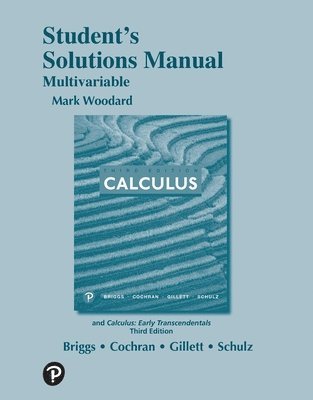
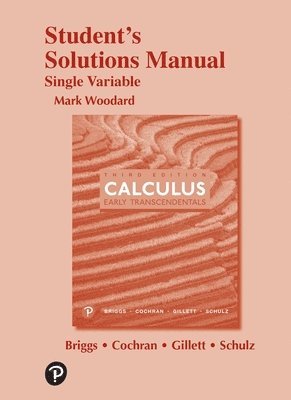
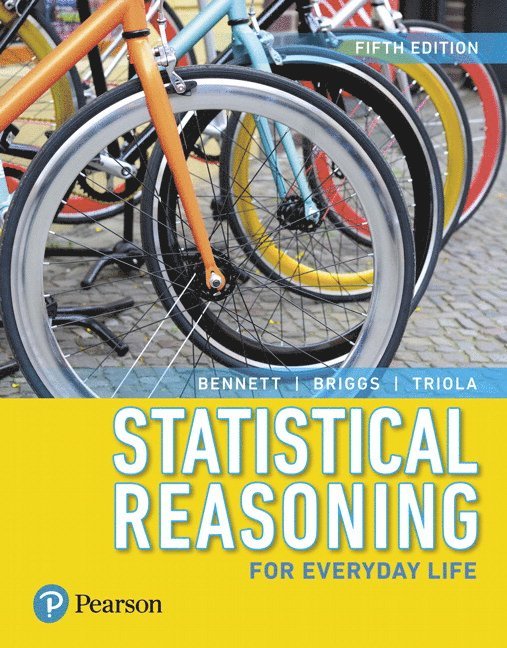
Jeff Bennett, William Briggs, Mario Triola
Häftad, 2017
2 275 kr
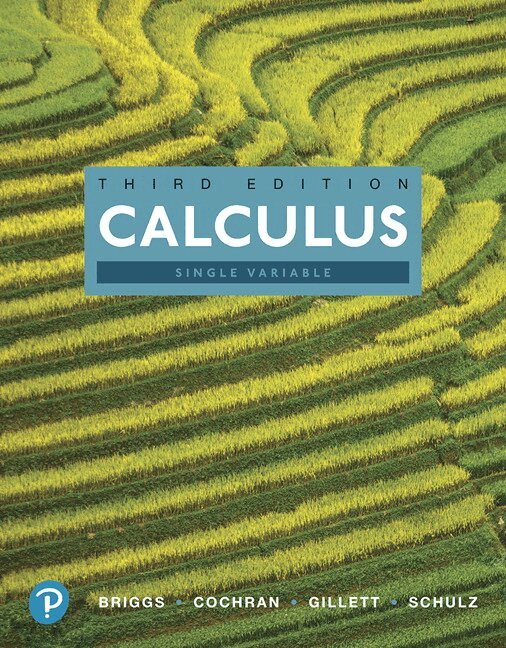
William Briggs, Lyle Cochran, Bernard Gillett, Eric Schulz
Häftad, 2018
1 986 kr
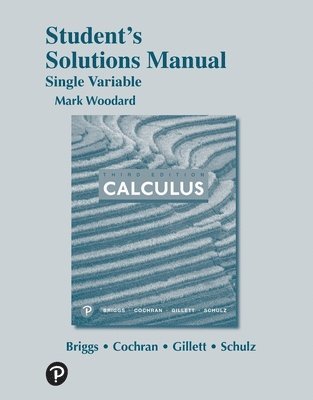
William Briggs, Lyle Cochran, Bernard Gillett, Eric Schulz
Häftad, 2018
1 356 kr

Jeffrey Bennett, William Briggs
Häftad, 2018
859 kr
William Briggs, Lyle Cochran, Bernard Gillett, Eric Schulz
1 414 kr


William Briggs, Lyle Cochran, Bernard Gillett, Eric Schulz
Häftad, 2018
1 986 kr
William Briggs, Lyle Cochran, Bernard Gillett, Eric Schulz
2 578 kr
William Briggs, Lyle Cochran, Bernard Gillett, Eric Schulz
Häftad, 2018
1 356 kr
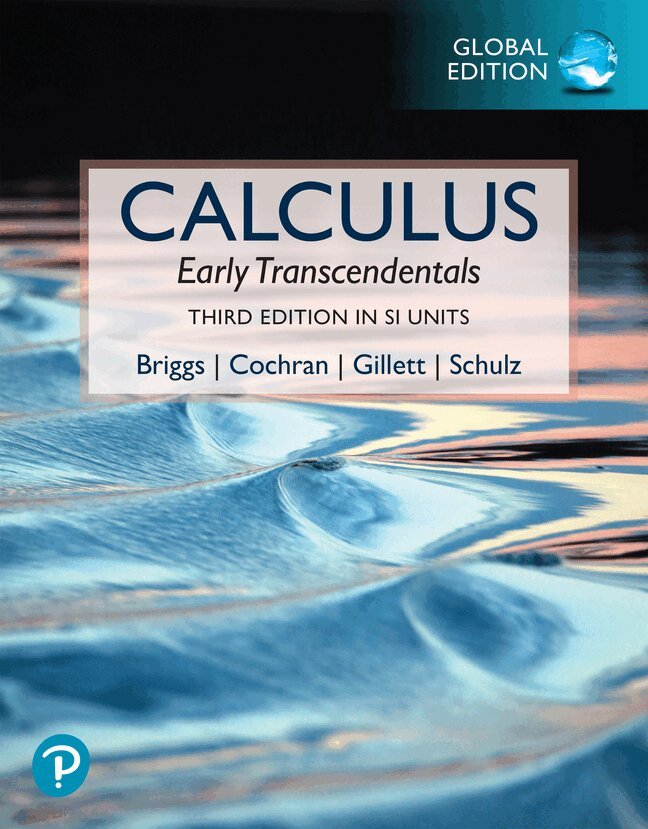
William Briggs, Lyle Cochran, Bernard Gillett, Eric Schulz
1 265 kr
William Briggs, Lyle Cochran, Bernard Gillett, Eric Schulz
1 414 kr
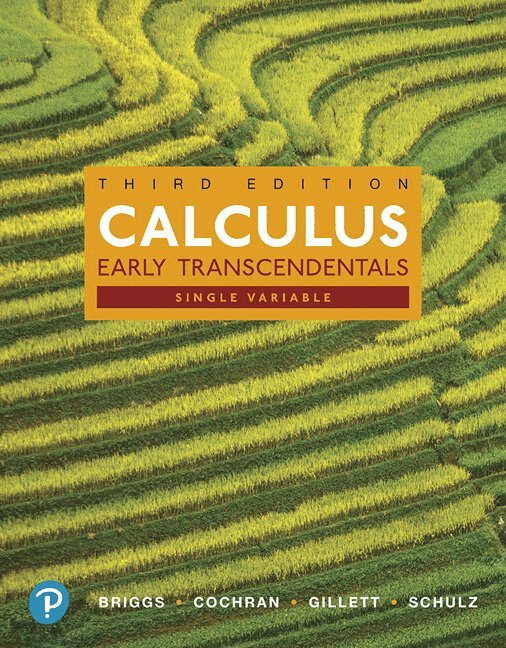
William Briggs, Lyle Cochran, Bernard Gillett, Eric Schulz
Häftad, 2018
1 986 kr
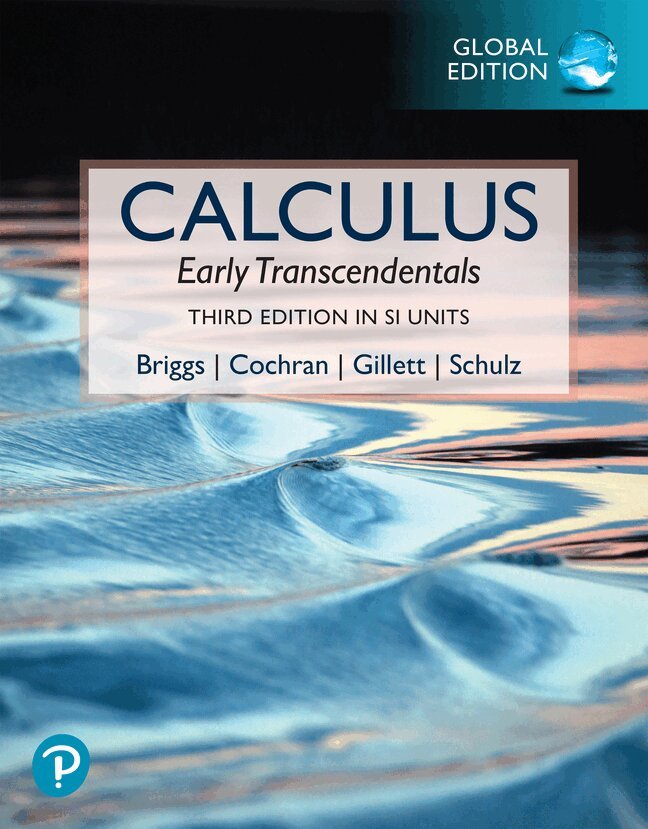
William Briggs, Lyle Cochran, Bernard Gillett, Eric Schulz
Häftad, 2026
903 kr
1 986 kr
Tillfälligt slut
For 3- to 4-semester courses covering single-variable and multivariable calculus, taken by students of mathematics, engineering, natural sciences, or economics.
The most successful new calculus text in the last two decades
The much-anticipated 3rd Edition of Briggs’ Calculus Series retains its hallmark features while introducing important advances and refinements. Briggs, Cochran, Gillett, and Schulz build from a foundation of meticulously crafted exercise sets, then draw students into the narrative through writing that reflects the voice of the instructor. Examples are stepped out and thoughtfully annotated, and figures are designed to teach rather than simply supplement the narrative. The groundbreaking eBook contains approximately 700 Interactive Figures that can be manipulated to shed light on key concepts.
For the 3rd Edition, the authors synthesized feedback on the text and MyLab™ Math content from over 140 instructors and an Engineering Review Panel. This thorough and extensive review process, paired with the authors’ own teaching experiences, helped create a text that was designed for today’s calculus instructors and students.
Also available with MyLab Math
MyLab Math is the teaching and learning platform that empowers instructors to reach every student. By combining trusted author content with digital tools and a flexible platform, MyLab Math personalizes the learning experience and improves results for each student.
Note: You are purchasing a standalone product; MyLab Math does not come packaged with this content. Students, if interested in purchasing this title with MyLab Math, ask your instructor to confirm the correct package ISBN and Course ID. Instructors, contact your Pearson representative for more information.
If you would like to purchase both the physical text and MyLab Math, search for:
William Briggs, Lyle Cochran, Bernard Gillett, Eric Schulz
Häftad, 2018
1 986 kr
Jeff Bennett, William Briggs, Mario Triola
Häftad, 2017
2 275 kr
William Briggs, Lyle Cochran, Bernard Gillett, Eric Schulz
Häftad, 2018
1 986 kr
William Briggs, Lyle Cochran, Bernard Gillett, Eric Schulz
Häftad, 2018
1 356 kr
Jeffrey Bennett, William Briggs
Häftad, 2018
859 kr
William Briggs, Lyle Cochran, Bernard Gillett, Eric Schulz
1 414 kr
William Briggs, Lyle Cochran, Bernard Gillett, Eric Schulz
Häftad, 2018
1 986 kr
William Briggs, Lyle Cochran, Bernard Gillett, Eric Schulz
2 578 kr
William Briggs, Lyle Cochran, Bernard Gillett, Eric Schulz
Häftad, 2018
1 356 kr
William Briggs, Lyle Cochran, Bernard Gillett, Eric Schulz
1 265 kr
William Briggs, Lyle Cochran, Bernard Gillett, Eric Schulz
1 414 kr
William Briggs, Lyle Cochran, Bernard Gillett, Eric Schulz
Häftad, 2018
1 986 kr
William Briggs, Lyle Cochran, Bernard Gillett, Eric Schulz
Häftad, 2026
903 kr