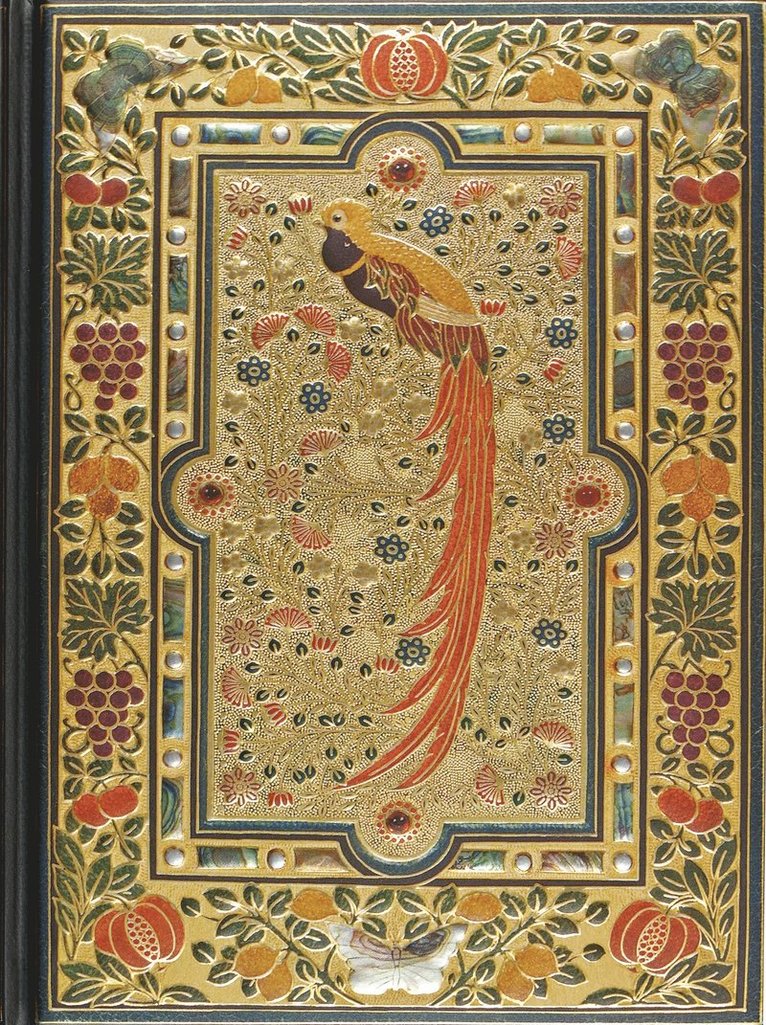
This classic of economic thought is a scathing critique of American snobbery and wastefulness. Chief among the practices that Veblen so wittily satirizes is "conspicuous consumption", a pattern of behaviour that still flourishes among us.
Thorstein Veblen (1857-1929) was a Norwegian-American sociologist and economist and a leader of the Efficiency Movement. In 1919, Veblen, along with Charles Beard, James Harvey Robinson and John Dewey, helped found the New School for Social Research (known today as New School University).Robert Lekachman was a professor of economics at Lehman College, City University of New York, and is the author of The Age of Keynes and Capitalism for Beginners.
Innehållsförteckning
The Theory of the Leisure Class - Thorstein Veblen Introduction by Robert LekachmanPrefaceChapter I: IntroductoryChapter II: Pecuniary EmulationChapter III: Conspicuous LeisureChapter IV: Conspicuous ConsumptionChapter V: The Pecuniary Standards of LivingChapter VI: Pecuniary Canons of TasteChapter VII: Dress as an Expression of the Pecuniary CultureChapter VIII: Industrial Exemption and ConservatismChapter IX: The Conservation of Archaic TraitsChapter X: Modern Survivals of ProwessChapter XI: The Belief in LuckChapter XII: Devout ObservancesChapter XIII: Survivals of the Non-Invidious InterestChapter XIV: The Higher Learning as an Expression of the Pecuniary Culture