• Fri frakt över 249 kr
  • •
  • Snabba leveranser
  • •
  • Billiga böcker
Kundservice

Du är på sajten för privatpersoner.

Företag, bibliotek eller offentlig verksamhet?

Du handlar på classic.bokus.com, där alla dina funktioner finns intakta.
Till classic.bokus.com
Bokus logotyp. Gå till startsidan.
  • Erbjudanden
  • Student
  • Topplistor
  • Barn & ungdom
  • Bokus Play
  • E-böcker
  • Ljudböcker
  • Pocketböcker
  • Spel och pussel

Pocketfynda! Hundratals böcker för 49 kr/st →

Sidfot

Mina sidor

    Hjälp

    • Kundservice
    • Vanliga frågor och svar
    • Frakt och leverans
    • Retur vid ångerrätt
    • Reklamera vara
    • Betalning
    • Köpvillkor
    • Allmänna villkor
    • Information om webbplatsens tillgänglighet

    Om Bokus

    • Om oss
    • Pressrum
    • För studenter
    • För företag
    • För bibliotek och offentlig verksamhet
    • För leverantörer
    • Hållbarhet

    Populärt

    • Aktuella erbjudanden
    • Presentkort
    • Studentlitteratur
    • Nya böcker
    • Topplistor
    • Signerade böcker
    • Engelska böcker

    Inspiration

    • Boktips
    • BookTok
    • Barnbokskaraktärer
    • Populära författare
    Logotyp för Bokus
    Följ oss på Facebook (extern länk)Följ oss på Instagram (extern länk)Följ oss på YouTube (extern länk)Följ oss på TikTok (extern länk)
    bokus @ CookiesAnpassa cookiesIntegritetspolicyKöpvillkor
    Till Citymail hemsida (extern länk)Till Budbee hemsida (extern länk)Till Postnord hemsida (extern länk)Till Schenker hemsida (extern länk)Till Early Bird hemsida (extern länk)Till Walleys hemsida (extern länk)
    1. Kultur
    2. Musikböcker
    3. Musikvetenskap

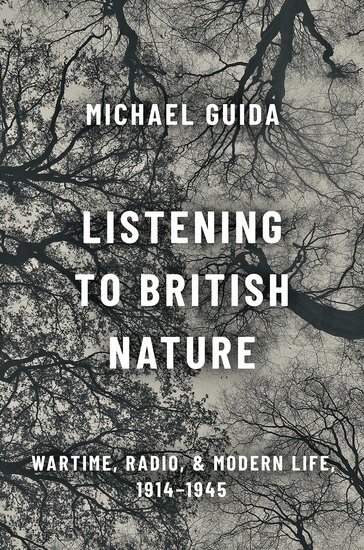
    Listening to British Nature

    Wartime, Radio, and Modern Life, 1914-1945

    AvMichael Guida

    Inbunden, Engelska, 2022

    1 116 kr

    Beställningsvara. Skickas inom 5-8 vardagar. Fri frakt över 249 kr.

    Fler format och utgåvor

    E-bok

    905 kr

    E-bok

    905 kr

    Beskrivning

    Listening to British Nature: Wartime, Radio, and Modern Life, 1914-1945 reveals for the first time how the sounds and rhythms of the natural world were listened to, interpreted and used amid the pressures of early twentieth century life. The book argues that despite and sometimes because of the chaos of wartime and the struggle to recover, nature's voices were drawn close to provide security and engender optimism. Nature's sonic presences were not obliterated by machine age noise, the advent of radio broadcasting or the rush of the urban everyday, rather they came to complement and provide alternatives to modern modes of living. This book examines how trench warfare demanded the creation of new listening cultures to understand danger and to imagine survival. It tells of the therapeutic communities who made use of nature's quietude and the rhythms of rural work to restore shell-shocked soldiers, and of ramblers who sought to immerse themselves in the sensualities of the outdoors. It reveals how home-front listening during the Blitz was punctuated by birdsong, broadcast by the BBC. To listen to nature during this period was to cultivate an intimate connection with its energies and to sense an enduring order and beauty that could be taken into the future. Listening to nature was a way of being modern.

    Produktinformation

    • Utgivningsdatum:2022-04-07
    • Mått:235 x 164 x 20 mm
    • Vikt:472 g
    • Format:Inbunden
    • Språk:Engelska
    • Antal sidor:232
    • Förlag:OUP USA
    • ISBN:9780190085537

    Utforska kategorier

    • Musikvetenskap inom Kultur
    • Övrig teknik och tillämpad vetenskap inom Naturvetenskap och teknik

    Mer om författaren

    Michael Guida is a cultural historian and a Research Associate in Media & Cultural Studies at the University of Sussex. His research concentrates on avian-human relations in modern urban Britain and recent published work has examined cultures of birdkeeping (in The Working Class at Home, 1770-1940, Palgrave) and birdsong and emotions (in The Routledge Companion to Animal-Human History).

    Recensioner i media

    Of particular interest is Guida's account of Enham Village Centre (Hampshire), a model community established to help WW I veterans reintegrate into society through engagement in an idealized model of English life, where veterans lived and worked on crafts at a preindustrial pace. Alongside wartime nostalgia for a lost world of peaceful existence in nature, however, Guida recounts the emergence of the BBC's public service broadcasting, signifying "the beginning of a new kind of national listening" and modernity.

    Innehållsförteckning

    • Introduction 1. Birdsong over the trenches: the sound of survival and escape'The air is loud with death' - listening in fear for danger Sonic relief amid the shellingRegenerative rhythms Resilience and 'carrying on' in birds and men Skyward escape with the larkConclusion 2. Pastoral quietude for shell shock and national recovery Quiet for the wounded?Country house therapyThe 'beneficent alluring quietude' of the Village Centre utopiaQuiet for national recoveryConclusion 3. Broadcasting natureJohn Reith's public service nightingaleIn touch with cosmic harmony Normalising radio with nature Conclusion 4. The rambler's search for the sensuous Re-balancing the senses Willis Marshall: into the moorsNan Shepherd's merger with the mountainA violent assertion of personality: hedonism in natureConclusion 5. Modern birdsong and civilisation at warRecording and modernising birdsong Home front listening tensions 'Consoling voices of the air': Ludwig Koch's broadcasts Birdsong civilised and civilising Conclusion Afterword AcknowledgementsNotesBibliography and sourcesIndex