E-bok, Engelska, 2004
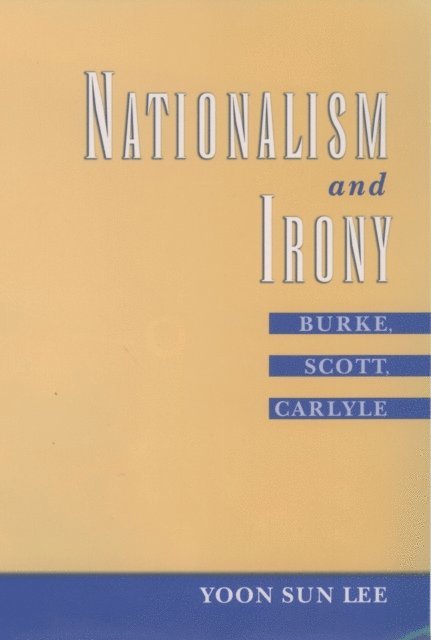
Nationalism and Irony
Av Yoon Sun Lee
654 kr
Läs direkt i Bokus Reader – eller ladda ned till din enhet
Beskrivning
Nationalism and irony are two of the most significant developments of the Romantic period, yet they have not been linked in depth before now. This study shows how Romantic nationalism in Britain explored irony''s potential as a powerful source of civic cohesion. The period''s leading conservative voices, self-consciously non-English figures such as Edmund Burke, Walter Scott, and Thomas Carlyle, accentuated rather than disguised the anomalous character of Britain''s identity, structure, and history. Their irony publicly fractured while upholding sentimental fictions of national wholeness. Britain''s politics of deference, its reverence for tradition, and its celebration of productivity all became not only targets of irony but occasions for its development as a patriotic institution. This study offers a different view of both Romantic irony and Romantic nationalism: irony is examined as an outgrowth of commercial society and as a force that holds together center and periphery, superiors and subordinates, in the culture of nationalism.
Produktinformation
- Utgivningsdatum: 2004-08-26
- Språk: Engelska
- Filformat: EPUB
- Kopieringsskydd: LCP
- ISBN: 9780190289973
- Förlag: Oxford University Press
Utforska kategorier
Betyg & recensioner
0 recensioner
Inga recensioner tillgängliga.