Inbunden, Engelska, 2023
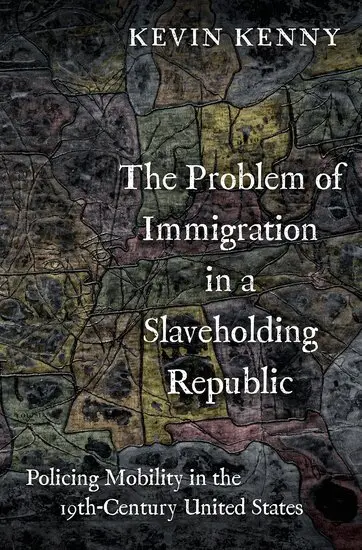
The Problem of Immigration in a Slaveholding Republic
Av Kevin Kenny
361 kr
Beställningsvara. Skickas inom 5-8 vardagar. Fri frakt över 249 kr.
Beskrivning
A powerful analysis of how regulation of the movement of enslaved and free black people produced a national immigration policy in the period between the American Revolution and the end of Reconstruction. Today the United States considers immigration a federal matter. Yet, despite America's reputation as a "nation of immigrants," the Constitution is silent on the admission, exclusion, and expulsion of foreigners. Before the Civil War, the federal government played virtually no role in regulating immigration, and states set their own terms for regulating the movement of immigrants, free blacks, and enslaved people. Insisting that it was their right and their obligation to protect the public health and safety, states passed their own laws prohibiting the arrival of foreign convicts, requiring shipmasters to post bonds or pay taxes for passengers who might become public charges, ordering the deportation of immigrant paupers, quarantining passengers who carried contagious diseases, excluding or expelling free blacks, and imprisoning black sailors. To the extent that these laws affected foreigners, they comprised the immigration policy of the United States. Offering an original interpretation of nineteenth-century America, The Problem of Immigration in a Slaveholding Republic argues that the existence, abolition, and legacies of slavery were central to the emergence of a national immigration policy. In the century after the American Revolution, states controlled mobility within and across their borders and set their own rules for community membership. Throughout the antebellum era, defenders of slavery feared that, if Congress gained control over immigration, it could also regulate the movement of free black people and the interstate slave trade. The Civil War and the abolition of slavery removed the political and constitutional obstacles to a national immigration policy, which was first directed at Chinese immigrants. Admission remained the norm for Europeans, but Chinese laborers were excluded through techniques of registration, punishment, and deportation first used against free black people in the antebellum South. To justify these measures, the Supreme Court ruled that immigration authority was inherent in national sovereignty and required no constitutional justification. The federal government continues to control admissions and exclusions today, while some states monitor and punish immigrants, and others offer sanctuary and refuse to act as agents of federal law enforcement. By revealing the tangled origins of border control, incarceration, and deportation, distinguished historian Kevin Kenny sheds light on the history of race and belonging in America, as well as the ongoing tensions between state and federal authority over immigration.
Produktinformation
- Utgivningsdatum: 2023-07-25
- Mått: 165 x 236 x 29 mm
- Vikt: 612 g
- Format: Inbunden
- Språk: Engelska
- Antal sidor: 344
- Förlag: OUP USA
- ISBN: 9780197580080
- Utmärkelser: Winner, 2024 OAH James A. Rawley Prize, Organization of American Historians Winner, 2024 Theodore Saloutos Book Award, Immigration and Ethnic History Society
Utforska kategorier
Betyg & recensioner
0 recensioner
Inga recensioner tillgängliga.