• Fri frakt över 249 kr
  • •
  • Snabba leveranser
  • •
  • Billiga böcker
Kundservice

Du är på sajten för privatpersoner.

Företag, bibliotek eller offentlig verksamhet?

Du handlar på classic.bokus.com, där alla dina funktioner finns intakta.
Till classic.bokus.com
Bokus logotyp. Gå till startsidan.
  • Erbjudanden
  • Nyheter
  • Student
  • Topplistor
  • Barn & ungdom
  • Bokus Play
  • E-böcker
  • Pocketböcker
  • Spel & pussel

Må bättre, för mindre! Upp till 50% rabatt på hälsoböcker

Sidfot

Mina sidor

    Hjälp

    • Kundservice
    • Vanliga frågor och svar
    • Frakt och leverans
    • Retur vid ångerrätt
    • Reklamera vara
    • Betalning
    • Köpvillkor
    • Allmänna villkor
    • Information om webbplatsens tillgänglighet

    Om Bokus

    • Om oss
    • Pressrum
    • För studenter
    • För företag
    • För bibliotek och offentlig verksamhet
    • För leverantörer
    • Hållbarhet

    Populärt

    • Aktuella erbjudanden
    • Presentkort
    • Studentlitteratur
    • Nya böcker
    • Topplistor
    • Signerade böcker
    • Engelska böcker

    Inspiration

    • Boktips
    • BookTok
    • Populära bokserier
    • Barnbokskaraktärer
    • Populära författare
    Logotyp för Bokus
    Följ oss på Facebook (extern länk)Följ oss på Instagram (extern länk)Följ oss på YouTube (extern länk)Följ oss på TikTok (extern länk)
    bokus @ CookiesAnpassa cookiesIntegritetspolicyKöpvillkor
    Till Citymail hemsida (extern länk)Till Budbee hemsida (extern länk)Till Postnord hemsida (extern länk)Till Schenker hemsida (extern länk)Till Early Bird hemsida (extern länk)Till Walleys hemsida (extern länk)
    1. Historia och arkeologi
    2. Historia
    3. Forntidens historia
    • Nyhet

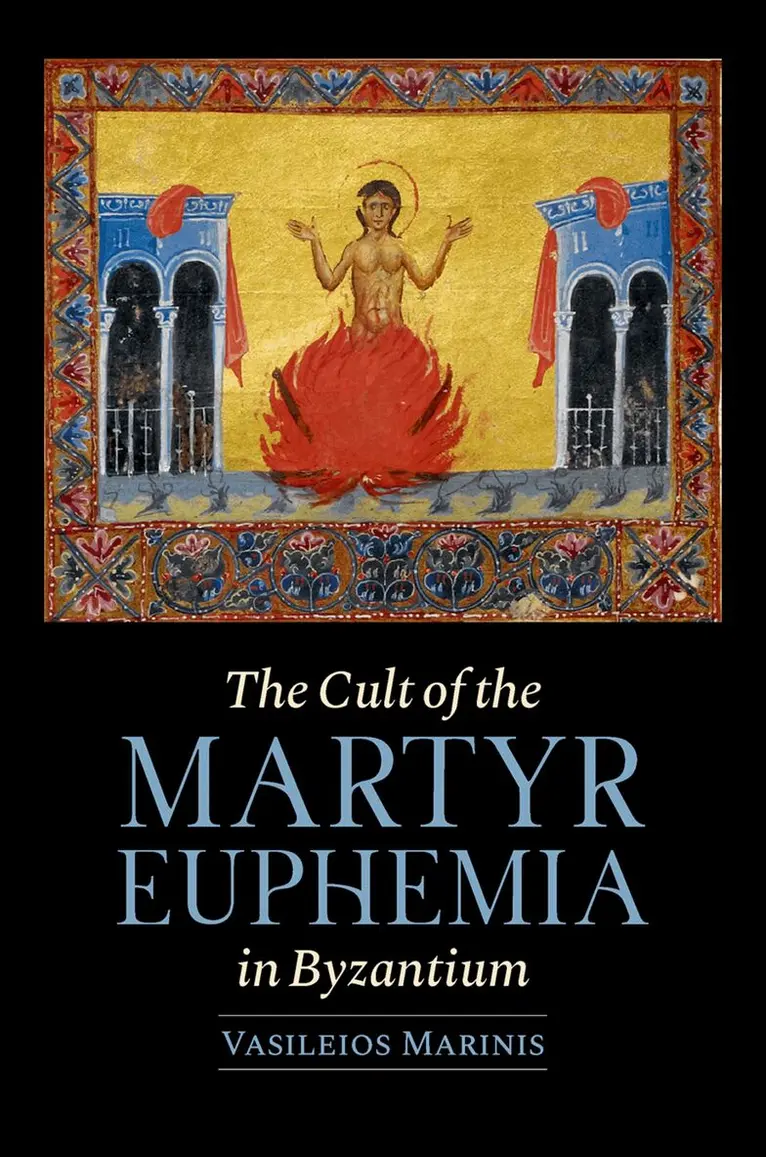
    The Cult of the Martyr Euphemia in Byzantium

    AvVasileios Marinis

    Inbunden, Engelska, 2026

    946 kr

    Beställningsvara. Skickas inom 5-8 vardagar. Fri frakt över 249 kr.

    Beskrivning

    The martyr Euphemia, a young woman who was put to death in 303 CE in Chalcedon, was one of the most popular saints in Byzantium. In addition to the complex dedicated to her in that city, consisting of a large basilica and an attached circular martyrium, there existed at least six more churches dedicated to her in Constantinople. Her hagiographical dossier is equally impressive. It includes texts that span from the fourth to the fifteenth century, and belong to such diverse genres as ekphrasis, passio, and enkomion. Euphemia was also present in crucial moments of Byzantine religious history, including the Council of Chalcedon in 451, the Persian attacks in the seventh century, and Iconoclasm. Given Euphemia's historical importance and the plethora of available literary as well as archaeological and artistic material, it is surprising that there has not been a comprehensive study of her cult in Byzantium. This book aims to remedy this situation by placing every major aspect of Euphemia's cult within a wider social, historical, and ritual context. Methodologically, it views Euphemia not as a historical personality, but as a literary, theological, and artistic construct, best understood as a hagiographical heuristic that was used (and abused) by a variety of interested groups. By emphasizing a hermeneutic approach to the discourse and representation of sanctity, this book aims to reconcile the reception of Euphemia's cult with its creation.

    Produktinformation

    • Utgivningsdatum:2026-08-27
    • Mått:165 x 239 x 18 mm
    • Vikt:503 g
    • Format:Inbunden
    • Språk:Engelska
    • Antal sidor:240
    • Förlag:OUP USA
    • ISBN:9780197580448

    Utforska kategorier

    • Forntidens historia inom Historia och arkeologi
    • Religion: allmänt inom Filosofi och religion
    • Kristendom inom Filosofi och religion

    Mer om författaren

    Vasileios Marinis is Professor of Art History and Medieval Studies at Yale University and author of Architecture and Ritual in the Churches of Constantinople, Ninth to Fifteenth Centuries and Death and the Afterlife in Byzantium.

    Innehållsförteckning

    • 1: Introduction 2: Asterios of Amaseia's Ekphrasis on the Holy Martyr Euphemia 3: Euphemia's Inviolate Body 4: The Guardian of True Beliefs 5: Relics Lost and Found: Euphemia and the Iconoclastic Controversy 6: Three Medieval Texts about Euphemia 7: Euphemia's Churches and Images 8: Conclusion