Inbunden, Engelska, 2027
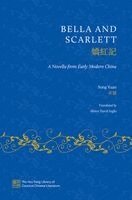
Bella and Scarlett
372 kr
Kommande
Beskrivning
Composed in the early fourteenth century, Bella and Scarlett stands at the beginning of a long and influential tradition of Chinese erotic and romantic fiction. At its center is the ill-fated love between Sterling Shen and his cousin Bella, whose maid, Scarlett, shifts from rival to confidante as she facilitates the lovers' clandestine affair. Blending emotional immediacy with a keen awareness of the period's social constraints, the story offers a vivid portrait of desire, family obligation, and the fragile negotiations that shape young romance.Bella and Scarlett inspired multiple operatic adaptations during the Ming (1368-1644) and Qing (1644-1912) dynasties. Its narrative patterns, character types, and emotional textures left a deep imprint on late imperial fiction, and later readers have often compared it to the eighteenth-century masterpiece Dream of Red Mansions, also known as Story of the Stone. Although long overshadowed by that monumental novel, Bella and Scarlett remains a crucial precursor-both for its literary innovations and for the window it opens onto the cultural values and imaginative worlds of premodern China.Alister David Inglis's elegant translation, paired with a revised version of the Chinese text, brings a foundational work of traditional literature into reach for English readers.
Produktinformation
- Utgivningsdatum: 2027-01-30
- Mått: 162 x 241 x 26 mm
- Vikt: 404 g
- Format: Inbunden
- Språk: Engelska
- Serie: The Hsu-Tang Library of Classical Chinese Literature
- Antal sidor: 180
- Förlag: OUP USA
- ISBN: 9780197583685
Utforska kategorier
Betyg & recensioner
0 recensioner
Inga recensioner tillgängliga.