• Fri frakt över 249 kr
  • •
  • Snabba leveranser
  • •
  • Billiga böcker
Kundservice

Du är på sajten för privatpersoner.

Företag, bibliotek eller offentlig verksamhet?

Du handlar på classic.bokus.com, där alla dina funktioner finns intakta.
Till classic.bokus.com
Bokus logotyp. Gå till startsidan.
  • Erbjudanden
  • Nyheter
  • Student
  • Topplistor
  • Barn & ungdom
  • Bokus Play
  • E-böcker
  • Pocketböcker
  • Spel & pussel

10% rabatt på allt med kod: NYSTART10 →

Sidfot

Mina sidor

    Hjälp

    • Kundservice
    • Vanliga frågor och svar
    • Frakt och leverans
    • Retur vid ångerrätt
    • Reklamera vara
    • Betalning
    • Köpvillkor
    • Allmänna villkor
    • Information om webbplatsens tillgänglighet

    Om Bokus

    • Om oss
    • Pressrum
    • För studenter
    • För företag
    • För bibliotek och offentlig verksamhet
    • För leverantörer
    • Hållbarhet

    Populärt

    • Aktuella erbjudanden
    • Presentkort
    • Studentlitteratur
    • Nya böcker
    • Topplistor
    • Signerade böcker
    • Engelska böcker

    Inspiration

    • Boktips
    • BookTok
    • Populära bokserier
    • Barnbokskaraktärer
    • Populära författare
    Logotyp för Bokus
    Följ oss på Facebook (extern länk)Följ oss på Instagram (extern länk)Följ oss på YouTube (extern länk)Följ oss på TikTok (extern länk)
    bokus @ CookiesAnpassa cookiesIntegritetspolicyKöpvillkor
    Till Citymail hemsida (extern länk)Till Budbee hemsida (extern länk)Till Postnord hemsida (extern länk)Till Schenker hemsida (extern länk)Till Early Bird hemsida (extern länk)Till Walleys hemsida (extern länk)
    1. Filosofi och religion
    2. Filosofi
    3. Filosofiska discipliner

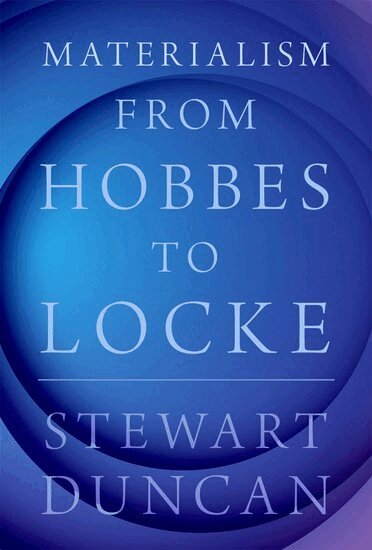
    Materialism from Hobbes to Locke

    AvStewart Duncan

    Inbunden, Engelska, 2022

    1 084 kr

    Beställningsvara. Skickas inom 5-8 vardagar. Fri frakt över 249 kr.

    Fler format och utgåvor

    E-bok

    941 kr

    E-bok

    941 kr

    Beskrivning

    Are human beings purely material creatures, or is there something else to them, an immaterial part that does some (or all) of the thinking, and might even be able to outlive the death of the body? This book is about how a series of seventeenth-century philosophers tried to answer that question. It begins by looking at the views of Thomas Hobbes, who developed a thoroughly materialist account of the human mind, and later of God as well. This is in obvious contrast to the approach of his contemporary René Descartes. After examining Hobbes's materialism, Stewart Duncan considers the views of three of his English critics: Henry More, Ralph Cudworth, and Margaret Cavendish. Both More and Cudworth thought Hobbes's materialism radically inadequate to explain the workings of the world, while Cavendish developed a distinctive, anti-Hobbesian materialism of her own. The second half of the book focuses on the discussion of materialism in John Locke's Essay concerning Human Understanding, arguing that we can better understand Locke's discussion if we see how and where he is responding to this earlier debate. At crucial points Locke draws on More and Cudworth to argue against Hobbes and other materialists. Nevertheless, Locke did a good deal to reveal how materialism was a genuinely possible view, by showing how one could develop a detailed account of the human mind without presuming it was an immaterial substance.This work probes the thought and debates that originated in the seventeenth-century yet extended far beyond it. And it offers a distinctive, new understanding of Locke's discussion of the human mind.

    Produktinformation

    • Utgivningsdatum:2022-05-25
    • Mått:218 x 150 x 27 mm
    • Vikt:386 g
    • Format:Inbunden
    • Språk:Engelska
    • Antal sidor:248
    • Förlag:OUP USA
    • ISBN:9780197613009

    Utforska kategorier

    • Filosofiska discipliner inom Filosofi och religion

    Mer om författaren

    Stewart Duncan is Associate Professor of Philosophy at the University of Florida, where he has taught since 2005. He is the author of numerous articles on Hobbes, Leibniz, and other seventeenth-century philosophers, and the editor (with Antonia LoLordo) of Debates in Modern Philosophy (Routledge, 2013).

    Recensioner i media

    In its great clarity and remarkable conciseness, the work starts from seemingly simple considerations about both classic and familiar questions, and ends up with relatively complex and subtle ones. This subtlety and this prudence are certainly in the image of Locke's thought itself. The concise and careful expression can certainly produce from time to time in the reader eager for certainties a feeling of dissatisfaction. However, taken to its conclusion, reading the work allows one to have a clear, articulated and nuanced vision of the various philosophical questions posed by the alternative between materialism and dualism, an alternative which here plays a structuring role in the construction of the arguments developed by the authors.

    Innehållsförteckning

    • "This elegant volume makes a strong case for the historical importance, and intrinsic interest, of materialism in seventeenth century English philosophy Duncan's book is an important new contribution...In conclusion: there is a welcome directness, and charity, even humility, throughout this concise volume. Duncan clearly knows his stuff; but there is no boasting or exaggerated theorizing. He hews closely to the texts and draws only modestconclusions, when no more is justified. Like Locke himself, Duncan appreciates the immense difficulty of the materialism question, and does not pronounce more than is warranted. This makes for an edifying andgenerous study, which might be returned to often by scholars and students of early modern European metaphysics." -- Philosophy in Review