E-bok, Engelska, 2025
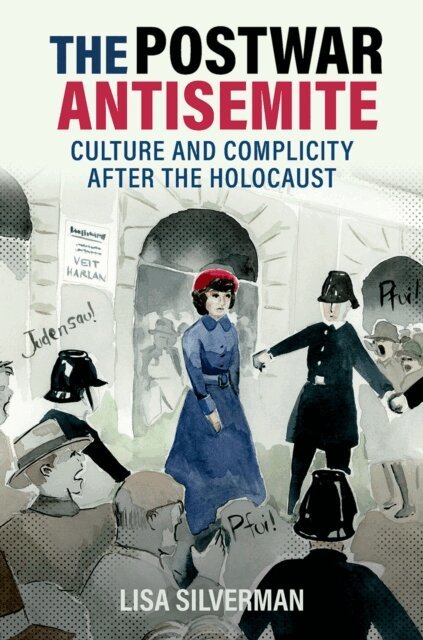
Postwar Antisemite
313 kr
Läs direkt i Bokus Reader – eller ladda ned till din enhet (PDF kräver ofta zoom och scroll på små skärmar).
Beskrivning
In his influential Anti-Semite and Jew, French philosopher Jean-Paul Sartre observed "e;If the Jew did not exist, the anti-Semite would invent him."e; In doing so he articulated the figure of an Antisemite responsible for imagining the Jew in a formulation that has lasted for decades. This figure became an indispensable trope in the period immediately after the war. It enabled Germans and Austrians to navigate a radically changed political and cultural landscape and reestablish lives upended by war by denying complicity in perpetuating antisemitic ideology. The deeply ingrained cultural practices that formed the basis for age-old prejudices against Jews persisted via coded references, taking new forms, and providing fertile ground for explicit eruptions. Decades before the Nazi persecution of the Jews would emerge as a master moral paradigm of evil in popular culture, the constructed Antisemite became part of a forceful narrative structure that allowed stereotypes about Jews to persist, even as explicit antisemitism became taboo. Lisa Silverman examines the crucial development and implications of the figural Antisemite in a range of trials, films, and texts during the first years after the end of the Second World War. She argues that, in their economically shattered, emotionally exhausted, and culturally impoverished postwar world, Austrians, Germans, and others used the Antisemite as a way to come to terms with their altered circumstances and to shape new national self-understandings. A readily recognizable and easily adaptable figure of evil, the Antisemite loomed large as a powerful and persistent trope in a wide range of artistic and cultural narratives. As a figure onto which to project or imagine as a source of the hatred of Jews, the Antisemite allowed audiences to avoid facing the implications of crimes committed by the Nazis and their accomplices and to deny the endurance of widespread and often coded antisemitic prejudices. In postwar Europe, where everyone looked to blame others for the murder and dispossession of the Jewish population, the authority to define the Antisemite as a receptacle for explicit Jew-hatred became a powerful force. As The Postwar Antisemite argues, antisemitism as a hidden code gained new force, packing stronger, more effective punches and affording its users more power. This era is critical to understanding ongoing struggles over the authority to set the parameters of antisemitism and the power and persistence of this hatred in society.
Produktinformation
- Utgivningsdatum: 2025-08-15
- Språk: Engelska
- Filformat: PDF
- Kopieringsskydd: LCP
- ISBN: 9780197697740
- Förlag: Oxford University Press
Utforska kategorier
Betyg & recensioner
0 recensioner
Inga recensioner tillgängliga.