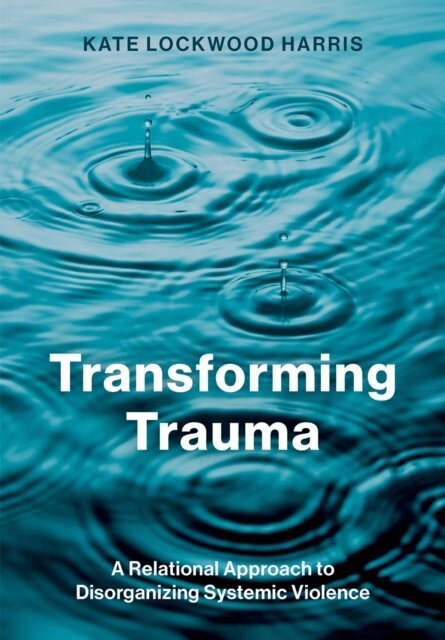
E-bok, Engelska, 2025
Transforming Trauma
975 kr
Läs direkt i Bokus Reader – eller ladda ned till din enhet (PDF kräver ofta zoom och scroll på små skärmar).
Beskrivning
Transforming Trauma emerges from contemporary, overlapping social challenges: Global losses of life and connection amidst the COVID-19 pandemic; brutal US police murders of Black and brown people followed by uprisings against systemic racism; and organizing against pervasive gender-based and sexual violence. In the wake of these historical and ongoing events, many people have experienced personal and collective trauma. Although much has been written about how individuals can resolve their personal traumas, and some literature reflects on healing collective trauma, little has been written about how organizations themselves experience trauma and can transform it. This book takes up that work.
It does so by relying on relational theories, ways of thinking/being that encompass feminist new materialism, affect theory, intersectionality, and transformative justice. Together, relational theories share this premise: the world consists not of static, separate entities, but of constantly reconfigured connections and interactions. Transformative change, it follows, comes not from “fixing†any one person or organization, but through creating better relationships. Grounded in this framework, Harris argues that abusive relational dynamics-outcomes of and contributors to misogyny, anti-queerness, white supremacy, and additional related oppressions-pattern not only dyadic interactions but also entire organizations. She shows how these organizational patterns are sometimes the result of unresolved trauma, and offers ways for organizations to shift these dynamics or, as the book''s subtitle suggests, to disorganize systemic violence.
It does so by relying on relational theories, ways of thinking/being that encompass feminist new materialism, affect theory, intersectionality, and transformative justice. Together, relational theories share this premise: the world consists not of static, separate entities, but of constantly reconfigured connections and interactions. Transformative change, it follows, comes not from “fixing†any one person or organization, but through creating better relationships. Grounded in this framework, Harris argues that abusive relational dynamics-outcomes of and contributors to misogyny, anti-queerness, white supremacy, and additional related oppressions-pattern not only dyadic interactions but also entire organizations. She shows how these organizational patterns are sometimes the result of unresolved trauma, and offers ways for organizations to shift these dynamics or, as the book''s subtitle suggests, to disorganize systemic violence.
Produktinformation
- Utgivningsdatum: 2025-10-17
- Språk: Engelska
- Filformat: PDF
- Kopieringsskydd: LCP
- ISBN: 9780197783962
- Förlag: Oxford University Press
Utforska kategorier
Betyg & recensioner
0 recensioner
Inga recensioner tillgängliga.