
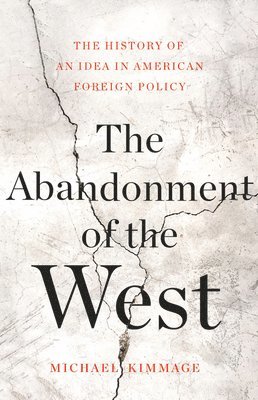
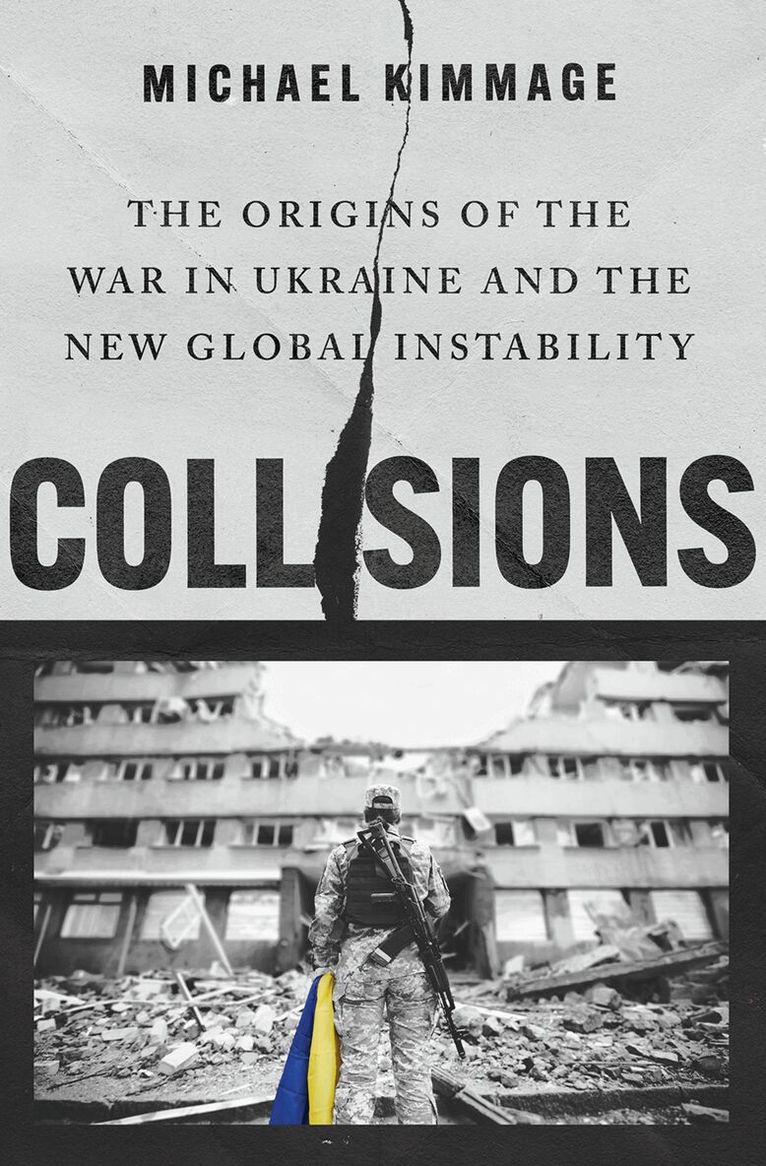
Collisions
The Origins of the War in Ukraine and the New Global Instability
Häftad, Engelska, 2027
209 kr
Kommande
Fler format och utgåvor
Beskrivning
In Collisions, historian and former State Department official Michael Kimmage offers a wide-angle, historically informed account of the origins of the Russia-Ukraine war. Tracing the development of Ukraine and Russia's fractious relationship back to the end of the Cold War, Kimmage takes readers through the central events that led to Vladimir Putin seizing a large portion of Ukraine^—^the Crimea^—^in 2014 and, eight years later, initiating arguably the most intensive military conflict of the entire post-World War II era.From the halls of power in Washington, Kyiv, and Moscow to the battlefields of Ukraine, Kimmage chronicles Putin's ascendance to the Russian presidency, delves into multiple American presidencies and their dealings with Russia and Europe, and recounts Europe's efforts to bring Ukraine closer to the European Union. He tells the story of how Ukraine went from an embattled country on the edge of Europe to a formidable military power capable of pushing back the Russian military. Just as importantly, Kimmage captures how the war has transformed multiple centers of power^—^from China to the United States^—^and dramatically altered the path of globalization itself. The war in Ukraine has shifted the direction of major macro-trends in world politics, contributing to the fragmentation of international politics, higher inflation, greater food insecurity, and the general collapse of arms control. These intersecting dangers have ushered in a new age of global instability and placed the world on the brink of a new Cold War. An authoritative interpretation of possibly the most important geopolitical event of the post-Cold War era, Collisions is essential reading for anyone interested in the origins of this epochal conflict and its ripple effects across the globe.
Produktinformation
Utforska kategorier
Recensioner i media
Hoppa över listan
Mer från samma författare
Del 165
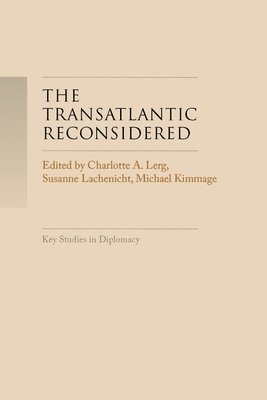
Transatlantic Reconsidered
Charlotte A. Lerg, Susanne Lachenicht, Michael Kimmage
Inbunden, 2018
1 270 kr
Hoppa över listan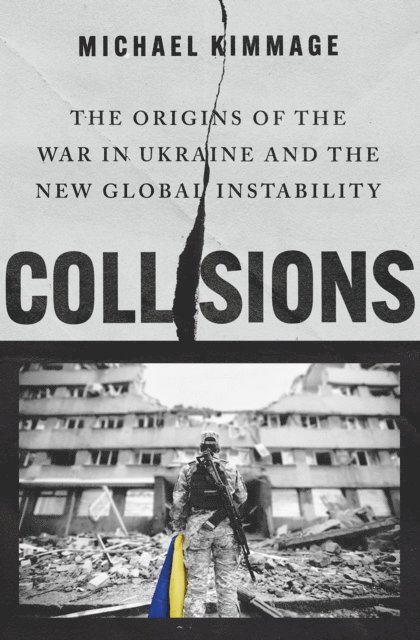
Du kanske också är intresserad av
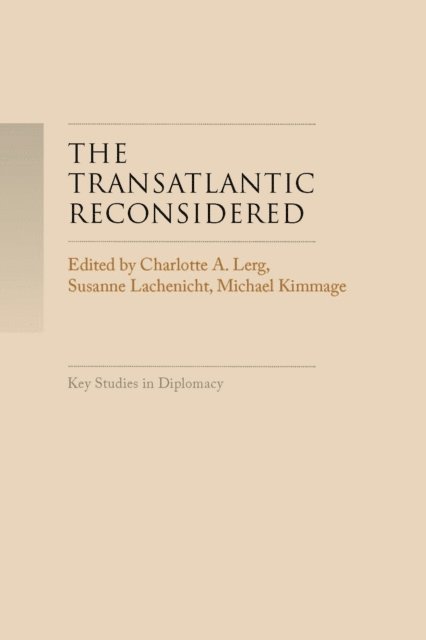
Transatlantic Reconsidered
Charlotte A. Lerg, Susanne Lachenicht, Michael Kimmage
Inbunden, 2018
1 270 kr
Del 165