• Fri frakt över 249 kr
  • •
  • Snabba leveranser
  • •
  • Billiga böcker
Kundservice

Du är på sajten för privatpersoner.

Företag, bibliotek eller offentlig verksamhet?

Du handlar på classic.bokus.com, där alla dina funktioner finns intakta.
Till classic.bokus.com
Bokus logotyp. Gå till startsidan.
  • Erbjudanden
  • Nyheter
  • Student
  • Topplistor
  • Barn & ungdom
  • Bokus Play
  • E-böcker
  • Pocketböcker
  • Spel & pussel

10% rabatt på allt med kod NYSTART10 →

Sidfot

Mina sidor

    Hjälp

    • Kundservice
    • Vanliga frågor och svar
    • Frakt och leverans
    • Retur vid ångerrätt
    • Reklamera vara
    • Betalning
    • Köpvillkor
    • Allmänna villkor
    • Information om webbplatsens tillgänglighet

    Om Bokus

    • Om oss
    • Pressrum
    • För studenter
    • För företag
    • För bibliotek och offentlig verksamhet
    • För leverantörer
    • Hållbarhet

    Populärt

    • Aktuella erbjudanden
    • Presentkort
    • Studentlitteratur
    • Nya böcker
    • Topplistor
    • Signerade böcker
    • Engelska böcker

    Inspiration

    • Boktips
    • BookTok
    • Populära bokserier
    • Barnbokskaraktärer
    • Populära författare
    Logotyp för Bokus
    Följ oss på Facebook (extern länk)Följ oss på Instagram (extern länk)Följ oss på YouTube (extern länk)Följ oss på TikTok (extern länk)
    bokus @ CookiesAnpassa cookiesIntegritetspolicyKöpvillkor
    Till Citymail hemsida (extern länk)Till Budbee hemsida (extern länk)Till Postnord hemsida (extern länk)Till Schenker hemsida (extern länk)Till Early Bird hemsida (extern länk)Till Walleys hemsida (extern länk)
    1. Ekonomi och Ledarskap
    2. Nationalekonomi
    3. Mikroekonomi

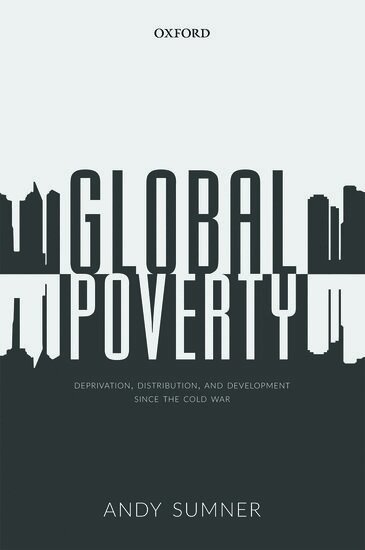
    Global Poverty

    Deprivation, Distribution, and Development Since the Cold War

    AvAndy Sumner

    Inbunden, Engelska, 2016

    876 kr

    Beställningsvara. Skickas inom 3-6 vardagar. Fri frakt över 249 kr.

    Fler format och utgåvor

    E-bok

    426 kr

    Beskrivning

    Why are some people poor? Why does absolute poverty persist despite substantial economic growth? What types of late economic development or 'catch-up' capitalism are associated with different poverty outcomes? Global Poverty addresses these apparently simple questions and the extent to which the answers may be shifting. One might expect global poverty to be focused in the world's poorest countries, usually defined as low-income countries, or least developed countries, or 'fragile states'. However, most of the world's absolute poor by monetary or multi-dimensional poverty - up to a billion people - live in growing and largely stable middle-income countries. At the same time, poverty has not fallen as much as the substantial economic growth would warrant. As a consequence, and as domestic resources have grown, much of global poverty has become less about a lack of domestic resources and more about questions of national inequality, social policy and welfare regimes, and patterns of economic development pursued.

    Produktinformation

    • Utgivningsdatum:2016-07-07
    • Mått:161 x 241 x 16 mm
    • Vikt:454 g
    • Format:Inbunden
    • Språk:Engelska
    • Antal sidor:206
    • Förlag:OUP OXFORD
    • ISBN:9780198703525

    Utforska kategorier

    • Mikroekonomi inom Ekonomi och Ledarskap
    • Internationell ekonomi inom Ekonomi och Ledarskap
    • Sociala och etiska frågor inom Samhälle och politik

    Mer om författaren

    Andy Sumner is a Reader in International Development and Co-Director of King's International Development Institute, King's College London. His research focuses on poverty theory and concepts and the causes of poverty both at a global level and with reference to Southeast Asia and Indonesia in particular. His work challenges the orthodox view that absolute poverty is necessarily minimal or 'residual' at higher levels of average per capita income. He holds associate positions at Oxford University at the Oxford Poverty and Human Development Initiative and the Center for Global Development in Washington, DC. He was UK representative and Vice President of the European Association of Development Research and Training Institutes from 2008 to 2014, and a council member of the Development Studies Association from 2000 to 2014. He has been listed in Foreign Policy Magazine's 'Top 100 Global Thinkers' and is Deputy Editor and an Editorial Board Member of Global Policy Journal.

    Recensioner i media

    Highly Recommended

    Innehållsförteckning

    • Introduction 1: Catch up Capitalism: How has the developing world changed since the end of the Cold War? 2: The Geography of Poverty: How has global poverty changed since the end of the Cold War? 3: Kuznets Revenge: Poverty, inequality, growth and structural change 4: The Poverty Paradox: Why are some people still poor? 5: Slowdown Capitalism: Is there a new middle income poverty trap? Conclusions