• Fri frakt över 249 kr
  • •
  • Snabba leveranser
  • •
  • Billiga böcker
Kundservice

Du är på sajten för privatpersoner.

Företag, bibliotek eller offentlig verksamhet?

Du handlar på classic.bokus.com, där alla dina funktioner finns intakta.
Till classic.bokus.com
Bokus logotyp. Gå till startsidan.
  • Erbjudanden
  • Nyheter
  • Student
  • Topplistor
  • Barn & ungdom
  • Bokus Play
  • E-böcker
  • Pocketböcker
  • Spel & pussel

10% rabatt på allt med kod: NYSTART10 →

Sidfot

Mina sidor

    Hjälp

    • Kundservice
    • Vanliga frågor och svar
    • Frakt och leverans
    • Retur vid ångerrätt
    • Reklamera vara
    • Betalning
    • Köpvillkor
    • Allmänna villkor
    • Information om webbplatsens tillgänglighet

    Om Bokus

    • Om oss
    • Pressrum
    • För studenter
    • För företag
    • För bibliotek och offentlig verksamhet
    • För leverantörer
    • Hållbarhet

    Populärt

    • Aktuella erbjudanden
    • Presentkort
    • Studentlitteratur
    • Nya böcker
    • Topplistor
    • Signerade böcker
    • Engelska böcker

    Inspiration

    • Boktips
    • BookTok
    • Populära bokserier
    • Barnbokskaraktärer
    • Populära författare
    Logotyp för Bokus
    Följ oss på Facebook (extern länk)Följ oss på Instagram (extern länk)Följ oss på YouTube (extern länk)Följ oss på TikTok (extern länk)
    bokus @ CookiesAnpassa cookiesIntegritetspolicyKöpvillkor
    Till Citymail hemsida (extern länk)Till Budbee hemsida (extern länk)Till Postnord hemsida (extern länk)Till Schenker hemsida (extern länk)Till Early Bird hemsida (extern länk)Till Walleys hemsida (extern länk)
    1. Historia och arkeologi
    2. Historia
    3. Europas historia

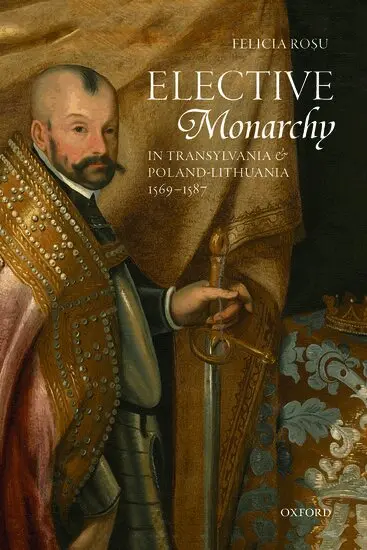
    Elective Monarchy in Transylvania and Poland-Lithuania, 1569-1587

    AvFelicia Rosu

    Inbunden, Engelska, 2017

    1 940 kr

    Beställningsvara. Skickas inom 5-8 vardagar. Fri frakt över 249 kr.

    Fler format och utgåvor

    E-bok

    1 280 kr

    E-bok

    1 280 kr

    Beskrivning

    This book is an examination of why and how the elective principle, already established in Transylvanian and Polish political culture in the late medieval period, was transformed in the early elections of the 1570s. In this period, the two polities adopted constitutional arrangements different in depth and scope but based on the same fundamental principles: elective thrones, state-sanctioned religious pluralism, and constitutional guarantees for the right of disobedience. There were important variations in their regulation and application, but Transylvania and the newly created Polish-Lithuanian Commonwealth had one essential thing in common: they were the only two polities in early modern Europe whose political systems secured the succession of their rulers through large-scale elections in which the dynastic principle, although still important, was not binding.

    Produktinformation

    • Utgivningsdatum:2017-12-07
    • Mått:164 x 242 x 22 mm
    • Vikt:512 g
    • Format:Inbunden
    • Språk:Engelska
    • Antal sidor:240
    • Förlag:OUP OXFORD
    • ISBN:9780198789376

    Utforska kategorier

    • Europas historia inom Historia och arkeologi
    • Historia: pesten, sjukdomar, svält inom Historia och arkeologi

    Mer om författaren

    Felicia Rosu is a lecturer in history at Leiden University, where she teaches courses on historiography and early modern European politics, religion, and slavery. Her research so far has focused on the political culture and constitutional history of East Central Europe in the sixteenth and seventeenth centuries, and the frontier zone between Europe and the Ottoman Empire.

    Recensioner i media

    This excellent study illuminates the political culture of early modern elective monarchies through the examples of the Polish-Lithuanian Commonwealth and Transylvanian principality. ... Rosư has consulted a very impressive range of archival and printed sources in a variety of languages to provide a clear and authoritative account of complex terrain that will be unfamiliar to many readers.

    Innehållsförteckning

    • Introduction 1: Choosing to Elect 2: Campaigning 3: Voting 4: Contract 5: Authority Conclusions