• Fri frakt över 249 kr
  • •
  • Snabba leveranser
  • •
  • Billiga böcker
Kundservice

Du är på sajten för privatpersoner.

Företag, bibliotek eller offentlig verksamhet?

Du handlar på classic.bokus.com, där alla dina funktioner finns intakta.
Till classic.bokus.com
Bokus logotyp. Gå till startsidan.
  • Erbjudanden
  • Nyheter
  • Student
  • Topplistor
  • Barn & ungdom
  • Bokus Play
  • E-böcker
  • Pocketböcker
  • Spel & pussel

10% rabatt på allt med kod: NYSTART10 →

Sidfot

Mina sidor

    Hjälp

    • Kundservice
    • Vanliga frågor och svar
    • Frakt och leverans
    • Retur vid ångerrätt
    • Reklamera vara
    • Betalning
    • Köpvillkor
    • Allmänna villkor
    • Information om webbplatsens tillgänglighet

    Om Bokus

    • Om oss
    • Pressrum
    • För studenter
    • För företag
    • För bibliotek och offentlig verksamhet
    • För leverantörer
    • Hållbarhet

    Populärt

    • Aktuella erbjudanden
    • Presentkort
    • Studentlitteratur
    • Nya böcker
    • Topplistor
    • Signerade böcker
    • Engelska böcker

    Inspiration

    • Boktips
    • BookTok
    • Populära bokserier
    • Barnbokskaraktärer
    • Populära författare
    Logotyp för Bokus
    Följ oss på Facebook (extern länk)Följ oss på Instagram (extern länk)Följ oss på YouTube (extern länk)Följ oss på TikTok (extern länk)
    bokus @ CookiesAnpassa cookiesIntegritetspolicyKöpvillkor
    Till Citymail hemsida (extern länk)Till Budbee hemsida (extern länk)Till Postnord hemsida (extern länk)Till Schenker hemsida (extern länk)Till Early Bird hemsida (extern länk)Till Walleys hemsida (extern länk)
    1. Filosofi och religion
    2. Religion och tro
    3. Religion: allmänt

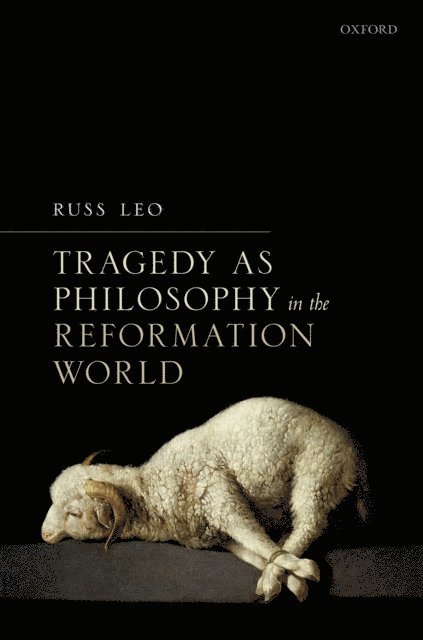
    Tragedy as Philosophy in the Reformation World

    AvRuss Leo

    Inbunden, Engelska, 2019

    2 058 kr

    Beställningsvara. Skickas inom 5-8 vardagar. Fri frakt över 249 kr.

    Fler format och utgåvor

    E-bok

    1 429 kr

    E-bok

    1 429 kr

    Beskrivning

    Tragedy as Philosophy in the Reformation World examines how sixteenth- and seventeenth-century poets, theologians, and humanist critics turned to tragedy to understand providence and agencies human and divine in the crucible of the Reformation. Rejecting familiar assumptions about tragedy, vital figures like Philipp Melanchthon, David Pareus, Lodovico Castelvetro, John Rainolds, and Daniel Heinsius developed distinctly philosophical ideas of tragedy, irreducible to drama or performance, inextricable from rhetoric, dialectic, and metaphysics. In its proximity to philosophy, tragedy afforded careful readers crucial insight into causality, probability, necessity, and the terms of human affect and action. With these resources at hand, poets and critics produced a series of daring and influential theses on tragedy between the 1550s and the 1630s, all directly related to pressing Reformation debates concerning providence, predestination, faith, and devotional practice. Under the influence of Aristotle's Poetics, they presented tragedy as an exacting forensic tool, enabling attentive readers to apprehend totality. And while some poets employed tragedy to render sacred history palpable with new energy and urgency, others marshalled a precise philosophical notion of tragedy directly against spectacle and stage-playing, endorsing anti-theatrical theses on tragedy inflected by the antique Poetics. In other words, this work illustrates the degree to which some of the influential poets and critics in the period, emphasized philosophical precision at the expense of--even to the exclusion of--dramatic presentation. In turn, the work also explores the impact of scholarly debates on more familiar works of vernacular tragedy, illustrating how William Shakespeare's Hamlet and John Milton's 1671 poems take shape in conversation with philosophical and philological investigations of tragedy. Tragedy as Philosophy in the Reformation World demonstrates how Reformation took shape in poetic as well as theological and political terms while simultaneously exposing the importance of tragedy to the history of philosophy.

    Produktinformation

    • Utgivningsdatum:2019-01-29
    • Mått:162 x 243 x 22 mm
    • Vikt:586 g
    • Format:Inbunden
    • Språk:Engelska
    • Antal sidor:312
    • Förlag:OUP OXFORD
    • ISBN:9780198834212

    Utforska kategorier

    • Religion: allmänt inom Filosofi och religion
    • Filosofi inom Filosofi och religion
    • Litteraturvetenskap inom Skönlitteratur

    Mer om författaren

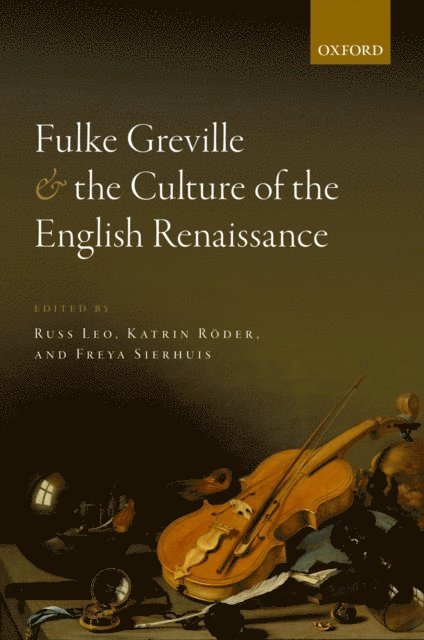
    Russ Leo is an Assistant Professor in the English Department at Princeton University. After receiving his PhD from the Program in Literature at Duke University he held a Perkins-Cotsen Postdoctoral Fellowship in the Society of Fellows at Princeton University. His articles have appeared in such academic journals as SEL: Studies in English Literature 1500-1900, Comparative Literature, Milton Studies, and the Journal of Medieval and Early Modern Studies as well as in edited collections such as The Oxford Handbook of the Early Modern Bible (edited by Kevin Kileen, Helen Smith, and Rachel Willie; OUP, 2015) and The Young Spinoza (edited by Yitzhak Y. Melamed; OUP, 2015). He is an editor (with Katrin Röder and Freya Sierhuis) of The Measure of the Mind: Fulke Greville and the Literary Culture of the English Renaissance (OUP, forthcoming).

    Recensioner i media

    Leo's TPRW offers a selection of insightful analyses that could interest a range of scholars in different fields, including reception history of the Bible and of Aristotle, historical theology, history of philosophy, history of the Protestant Reformation, literary criticism, and hermeneutics, and it may even help a tragedian or two. There is so much of value here.

    Innehållsförteckning

    • Introduction--Tragedy's Intellectual Resources Part I [Protasis] Tragedy and Theology 1: Reformation Tragedy and Revelation: David Pareus' Tragic Typology 2: Lodovico Castelvetro's Heterodox Poetics: Tragic Accommodation 3: John Rainolds, Hamlet, and the Anti-Theatrical Aristotle Part II [Epitasis] Tragedy and the Limits of Philosophy 4: Necessity, Between Tragedy and Predestination: Daniel Heinsius and De tragoediae constitutione (1611) 5: Greek Tragedy and Hebrew Antiquity in John Milton's 1671 Poems Conclusion [Catastrophe]