• Fri frakt över 249 kr
  • •
  • Snabba leveranser
  • •
  • Billiga böcker
Kundservice

Du är på sajten för privatpersoner.

Företag, bibliotek eller offentlig verksamhet?

Du handlar på classic.bokus.com, där alla dina funktioner finns intakta.
Till classic.bokus.com
Bokus logotyp. Gå till startsidan.
  • Erbjudanden
  • Nyheter
  • Student
  • Topplistor
  • Barn & ungdom
  • Bokus Play
  • E-böcker
  • Pocketböcker
  • Spel & pussel

10% rabatt på allt med kod: NYSTART10 →

Sidfot

Mina sidor

    Hjälp

    • Kundservice
    • Vanliga frågor och svar
    • Frakt och leverans
    • Retur vid ångerrätt
    • Reklamera vara
    • Betalning
    • Köpvillkor
    • Allmänna villkor
    • Information om webbplatsens tillgänglighet

    Om Bokus

    • Om oss
    • Pressrum
    • För studenter
    • För företag
    • För bibliotek och offentlig verksamhet
    • För leverantörer
    • Hållbarhet

    Populärt

    • Aktuella erbjudanden
    • Presentkort
    • Studentlitteratur
    • Nya böcker
    • Topplistor
    • Signerade böcker
    • Engelska böcker

    Inspiration

    • Boktips
    • BookTok
    • Populära bokserier
    • Barnbokskaraktärer
    • Populära författare
    Logotyp för Bokus
    Följ oss på Facebook (extern länk)Följ oss på Instagram (extern länk)Följ oss på YouTube (extern länk)Följ oss på TikTok (extern länk)
    bokus @ CookiesAnpassa cookiesIntegritetspolicyKöpvillkor
    Till Citymail hemsida (extern länk)Till Budbee hemsida (extern länk)Till Postnord hemsida (extern länk)Till Schenker hemsida (extern länk)Till Early Bird hemsida (extern länk)Till Walleys hemsida (extern länk)
    1. Juridik
    2. Rättsvetenskap
    3. Lag och samhälle

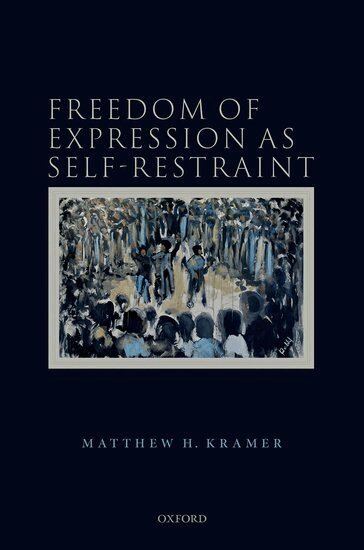
    Freedom of Expression as Self-Restraint

    AvMatthew H. Kramer

    Inbunden, Engelska, 2021

    1 690 kr

    Beställningsvara. Skickas inom 5-8 vardagar. Fri frakt över 249 kr.

    Fler format och utgåvor

    E-bok

    1 470 kr

    E-bok

    1 470 kr

    Beskrivning

    Freedom of Expression as Self-Restraint provides a novel justificatory foundation for the principle of freedom of expression. As the book argues, such a principle is absolute in that it is exceptionless; it imposes general duties that are binding always and everywere on every system of governance.In addition to injecting a new level of philosophical sophistication into the debates over freedom of expression, the book ties the principle to an ideal of governmental self-restraint, and it shows how that ideal connects to the paramount moral responsibility of every system of governance: the responsibility to bring about the political, social, and economic conditions under which every member of society can be warranted in harbouring an ample sense of self-respect. In short, compliance by a system of governance with the principle of freedom of expression is integral to the fulfilment of that paramount responsibility.

    Produktinformation

    • Utgivningsdatum:2021-03-15
    • Mått:166 x 241 x 26 mm
    • Vikt:706 g
    • Format:Inbunden
    • Språk:Engelska
    • Antal sidor:368
    • Förlag:OUP OXFORD
    • ISBN:9780198868651
    • Utmärkelser:Shortlisted, 2023 Mackenzie Book Prize, Political Studies Association

    Utforska kategorier

    • Lag och samhälle inom Juridik
    • Mänskliga och medborgerliga rättigheter inom Juridik
    • Juridik: metod och teori inom Juridik

    Mer om författaren

    Matthew H. Kramer is Professor of Legal and Political Philosophy at the University of Cambridge, and is a Fellow of Churchill College, Cambridge. He is the Director of the Cambridge Forum for Legal & Political Philosophy, and he has been a Fellow of the British Academy since 2014. He is the author of 16 previous books and co-editor of 4 additional books.

    Innehållsförteckning

    • 1: Introduction: Philosophical Preliminaries 2: Components of a Theory of Freedom of Expression 3: Legitimate Restrictions 4: Governmental Self-Restraint and Individual Self-Respect 5: Pornography, Subordination, and Silencing 6: Hatred, Dignity, and Freedom of Expression 7: Conclusion: The Principle of Freedom of Expression in Practice