Inbunden, Engelska, 2026
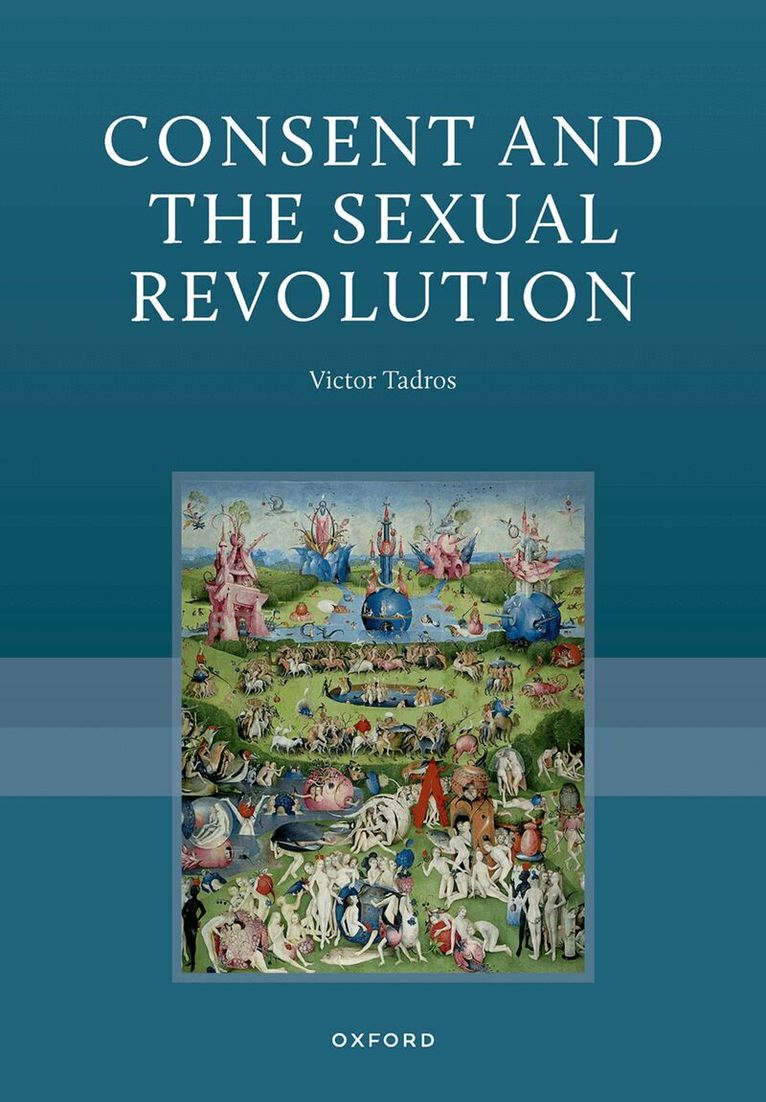
Consent and the Sexual Revolution
1319 kr
Kommande
Beskrivning
In Consent and the Sexual Revolution, Victor Tadros explores the role of consent in sexual justice by drawing on the ideals of the sexual revolution. He provides an account of two ambitions that are at the heart of the revolution: the ambition to secure sexual liberty by challenging conservative norms that restrict sexual choice, and the ambition to challenge unjust uses of sexual power, discourse, and ideology that problematically influence sexual choices. Tadros analyzes consent as a normative power and examines how consent is given, including a challenge to the significance of unjust sexual discourse in shaping the force of consent. Further, he defends the central role of consent in sexual ethics against critics who claim that consent operates too unilaterally and positions consent-givers^—especially women^—as passive recipients of sex. In response, Tadros emphasizes the value of consent as a distinctive means of realizing sexual autonomy.Consent and the Sexual Revolution offers a comprehensive examination of how consent may be made invalid by coercion, constraints on freedom, error, deception, and lack of capacity, while also considering how inequality and sexual injustice bear on the validity of consent. Building on this analysis, it develops a broader account of sexual consent under conditions of injustice and addresses the role of consent in defining the aims of the sexual revolution as a project directed at confronting sexual inequality.
Produktinformation
- Utgivningsdatum: 2026-11-18
- Mått: 156 x 234 x undefined mm
- Format: Inbunden
- Språk: Engelska
- Antal sidor: 336
- Förlag: OUP OXFORD
- ISBN: 9780198904403
Utforska kategorier
Betyg & recensioner
0 recensioner
Inga recensioner tillgängliga.