• Fri frakt över 249 kr
  • •
  • Snabba leveranser
  • •
  • Billiga böcker
Kundservice

Du är på sajten för privatpersoner.

Företag, bibliotek eller offentlig verksamhet?

Du handlar på classic.bokus.com, där alla dina funktioner finns intakta.
Till classic.bokus.com
Bokus logotyp. Gå till startsidan.
  • Erbjudanden
  • Student
  • Topplistor
  • Barn & ungdom
  • Bokus Play
  • E-böcker
  • Ljudböcker
  • Pocketböcker
  • Spel och pussel

5% studentrabatt – använd koden KURSBOK27 →

Sidfot

Mina sidor

    Hjälp

    • Kundservice
    • Vanliga frågor och svar
    • Frakt och leverans
    • Retur vid ångerrätt
    • Reklamera vara
    • Betalning
    • Köpvillkor
    • Allmänna villkor
    • Information om webbplatsens tillgänglighet

    Om Bokus

    • Om oss
    • Pressrum
    • För studenter
    • För företag
    • För bibliotek och offentlig verksamhet
    • För leverantörer
    • Hållbarhet

    Populärt

    • Aktuella erbjudanden
    • Presentkort
    • Studentlitteratur
    • Nya böcker
    • Topplistor
    • Signerade böcker
    • Engelska böcker

    Inspiration

    • Boktips
    • BookTok
    • Barnbokskaraktärer
    • Populära författare
    Logotyp för Bokus
    Följ oss på Facebook (extern länk)Följ oss på Instagram (extern länk)Följ oss på YouTube (extern länk)Följ oss på TikTok (extern länk)
    bokus @ CookiesAnpassa cookiesIntegritetspolicyKöpvillkor
    Till Citymail hemsida (extern länk)Till Budbee hemsida (extern länk)Till Postnord hemsida (extern länk)Till Schenker hemsida (extern länk)Till Early Bird hemsida (extern länk)Till Walleys hemsida (extern länk)
    1. Kultur
    2. Konstböcker
    3. Konsthistoria

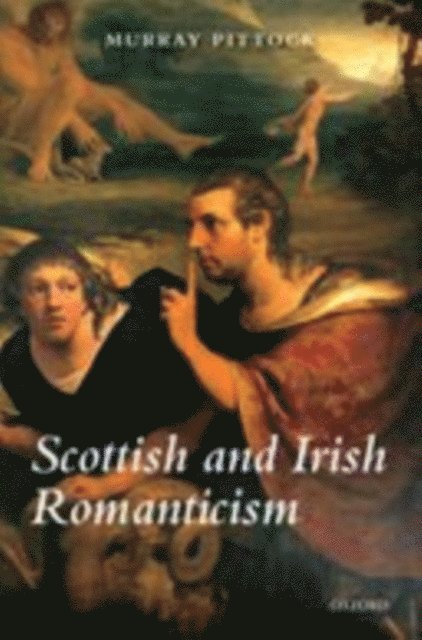
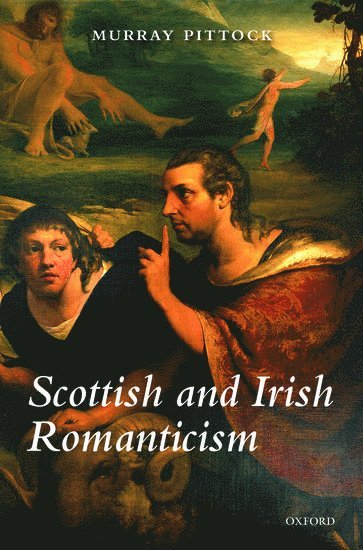
    Scottish and Irish Romanticism

    AvMurray Pittock

    Inbunden, Engelska, 2008

    2 320 kr

    Beställningsvara. Skickas inom 5-8 vardagar. Fri frakt över 249 kr.

    Fler format och utgåvor

    E-bok

    672 kr

    E-bok

    672 kr

    Häftad

    911 kr

    Beskrivning

    Scottish and Irish Romanticism is the first single-author book to address the main non-English Romanticisms of the British Isles. Murray Pittock begins by questioning the terms of his chosen title as he searches for a definition of Romanticism and for the meaning of 'national literature'. He proposes certain determining 'triggers' for the recognition of the presence of a national literature, and also deals with two major problems which are holding back the development of a new and broader understanding of British Isles Romanticisms: the survival of outdated assumptions in ostensibly more modern paradigms, and a lack of understanding of the full range of dialogues and relationships across the literatures of these islands. The theorists whose works chiefly inform the book are Bakhtin, Fanon and Habermas, although they do not define its arguments, and an alertness to the ways in which other literary theories inform each other is present throughout the book.Pittock examines in turn the historiography, prejudices, and assumptions of Romantic criticism to date, and how our unexamined prejudices still stand in the way of our understanding of individual traditions and the dialogues between them. He then considers Allan Ramsay's role in song-collecting, hybridizing high cultural genres with broadside forms, creating in synthetic Scots a 'language really used by men', and promoting a domestic public sphere. Chapters 3 and 4 discuss the Scottish and Irish public spheres in the later eighteenth century, together with the struggle for control over national pasts, and the development of the cults of Romance, the Picturesque and Sentiment: Macpherson, Thomson, Owenson and Moore are among the writers discussed. Chapter 5 explores the work of Robert Fergusson and his contemporaries in both Scotland and Ireland, examining questions of literary hybridity across not only national but also linguistic borders, while Chapter 6 provides a brief literary history of Burns' descent into critical neglect combined with a revaluation of his poetry in the light of the general argument of the book. Chapter 7 analyzes the complexities of the linguistic and cultural politics of the national tale in Ireland through the work of Maria Edgeworth, while the following chapter considers of Scott in relation to the national tale, Enlightenment historiography, and the European nationalities question. Chapter 9 looks at the importance of the Gothic in Scottish and Irish Romanticism, particularly in the work of James Hogg and Charles Maturin, while Chapter 10, 'Fratriotism', explores a new concept in the manner in which Scottish and Irish literary, political and military figures of the period related to Empire.

    Produktinformation

    • Utgivningsdatum:2008-01-24
    • Mått:164 x 240 x 21 mm
    • Vikt:603 g
    • Format:Inbunden
    • Språk:Engelska
    • Antal sidor:306
    • Förlag:OUP OXFORD
    • ISBN:9780199232796

    Utforska kategorier

    • Konsthistoria inom Kultur
    • Litteraturvetenskap inom Skönlitteratur

    Mer om författaren

    Murray Pittock is Professor of Scottish and Romantic literature at the University of Manchester and a Fellow of the Royal Society of Edinburgh; he previously held the Chair in Literature at the University of Strathclyde. His research on Romanticism, Jacobitism, and national identity is internationally recognized: his most recent publications include The Reception of Scott in Europe (2007) and the co-edited Edinburgh History of Scottish Literature (2006). A previous holder of the British Academy Chatterton lectureship in poetry and the Royal Society of Edinburgh's BP Humanities Research Prize, he is planning a series of events to celebrate the 250th anniversary of Burns' birth in 2009.

    Recensioner i media

    It is difficult to do justice in a short review to a work of the depth and complexity of Scottish and Irish Romanticism ... this magisterial, intricate book is an important and nuanced challenge to the postwar version of literary Romanticism.

    Innehållsförteckning

    • Preface ; 1. The Lake Isle of Romanticism: The Challenge to Literary History ; 2. Allan Ramsay and the Decolonization of Genre ; 3. Romance, the Aeolian Harp and the Theft of History ; 4. Strumming and Being Hanged: the Irish Bard and History Regained ; 5. Robert Fergusson and his Scottish and Irish Contemporaries ; 6. Robert Burns ; 7. Maria Edgeworth's National Tale ; 8. Scott and the European Nationalities Question ; 9. Hogg, Maturin, and the Gothic National Tale ; 10. Fratriotism: Sisters, Brothers, Empire and its Limits in the Scottish and Irish Imagination, c.1746-1837 ; Bibliography