• Fri frakt över 249 kr
  • •
  • Snabba leveranser
  • •
  • Billiga böcker
Kundservice

Du är på sajten för privatpersoner.

Företag, bibliotek eller offentlig verksamhet?

Du handlar på classic.bokus.com, där alla dina funktioner finns intakta.
Till classic.bokus.com
Bokus logotyp. Gå till startsidan.
  • Erbjudanden
  • Student
  • Topplistor
  • Barn & ungdom
  • Bokus Play
  • E-böcker
  • Ljudböcker
  • Pocketböcker
  • Spel och pussel

5% studentrabatt – använd koden KURSBOK27 →

Sidfot

Mina sidor

    Hjälp

    • Kundservice
    • Vanliga frågor och svar
    • Frakt och leverans
    • Retur vid ångerrätt
    • Reklamera vara
    • Betalning
    • Köpvillkor
    • Allmänna villkor
    • Information om webbplatsens tillgänglighet

    Om Bokus

    • Om oss
    • Pressrum
    • För studenter
    • För företag
    • För bibliotek och offentlig verksamhet
    • För leverantörer
    • Hållbarhet

    Populärt

    • Aktuella erbjudanden
    • Presentkort
    • Studentlitteratur
    • Nya böcker
    • Topplistor
    • Signerade böcker
    • Engelska böcker

    Inspiration

    • Boktips
    • BookTok
    • Barnbokskaraktärer
    • Populära författare
    Logotyp för Bokus
    Följ oss på Facebook (extern länk)Följ oss på Instagram (extern länk)Följ oss på YouTube (extern länk)Följ oss på TikTok (extern länk)
    bokus @ CookiesAnpassa cookiesIntegritetspolicyKöpvillkor
    Till Citymail hemsida (extern länk)Till Budbee hemsida (extern länk)Till Postnord hemsida (extern länk)Till Schenker hemsida (extern länk)Till Early Bird hemsida (extern länk)Till Walleys hemsida (extern länk)
    1. Juridik
    2. Särskilda rättsområden
    3. Författningsrätt och förvaltningsrätt

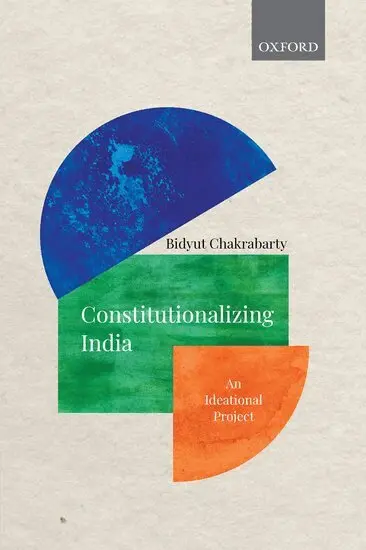
    Constitutionalizing India

    An Ideational Project

    AvBidyut Chakrabarty

    Inbunden, Engelska, 2018

    438 kr

    Beställningsvara. Skickas inom 5-8 vardagar. Fri frakt över 249 kr.

    Beskrivning

    Contrary to the assumption that the 1950 Constitution of India is a verbatim reproduction of the 1935 Government of India Act, the book pursues the argument that it is an outcome of ideational battle since the beginning of institutionalized British rule in India in the mid-eighteenth century. Initiated by Edmund Burke, who while impeaching the British ruler of India, Warren Hastings, strongly argued, in a rather paternalistic fashion, for the colonizers to govern India in accordance with the enlightenment values. It was a beginning which was followed as a matter of principle by the successive British administrations in India. The influence gradually became so well-entrenched that Indian nationalists were voluntarily drawn to the values that the Enlightenment Philosophy had transmitted while administering India. It was evident in the ideas of the moderate extremist nationalists, which were also imbibed by Mahatma Gandhi and B.R. Ambedkar when they articulated their vision for an independent India.

    Produktinformation

    • Utgivningsdatum:2018-08-23
    • Mått:148 x 224 x 29 mm
    • Vikt:432 g
    • Format:Inbunden
    • Språk:Engelska
    • Antal sidor:328
    • Förlag:OUP OXFORD
    • ISBN:9780199487622

    Utforska kategorier

    • Författningsrätt och förvaltningsrätt inom Juridik

    Mer om författaren

    Bidyut Chakrabarty is professor of political science at the University of Delhi.

    Innehållsförteckning

    • PrefaceIntroduction Chapter 1British Liberals and the Initial Impetus towards Reorganizing the Indian Socio-political OrderChapter 2Nationalist Liberals and the Advent of Liberal ThoughtChapter 3Radical Liberals and the Reimagining of 'the Nation' through PoliticsChapter 4Princely States and the Nationalists' Constitutionalizing EndeavourChapter 5Major Colonial Designs towards Constitutionalizing IndiaChapter 6Major Nationalist Initiatives towards Constitutionalizing IndiaChapter 7Mahatma Gandhi's Alternative Conceptualization of Liberal ConstitutionalismChapter 8The Constituent Assembly (1946-9) and Its Role in Articulating a Distinct ResponseChapter 9The Doctrine of Basic Structure and the Reinforcement of Constitutional Liberalism in Post-independent India ConclusionBibliographyIndexAbout the Author