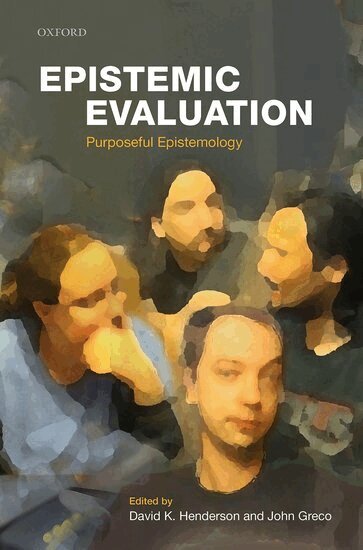
Inbunden, Engelska, 2015
Epistemic Evaluation
Purposeful Epistemology
Av David K. Henderson, David K. Henderson, John Greco
1901 kr
Beställningsvara. Skickas inom 3-6 vardagar. Fri frakt över 249 kr.
Beskrivning
Produktinformation
- Utgivningsdatum: 2015-10-01
- Mått: 174 x 240 x 25 mm
- Vikt: 618 g
- Format: Inbunden
- Språk: Engelska
- Antal sidor: 302
- Förlag: OUP OXFORD
- ISBN: 9780199642632
Utforska kategorier
Mer om författaren
David Henderson is Robert R Chambers Distinguished Professor of Philosophy at the University of Nebraska-Lincoln.John Greco holds the Leonard and Elizabeth Eslick Chair in Philosophy at Saint Louis University.
Recensioner i media
This volume shows a way to do post-Gettier epistemology. ... In addition to casting light on the nature, purpose and value of epistemic evaluation, purposeful epistemology also facilitates progress on a variety of epistemological issues, such as the relationship between knowledge and practical reasoning, the semantics of knowledge ascriptions and the internalism/externalism debate. This is not to suggest that purposeful epistemology is the only method epistemologists should use. But it is, as the editors point out, 'an important an underappreciated item in the toolbox' (3). I highly recommend this book.
Betyg & recensioner
0 recensioner
Inga recensioner tillgängliga.