• Fri frakt över 249 kr
  • •
  • Snabba leveranser
  • •
  • Billiga böcker
Kundservice

Du är på sajten för privatpersoner.

Företag, bibliotek eller offentlig verksamhet?

Du handlar på classic.bokus.com, där alla dina funktioner finns intakta.
Till classic.bokus.com
Bokus logotyp. Gå till startsidan.
  • Erbjudanden
  • Student
  • Topplistor
  • Barn & ungdom
  • Bokus Play
  • E-böcker
  • Ljudböcker
  • Pocketböcker
  • Spel & pussel

Upp till 25% på utvalda nyheter →

Sidfot

Mina sidor

    Hjälp

    • Kundservice
    • Vanliga frågor och svar
    • Frakt och leverans
    • Retur vid ångerrätt
    • Reklamera vara
    • Betalning
    • Köpvillkor
    • Allmänna villkor
    • Information om webbplatsens tillgänglighet

    Om Bokus

    • Om oss
    • Pressrum
    • För studenter
    • För företag
    • För bibliotek och offentlig verksamhet
    • För leverantörer
    • Hållbarhet

    Populärt

    • Aktuella erbjudanden
    • Presentkort
    • Studentlitteratur
    • Nya böcker
    • Topplistor
    • Signerade böcker
    • Engelska böcker

    Inspiration

    • Boktips
    • BookTok
    • Populära bokserier
    • Barnbokskaraktärer
    • Populära författare
    Logotyp för Bokus
    Följ oss på Facebook (extern länk)Följ oss på Instagram (extern länk)Följ oss på YouTube (extern länk)Följ oss på TikTok (extern länk)
    bokus @ CookiesAnpassa cookiesIntegritetspolicyKöpvillkor
    Till Citymail hemsida (extern länk)Till Budbee hemsida (extern länk)Till Postnord hemsida (extern länk)Till Schenker hemsida (extern länk)Till Early Bird hemsida (extern länk)Till Walleys hemsida (extern länk)
    1. Data och IT
    2. Programmeringsböcker

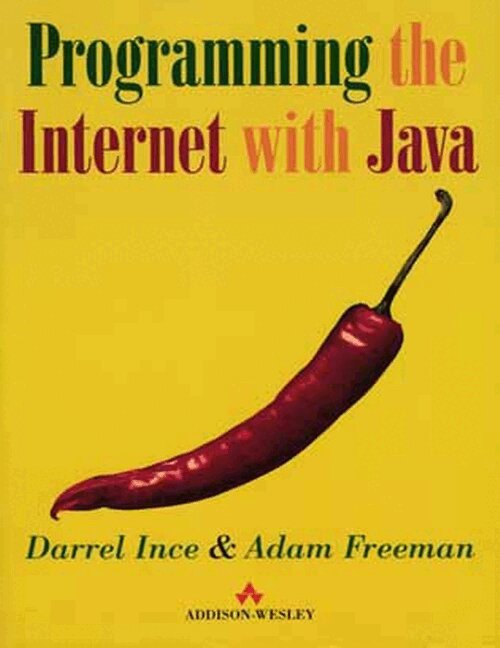
    Programming the Internet with Java

    AvDarrel Ince

    Häftad, Engelska, 2019

    331 kr

    Tillfälligt slut

    Beskrivning

    Programming the Internet with Java is designed to teach students how to program in Java - in particular those concepts that relate to the burgeoning arena of Internet technologies. It assumes previous knowledge of programming in a procedural language such as C or Pascal, and begins with an introduction to Java and the basics of object oriented programming. It progresses onto classes, exceptions, libraries and threads and teaches the skills to develop complex Java code. Further chapters then go on to apply these lessons to Internet programming requirements so that by the end of the book, the student will be familiar with the fundamentals of network programming and database access as well as skilled at developing applets and applications. Features: * Numerous programming examples drawn from appropriate Internet technologies such as firewalls, log files and web crawlers * Self assessment questions guide the student through the book and measure progress * Boxed-out definitions of important Internet concepts * Teaching material (slides and solutions) available online.Supporting web site is available for downloading and contains code, exercises (available shortly), multiple choice self-assessment test applets, Java 1.1 updates and links to other useful sites. 0201175495B04062001

    Produktinformation

    • Utgivningsdatum:2019-04-23
    • Format:Häftad
    • Språk:Engelska
    • Antal sidor:384
    • Upplaga:1
    • Förlag:Pearson Education
    • ISBN:9780201175493

    Utforska kategorier

    • Programmeringsböcker inom Data och IT
    • Webbprogrammering inom Data och IT
    • Programspråk inom Data och IT

    Mer om författaren

    About Darrel InceDarrel Ince is Professor of Computing at the Open University. He is an accomplished author of more than 100 research papers and 18 books on software subjects, as well as a frequent contributor to numerous magazines and national newspapers.About Adam Freeman Adam Freeman is a software consultant working in the Knowledge Media Institute at the Open University. He is a member of the team developing Stadium, one of the largest Java applications in the world, and is an Advisor to the Board of SunWorld Online. 0201175495AB04062001

    Innehållsförteckning

    • (NOTE: Each chapter concludes with a Summary.) 1. Java and The Internet. Introduction. The Java programming language. The system. The evolution of browsers. Running Java applications and Java applets. What you will learn from this book. A note on exercises and SAQs. 2. Objects. Introduction. Some examples of object-based systems. 3. Classes and Objects. Introduction. State changes. Classes. Some concepts. Inheritance. Class libraries. 4. Java. Introduction. Data types. Control structures. 5. Classes in Java. Introduction. Objects. Classes. Objects and references. The class hierarchy. General classes and constructors. Java programs. A running example. 6. Exceptions. Introduction. Defining and throwing exceptions. Creating your own exceptions. Exceptions in action--a data structure for a Web crawler. Extending the running example. 7. Libraries. Introduction. The documentation of packages. The java.util package. Two useful data structures. The Object class and object wrappers. Mixing objects. Further extension of the running example. 8. Abstraction Mechanisms. Introduction. Abstract methods. Interfaces. Packages. A further extension to the running example. 9. Threads. Introduction. Creating threads. Suspend and resume methods. Thread priorities. The problem with shared objects. The circular buffer. 10. Input and Output. Introduction. Streams. Some important streams. Other classes. The StringTokenizer class. An example. StreamTokenizers. Revisiting the running example. 11. Hci and Java. Introduction. Overview of the AWT. HCI elements. Containers and layouts. Control elements. The event system. Graphics. Some examples. 12. Applets. Introduction. Introducing some essential applet methods. Drawing and handling events. Using threads in applets. Adding an interface to the applet. Double buffering. Another example applet. Adding HCI to the running example. 13. Network Programming. Introduction. A tour of the package. The common protocol. Writing a server. Writing an applet. General considerations. 14. Applications. Introduction. The application life cycle. Differences between applets and applications. Application limitations. Adding user interface elements to applications. 15. Database Access. Introduction. Relational databases. SQL. Connecting to SQL databases. Java and SQL. Appendix A. The Java Development Kit. Introduction. First steps. Running Java code. Other JDK tools. API documentation. HTML tags. Index.