• Fri frakt över 249 kr
  • •
  • Snabba leveranser
  • •
  • Billiga böcker
Kundservice

Du är på sajten för privatpersoner.

Företag, bibliotek eller offentlig verksamhet?

Du handlar på classic.bokus.com, där alla dina funktioner finns intakta.
Till classic.bokus.com
Bokus logotyp. Gå till startsidan.
  • Erbjudanden
  • Nyheter
  • Student
  • Topplistor
  • Barn & ungdom
  • Bokus Play
  • E-böcker
  • Pocketböcker
  • Spel & pussel

10% rabatt på allt med kod NYSTART10 →

Sidfot

Mina sidor

    Hjälp

    • Kundservice
    • Vanliga frågor och svar
    • Frakt och leverans
    • Retur vid ångerrätt
    • Reklamera vara
    • Betalning
    • Köpvillkor
    • Allmänna villkor
    • Information om webbplatsens tillgänglighet

    Om Bokus

    • Om oss
    • Pressrum
    • För studenter
    • För företag
    • För bibliotek och offentlig verksamhet
    • För leverantörer
    • Hållbarhet

    Populärt

    • Aktuella erbjudanden
    • Presentkort
    • Studentlitteratur
    • Nya böcker
    • Topplistor
    • Signerade böcker
    • Engelska böcker

    Inspiration

    • Boktips
    • BookTok
    • Populära bokserier
    • Barnbokskaraktärer
    • Populära författare
    Logotyp för Bokus
    Följ oss på Facebook (extern länk)Följ oss på Instagram (extern länk)Följ oss på YouTube (extern länk)Följ oss på TikTok (extern länk)
    bokus @ CookiesAnpassa cookiesIntegritetspolicyKöpvillkor
    Till Citymail hemsida (extern länk)Till Budbee hemsida (extern länk)Till Postnord hemsida (extern länk)Till Schenker hemsida (extern länk)Till Early Bird hemsida (extern länk)Till Walleys hemsida (extern länk)
    1. Skönlitteratur
    2. Litteraturvetenskap
    3. Litteraturvetenskap

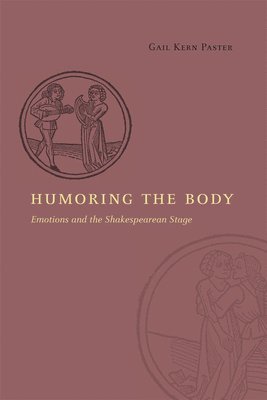
    Humoring the Body

    Emotions and the Shakespearean Stage

    AvGail Kern Paster

    Häftad, Engelska, 2014

    289 kr

    Beställningsvara. Skickas inom 5-8 vardagar. Fri frakt över 249 kr.

    Fler format och utgåvor

    E-bok

    633 kr

    Beskrivning

    Thought modern readers no longer believe in the four humors of Galenic naturalism - blood, choler, melancholy, and phlegm - early modern thought found in these bodily fluids the key to explaining human emotions and behavior. In Humoring the Body, Gail Kern Paster proposes a new way to read the emotions of the early modern stage so that contemporary readers may recover some of the historical particularity in early modern expressions of emotional self-experience. Using notions drawn from humoral medical theory to untangle passges from important moral treatises, medical texts, natural histories, and major plays of Shakespeare and his contemporaries, Paster identifies a historical phenomenology in the language of affect by reconciling the significance of the four humors as the language of embodied emotion. She urges modern readers to resist the influence of post-Cartesian abstraction and the disembodiment of human psychology lest they miss the body-mind connection that still existed for Shakespeare and his contemporaries and constrained them to think differently about how their emotions were embodied in a premodern world.

    Produktinformation

    • Utgivningsdatum:2014-09-23
    • Mått:15 x 23 x 2 mm
    • Vikt:454 g
    • Format:Häftad
    • Språk:Engelska
    • Antal sidor:290
    • Förlag:The University of Chicago Press
    • ISBN:9780226213828

    Utforska kategorier

    • Litteraturvetenskap inom Skönlitteratur

    Mer om författaren

    Gail Kern Paster is the former director of the Folger Shakespeare Library. She is the author of The Idea of the City in the Age of Shakespeare and The Body Embarrassed: Drama and the Disciplines of Shame in Early Modern England.

    Recensioner i media

    "Humoring the Body challenges our familiar understanding of the relationship between early modern subjects and their surroundings. Paster reveals a Shakespearean landscape saturated in feeling.... Paster's book is lively, colorful and often very funny. Its most striking achievement is to reveal not only how Shakespeare's men and women inhabited the world, but also how the world inhabited them in return." (Times Literary Supplement)"