• Fri frakt över 249 kr
  • •
  • Snabba leveranser
  • •
  • Billiga böcker
Kundservice

Du är på sajten för privatpersoner.

Företag, bibliotek eller offentlig verksamhet?

Du handlar på classic.bokus.com, där alla dina funktioner finns intakta.
Till classic.bokus.com
Bokus logotyp. Gå till startsidan.
  • Erbjudanden
  • Nyheter
  • Student
  • Topplistor
  • Barn & ungdom
  • Bokus Play
  • E-böcker
  • Pocketböcker
  • Spel & pussel

10% rabatt på allt med kod: NYSTART10 →

Sidfot

Mina sidor

    Hjälp

    • Kundservice
    • Vanliga frågor och svar
    • Frakt och leverans
    • Retur vid ångerrätt
    • Reklamera vara
    • Betalning
    • Köpvillkor
    • Allmänna villkor
    • Information om webbplatsens tillgänglighet

    Om Bokus

    • Om oss
    • Pressrum
    • För studenter
    • För företag
    • För bibliotek och offentlig verksamhet
    • För leverantörer
    • Hållbarhet

    Populärt

    • Aktuella erbjudanden
    • Presentkort
    • Studentlitteratur
    • Nya böcker
    • Topplistor
    • Signerade böcker
    • Engelska böcker

    Inspiration

    • Boktips
    • BookTok
    • Populära bokserier
    • Barnbokskaraktärer
    • Populära författare
    Logotyp för Bokus
    Följ oss på Facebook (extern länk)Följ oss på Instagram (extern länk)Följ oss på YouTube (extern länk)Följ oss på TikTok (extern länk)
    bokus @ CookiesAnpassa cookiesIntegritetspolicyKöpvillkor
    Till Citymail hemsida (extern länk)Till Budbee hemsida (extern länk)Till Postnord hemsida (extern länk)Till Schenker hemsida (extern länk)Till Early Bird hemsida (extern länk)Till Walleys hemsida (extern länk)
    1. Naturvetenskap och teknik
    2. Geovetenskap
    3. Geografi

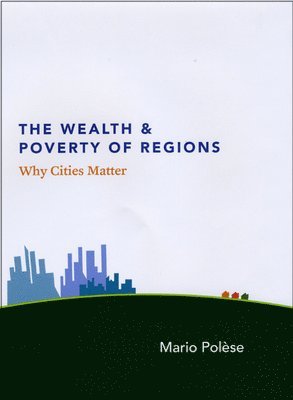
    Wealth and Poverty of Regions – Why Cities Matter

    AvMario Polèse

    Inbunden, Engelska, 2010

    464 kr

    Beställningsvara. Skickas inom 5-8 vardagar. Fri frakt över 249 kr.

    Beskrivning

    Why do some places prosper while others lag behind? Surely the advent of the Internet and ever newer communications technologies will level the playing field. Not so, argues Mario Polese in "The Wealth and Poverty of Regions"; rather, geography will matter more than ever before in a world where distance is allegedly dead. This provocative book surveys the globe, from London and Cape Town to New York and Beijing, contending that regions rise - or fall - due to their location, not only within nations but also on the world map. Polese reveals how initial concentrations of industries and populations in specific locales often result in minor advantages that accumulate over time, resulting in reduced costs, improved transportation networks, higher productivity, and, not least of all, "buzz" - the excitement and vitality that attracts ambitious people. However, these are attributes that can also be lost. Even big cities can falter. And small places can succeed, given the right conditions."The Wealth and Poverty of Regions" maps out how a heady mix of size, proximity, technological change, and just plain chance will determine which places become the thriving metropolises of the future, and which become the deserted backwaters of the past. Engagingly written, the book provides insight into the past, present, and future of regions.

    Produktinformation

    • Utgivningsdatum:2010-01-01
    • Mått:167 x 239 x 25 mm
    • Vikt:568 g
    • Format:Inbunden
    • Språk:Engelska
    • Antal sidor:288
    • Förlag:The University of Chicago Press
    • ISBN:9780226673158

    Utforska kategorier

    • Geografi inom Naturvetenskap och teknik
    • Digital ekonomi inom Ekonomi och Ledarskap

    Mer om författaren

    Mario Polese holds the Senior Canada Research Chair in Urban and Regional Studies and is professor at the Institut national de la recherche scientifique in Montreal. He is coauthor of, most recently, Connecting Cities with Macroeconomic Concerns.

    Recensioner i media

    "In his wonderful new book... Mario Polese synthesizes a wide range of ideas and research into a very interesting and highly readable account of the forces behind the uneven landscape of regional growth and change." (Economic Development Quarterly) "This clearly argued and amply illustrated work is a useful introduction to the forces causing some cities/regions to grow and others to stagnate." (Choice)"