• Fri frakt över 249 kr
  • •
  • Snabba leveranser
  • •
  • Billiga böcker
Kundservice

Du är på sajten för privatpersoner.

Företag, bibliotek eller offentlig verksamhet?

Du handlar på classic.bokus.com, där alla dina funktioner finns intakta.
Till classic.bokus.com
Bokus logotyp. Gå till startsidan.
  • Erbjudanden
  • Nyheter
  • Student
  • Topplistor
  • Barn & ungdom
  • Bokus Play
  • E-böcker
  • Pocketböcker
  • Spel & pussel

10% rabatt på allt med kod NYSTART10 →

Sidfot

Mina sidor

    Hjälp

    • Kundservice
    • Vanliga frågor och svar
    • Frakt och leverans
    • Retur vid ångerrätt
    • Reklamera vara
    • Betalning
    • Köpvillkor
    • Allmänna villkor
    • Information om webbplatsens tillgänglighet

    Om Bokus

    • Om oss
    • Pressrum
    • För studenter
    • För företag
    • För bibliotek och offentlig verksamhet
    • För leverantörer
    • Hållbarhet

    Populärt

    • Aktuella erbjudanden
    • Presentkort
    • Studentlitteratur
    • Nya böcker
    • Topplistor
    • Signerade böcker
    • Engelska böcker

    Inspiration

    • Boktips
    • BookTok
    • Populära bokserier
    • Barnbokskaraktärer
    • Populära författare
    Logotyp för Bokus
    Följ oss på Facebook (extern länk)Följ oss på Instagram (extern länk)Följ oss på YouTube (extern länk)Följ oss på TikTok (extern länk)
    bokus @ CookiesAnpassa cookiesIntegritetspolicyKöpvillkor
    Till Citymail hemsida (extern länk)Till Budbee hemsida (extern länk)Till Postnord hemsida (extern länk)Till Schenker hemsida (extern länk)Till Early Bird hemsida (extern länk)Till Walleys hemsida (extern länk)
    1. Samhälle och politik
    2. Sociologi och antropologi
    3. Antropologi

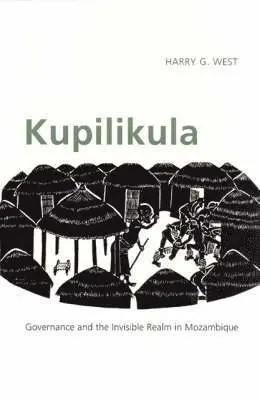
    Kupilikula

    Governance and the Invisible Realm in Mozambique

    AvHarry G. West

    Häftad, Engelska, 2005

    333 kr

    Beställningsvara. Skickas inom 5-8 vardagar. Fri frakt över 249 kr.

    Beskrivning

    On the Mueda plateau in northern Mozambique, sorcerers are said to feed on their victims, sometimes "making" lions or transforming into lions to literally devour their flesh. When the ruling FRELIMO party subscribed to socialism, it condemned sorcery beliefs and counter-sorcery practices as false consciousness, but since undertaking neoliberal reform, the party - still in power after three electoral cycles - has "tolerated tradition," leaving villagers to interpret and engage with events in the idiom of sorcery. Now, when the lions prowl plateau villages, suspected sorcerers are often lynched. In this historical ethnography of sorcery, Harry G. West draws on a decade of fieldwork and combines the perspectives of anthropology and political science to reveal how Muedans expect responsible authorities to monitor the invisible realm of sorcery and to overturn or, as Muedans call it, "kupilikula" sorcerers' destructive attacks by practicing a constructive form of counter-sorcery themselves."Kupilikula" argues that, where neoliberal policies have fostered social division rather than security and prosperity, Muedans have, in fact, used sorcery discourse to assess and sometimes overturn reforms, advancing alternative visions of a world transformed.

    Produktinformation

    • Utgivningsdatum:2005-09-01
    • Mått:16 x 23 x 2 mm
    • Vikt:567 g
    • Format:Häftad
    • Språk:Engelska
    • Antal sidor:336
    • Förlag:The University of Chicago Press
    • ISBN:9780226894058

    Utforska kategorier

    • Antropologi inom Samhälle och politik
    • Referensverk och tvärvetenskap inom Samhälle och politik

    Mer om författaren

    Harry G. West is lecturer in social anthropology in the School of Oriental and African Studies at the University of London. He is the editor or coeditor of three previous volumes, including, most recently, Transparency and Conspiracy: Ethnographies of Suspicion in the New World Order.

    Recensioner i media

    "Kupilikula is one of the finest examinations of contemporary sorcery that I have read. The writing is clear and unencumbered. The ethnography is rich and nuanced. By the end of the book, the reader has a significantly more profound comprehension of the thorny thicket of contemporary African politics. This is a major contribution to African studies, political anthropology, and the anthropology of religion." - Paul Stoller, West Chester University and Temple University"