• Fri frakt över 249 kr
  • •
  • Snabba leveranser
  • •
  • Billiga böcker
Kundservice

Du är på sajten för privatpersoner.

Företag, bibliotek eller offentlig verksamhet?

Du handlar på classic.bokus.com, där alla dina funktioner finns intakta.
Till classic.bokus.com
Bokus logotyp. Gå till startsidan.
  • Erbjudanden
  • Nyheter
  • Student
  • Topplistor
  • Barn & ungdom
  • Bokus Play
  • E-böcker
  • Pocketböcker
  • Spel & pussel

10% rabatt på allt med kod: NYSTART10 →

Sidfot

Mina sidor

    Hjälp

    • Kundservice
    • Vanliga frågor och svar
    • Frakt och leverans
    • Retur vid ångerrätt
    • Reklamera vara
    • Betalning
    • Köpvillkor
    • Allmänna villkor
    • Information om webbplatsens tillgänglighet

    Om Bokus

    • Om oss
    • Pressrum
    • För studenter
    • För företag
    • För bibliotek och offentlig verksamhet
    • För leverantörer
    • Hållbarhet

    Populärt

    • Aktuella erbjudanden
    • Presentkort
    • Studentlitteratur
    • Nya böcker
    • Topplistor
    • Signerade böcker
    • Engelska böcker

    Inspiration

    • Boktips
    • BookTok
    • Populära bokserier
    • Barnbokskaraktärer
    • Populära författare
    Logotyp för Bokus
    Följ oss på Facebook (extern länk)Följ oss på Instagram (extern länk)Följ oss på YouTube (extern länk)Följ oss på TikTok (extern länk)
    bokus @ CookiesAnpassa cookiesIntegritetspolicyKöpvillkor
    Till Citymail hemsida (extern länk)Till Budbee hemsida (extern länk)Till Postnord hemsida (extern länk)Till Schenker hemsida (extern länk)Till Early Bird hemsida (extern länk)Till Walleys hemsida (extern länk)
    1. Kultur
    2. Scenkonst och film
    3. Film

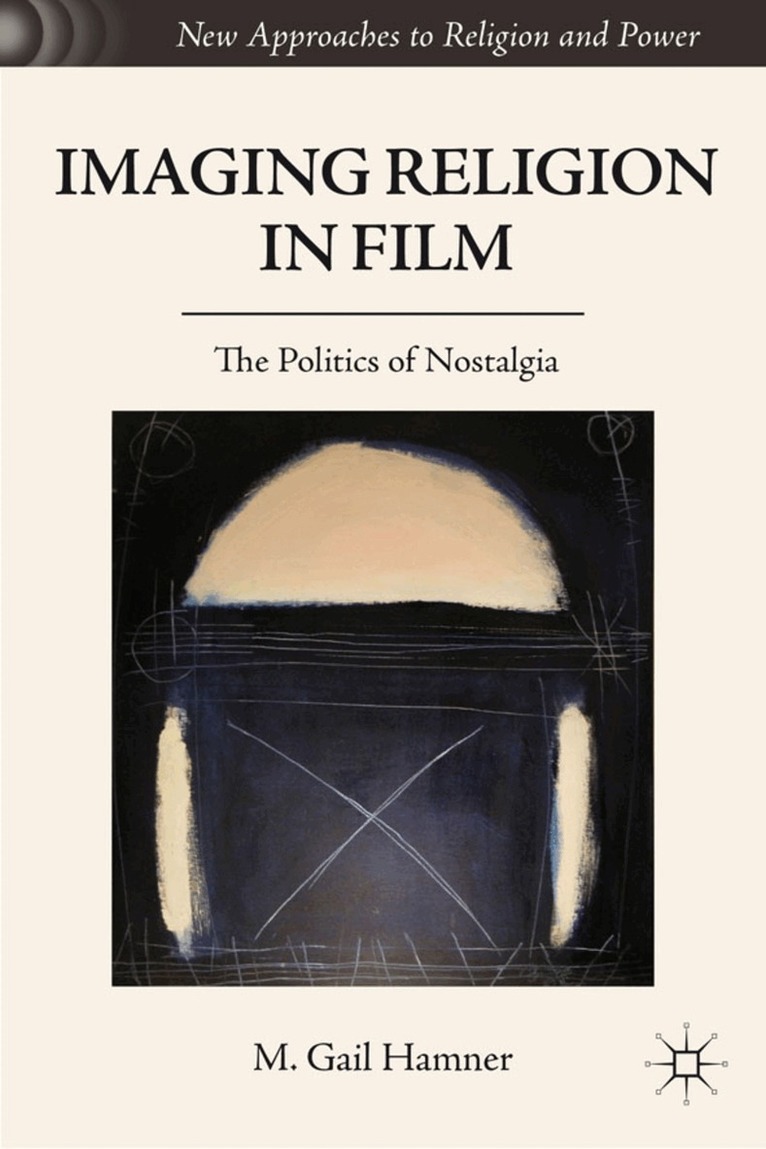
    Imaging Religion in Film

    The Politics of Nostalgia

    AvM. Gail Hamner

    Inbunden, Engelska, 2011

    Del i serien New Approaches to Religion and Power

    580 kr

    Beställningsvara. Skickas inom 10-15 vardagar. Fri frakt över 249 kr.

    Fler format och utgåvor

    E-bok

    755 kr

    Häftad

    547 kr

    Beskrivning

    This book offers a new methodology for examining the ethico-political dimensions of religion and film which foregrounds film's social power both to shape subjectivity and to image contemporary social contradictions and analyses three specific films: Kurosawa's Dersu Uzala ; Kiarostami's Taste of Cherry ; and the Coens' The Man Who Wasn't There .

    Produktinformation

    • Utgivningsdatum:2011-12-08
    • Mått:140 x 216 x 18 mm
    • Vikt:372 g
    • Format:Inbunden
    • Språk:Engelska
    • Serie:New Approaches to Religion and Power
    • Antal sidor:193
    • Upplaga:2011
    • Förlag:Palgrave Macmillan
    • ISBN:9780230339866

    Utforska kategorier

    • Film inom Kultur

    Mer om författaren

    GAIL HAMNER Associate Professor in the Department of Religion at Syracuse University, USA.

    Recensioner i media

    'Hamner offers religious studies, cultural studies, and philosophical studies something new and important: a theory of cinema, politics and religion as they coalesce in the production and reception of film. The book is more than the sum of its parts. Hamner crafts her argument wisely and well to argue for film viewing as a pedagogy of the self with profound implications for ethics and politics. Intelligent, thoughtful, and beautifully written.' - Ellen T. Armour, Vanderbilt Divinity School 'This is a profoundly beautiful, original book. By taking seriously the sensual the visual, auditory, and tactile dimensions of film, Hamner ushers us into new ways of experiencing the religious in film. This is not a book about religious stories. Nor is it another book about religious imagery in film. Instead, by attending to what she calls 'ordinary transcendence,' Hamner makes religious feeling compelling. And she shows us how to see it in all kinds of films from Hollywood blockbusters to small critically acclaimed works of international cinema. This critically informed and astonishingly lyrical book promises to change the ways we think, teach, and write about religion and film in the 21st century.' - Laura S. Levitt, Professor of Religion, Jewish Studies, and Gender, Temple University 'Hamner's book blazes an entirely new trail that finally succeeds in linking up a post-secular religious discourse with core and uncompromising materialist politics inspired by Foucault, Deleuze, and Peirce. But what you get here is not your standard boring versions of these thinkers warmed up like last-nights leftovers, but an original, refreshing, and satisfying thesis about the materialist power of film as such! Hamner's book is precisely what Walter Benjamin was gesturing toward in his insights about film and subjectivity. Hamner has invented an entirely new take on film.' - Creston Davis, Assistant Professor of Philosophy and Religion, Rollins College 'Read Imaging Religion in Film to see why viewing a film becomes an occasion through which our deepest yearning to experience transcendence in all our ordinary relations becomes a promise. With theoretical rigor, poetic lucidity, and visions of transcendence in the ordinary, Hamner has effectively transformed the way I now view film. This is a must-read for anyone interested in film, art, and religion!' - Anne Joh, Associate Professor of Systematic Theology, Garrett-Evangelical Theological Seminary 'In this deeply engaged and strikingly original meditation on the image of religion in film, M. Gail Hamner argues that, in a postmodern context, religion registers as a form of nostalgia-tinged transcendence as evocations of, and invitations to think about, the gap between human desire and the limited possibilities of fulfillment in the thoroughly commodified context of late capitalism. Such prompts to thought, providing opportunities for what Hamner terms a 'pedagogy of the self,' provide the basis for pointed political critique. In the course of making this larger case for the political value of attending to religion in film, Hamner offers novel and compelling reflections on a number of under-examined movies that may now begin to draw the critical consideration they clearly warrant.' - Phillip Novak, Associate Professor of English and of Communication and Film Studies, Le Moyne College

    Innehållsförteckning

    • Introduction: Interpreting Religion and Film PART I: FILM STUDY Akira Kurosawa: 'What is a Thing?': Posing the Religious in Dersu Uzala (1975) Kiarostami: The Face of Modernity Alienation and Transcendence in Taste of Cherry (1997) Joel and Ethan Coen: Searching for a Way Out Alienation and Intimacy in The Man Who Wasn't There (2001) PART II: THEORETICAL REFLECTIONS Religious Realism