• Fri frakt över 249 kr
  • •
  • Snabba leveranser
  • •
  • Billiga böcker
Kundservice

Du är på sajten för privatpersoner.

Företag, bibliotek eller offentlig verksamhet?

Du handlar på classic.bokus.com, där alla dina funktioner finns intakta.
Till classic.bokus.com
Bokus logotyp. Gå till startsidan.
  • Erbjudanden
  • Nyheter
  • Student
  • Topplistor
  • Barn & ungdom
  • Bokus Play
  • E-böcker
  • Pocketböcker
  • Spel & pussel

10% rabatt på allt med kod NYSTART10 →

Sidfot

Mina sidor

    Hjälp

    • Kundservice
    • Vanliga frågor och svar
    • Frakt och leverans
    • Retur vid ångerrätt
    • Reklamera vara
    • Betalning
    • Köpvillkor
    • Allmänna villkor
    • Information om webbplatsens tillgänglighet

    Om Bokus

    • Om oss
    • Pressrum
    • För studenter
    • För företag
    • För bibliotek och offentlig verksamhet
    • För leverantörer
    • Hållbarhet

    Populärt

    • Aktuella erbjudanden
    • Presentkort
    • Studentlitteratur
    • Nya böcker
    • Topplistor
    • Signerade böcker
    • Engelska böcker

    Inspiration

    • Boktips
    • BookTok
    • Populära bokserier
    • Barnbokskaraktärer
    • Populära författare
    Logotyp för Bokus
    Följ oss på Facebook (extern länk)Följ oss på Instagram (extern länk)Följ oss på YouTube (extern länk)Följ oss på TikTok (extern länk)
    bokus @ CookiesAnpassa cookiesIntegritetspolicyKöpvillkor
    Till Citymail hemsida (extern länk)Till Budbee hemsida (extern länk)Till Postnord hemsida (extern länk)Till Schenker hemsida (extern länk)Till Early Bird hemsida (extern länk)Till Walleys hemsida (extern länk)
    1. Kultur
    2. Scenkonst och film
    3. Film

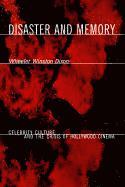
    Disaster and Memory

    Celebrity Culture and the Crisis of Hollywood Cinema

    AvWheeler Winston Dixon

    Häftad, Engelska, 1999

    616 kr

    Beställningsvara. Skickas inom 3-6 vardagar. Fri frakt över 249 kr.

    Fler format och utgåvor

    Inbunden

    Tillf. slut

    Beskrivning

    Using the media's coverage of the death of Princess Diana as a departing point, Wheeler Dixon presents a sharply critical assessment of the current state of movies--from the cult of celebrity, to the nature of public surveillance, to the role of print and television media in shaping our shared consciousness--unveiling our fascination with disaster. Dixon argues that movies such as James Cameron's Titanic replay the same Hollywood disaster plotlines with greater wizardry and less humanity than the films of fifty years ago. Contemporary cinema has become simply a memory of itself. Dixon draws on the effects of new technologies, the role of the "star" system, and the development of media conglomerates to explain why Hollywood has become so repetitive. Looking at a wide range of film genres, from obscure horror to blockbuster disaster movies, Dixon weaves together the elements that entice and manipulate audience expectations and emotions.Throughout the book, he examines the role of televisual media (cable, video, instant print magazines, digitally stored photos) in capturing the public's attention, and how these media could instead be used to open movie audiences to new stories and experiences.With its broad scope and frank tone, Disaster and Memory offers a refreshing and controversial perspective on the past, present, and future of Hollywood.

    Produktinformation

    • Utgivningsdatum:1999-01-26
    • Mått:152 x 229 x undefined mm
    • Format:Häftad
    • Språk:Engelska
    • Antal sidor:220
    • Förlag:Columbia University Press
    • ISBN:9780231113175

    Utforska kategorier

    • Film inom Kultur

    Mer om författaren

    Wheeler Winston Dixon is professor of English at the University of Nebraska, Lincoln, where he is chair of the Film Studies Program. He is the author of The Films of Jean-Luc Godard; The Exploding Eye: A Re-Visionary History of the American Experimental Cinema; and The Transparency of Spectacle.

    Innehållsförteckning

    • 1. The Moving Image in Crisis: Disaster and Memory 2. Manufacturing Identity in the Cold War Era: The Televisual Gaze 3. The Industry of Transcendence: Theorizing a Community 4. Superstructures of the Dominant Cinema: The Alterity of Symbolic Capital