• Fri frakt över 249 kr
  • •
  • Snabba leveranser
  • •
  • Billiga böcker
Kundservice

Du är på sajten för privatpersoner.

Företag, bibliotek eller offentlig verksamhet?

Du handlar på classic.bokus.com, där alla dina funktioner finns intakta.
Till classic.bokus.com
Bokus logotyp. Gå till startsidan.
  • Erbjudanden
  • Nyheter
  • Student
  • Topplistor
  • Barn & ungdom
  • Bokus Play
  • E-böcker
  • Pocketböcker
  • Spel & pussel

10% rabatt på allt med kod: NYSTART10 →

Sidfot

Mina sidor

    Hjälp

    • Kundservice
    • Vanliga frågor och svar
    • Frakt och leverans
    • Retur vid ångerrätt
    • Reklamera vara
    • Betalning
    • Köpvillkor
    • Allmänna villkor
    • Information om webbplatsens tillgänglighet

    Om Bokus

    • Om oss
    • Pressrum
    • För studenter
    • För företag
    • För bibliotek och offentlig verksamhet
    • För leverantörer
    • Hållbarhet

    Populärt

    • Aktuella erbjudanden
    • Presentkort
    • Studentlitteratur
    • Nya böcker
    • Topplistor
    • Signerade böcker
    • Engelska böcker

    Inspiration

    • Boktips
    • BookTok
    • Populära bokserier
    • Barnbokskaraktärer
    • Populära författare
    Logotyp för Bokus
    Följ oss på Facebook (extern länk)Följ oss på Instagram (extern länk)Följ oss på YouTube (extern länk)Följ oss på TikTok (extern länk)
    bokus @ CookiesAnpassa cookiesIntegritetspolicyKöpvillkor
    Till Citymail hemsida (extern länk)Till Budbee hemsida (extern länk)Till Postnord hemsida (extern länk)Till Schenker hemsida (extern länk)Till Early Bird hemsida (extern länk)Till Walleys hemsida (extern länk)
    1. Samhälle och politik
    2. Samhälle och kultur
    3. Sociala grupper och identitet
    4. Genusvetenskap

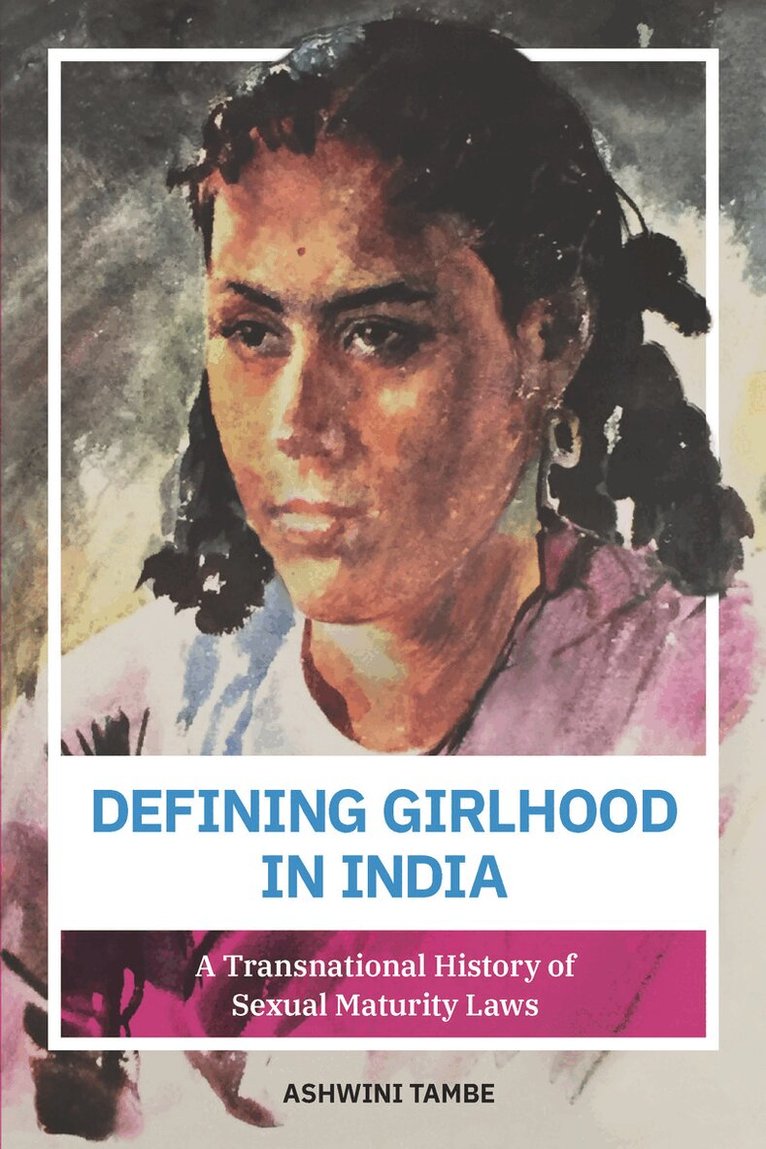
    Defining Girlhood in India

    A Transnational History of Sexual Maturity Laws

    AvAshwini Tambe

    E-bok
    Engelska, 2019

    506 kr

    Läs direkt i Bokus Reader – eller ladda ned till din enhet

    Fler format och utgåvor

    Inbunden

    1 247 kr

    Häftad

    275 kr

    Beskrivning

    At what age do girls gain the maturity to make sexual choices? This question provokes especially vexed debates in India, where early marriage is a widespread practice. India has served as a focal problem site in NGO campaigns and intergovernmental conferences setting age standards for sexual maturity. Over the last century, the country shifted the legal age of marriage from twelve, among the lowest in the world, to eighteen, at the high end of the global spectrum. Ashwini Tambe illuminates the ideas that shaped such shifts: how the concept of adolescence as a sheltered phase led to delaying both marriage and legal adulthood; how the imperative of population control influenced laws on marriage age; and how imperial moral hierarchies between nations provoked defensive postures within India. Tambe takes a transnational feminist approach to legal history, showing how intergovernmental debates influenced Indian laws and how expert discourses in India changed UN terminology about girls. Ultimately, Tambe argues, the well-meaning focus on child marriage has been tethered less to the interests of girls themselves and more to parents’ interests, achieving population control targets, and preserving national reputation.

    Produktinformation

    • Utgivningsdatum:2019-10-16
    • Språk:Engelska
    • Antal sidor:224
    • Filformat:EPUB
    • Kopieringsskydd:LCP
    • ISBN:9780252051586
    • Förlag:University of Illinois Press

    Utforska kategorier

    • Genusvetenskap inom Samhälle och politik
    • Lag och samhälle inom Juridik
    • Relationer inom Hälsa och familj

    Mer om författaren

    Ashwini Tambe is an associate professor of women's studies at the University of Maryland College Park, where she is also affiliate faculty in history and Asian American studies. She is the author of Codes of Misconduct: Regulating Prostitution in Late Colonial Bombay.

    Recensioner i media

    "Who is a girl? Tracking this not-so-simple question from the late-colonial to the contemporary moment, Ashwini Tambe weaves an intellectual, cultural, and transnational history of the girl question in India. Garnering an astonishing range of sources and crafted in sparkling prose, Defining Girlhood in India illuminates the scientific racism at the heart of British colonial efforts to link early puberty to climate and Indian backwardness; Indian nationalist arguments about parental control of the sexual lives of girls; US and Indian psychologist constructions of adolescence and their playful representations in vernacular magazines; demographers' claims about raising the marriage age to control high fertility rates; and the state and international development agencies' discovery that investing in girls is good for development. In the process, the travels of knowledge from the imperial heartland to India but also from South Asia to international forums and discourses are meticulously mapped. This book should be required reading for courses in Transnational Feminism and South Asian studies."--Priti Ramamurthy, coeditor of The Modern Girl around the World: Consumption, Modernity, and Globalization"A fascinating book on the politics of girlhood in India within the contexts of a global morality discourse, national interests, and international law. Tambe makes an exceptional contribution to girlhood studies."--Sylvanna M. Falcón, author of Power Interrupted: Antiracist and Feminist Activism inside the United Nations

    Innehållsförteckning

    • CoverTitle pageCopyrightContentsAcknowledgmentsIntroduction1 Tropical Exceptions2 Adolescence as a Traveling Concept3 Legislating Nonmarital Sex in India, 1911–19294 Early Marriage as Slavery5 Population Control and Marriage Age in India,1960–19786 Investing in the Girl Child,1989–20157 Curtailing Parents?ConclusionNotesIndexBack cover