• Fri frakt över 249 kr
  • •
  • Snabba leveranser
  • •
  • Billiga böcker
Kundservice

Du är på sajten för privatpersoner.

Företag, bibliotek eller offentlig verksamhet?

Du handlar på classic.bokus.com, där alla dina funktioner finns intakta.
Till classic.bokus.com
Bokus logotyp. Gå till startsidan.
  • Erbjudanden
  • Nyheter
  • Student
  • Topplistor
  • Barn & ungdom
  • Bokus Play
  • E-böcker
  • Pocketböcker
  • Spel & pussel

10% rabatt på allt med kod: NYSTART10 →

Sidfot

Mina sidor

    Hjälp

    • Kundservice
    • Vanliga frågor och svar
    • Frakt och leverans
    • Retur vid ångerrätt
    • Reklamera vara
    • Betalning
    • Köpvillkor
    • Allmänna villkor
    • Information om webbplatsens tillgänglighet

    Om Bokus

    • Om oss
    • Pressrum
    • För studenter
    • För företag
    • För bibliotek och offentlig verksamhet
    • För leverantörer
    • Hållbarhet

    Populärt

    • Aktuella erbjudanden
    • Presentkort
    • Studentlitteratur
    • Nya böcker
    • Topplistor
    • Signerade böcker
    • Engelska böcker

    Inspiration

    • Boktips
    • BookTok
    • Populära bokserier
    • Barnbokskaraktärer
    • Populära författare
    Logotyp för Bokus
    Följ oss på Facebook (extern länk)Följ oss på Instagram (extern länk)Följ oss på YouTube (extern länk)Följ oss på TikTok (extern länk)
    bokus @ CookiesAnpassa cookiesIntegritetspolicyKöpvillkor
    Till Citymail hemsida (extern länk)Till Budbee hemsida (extern länk)Till Postnord hemsida (extern länk)Till Schenker hemsida (extern länk)Till Early Bird hemsida (extern länk)Till Walleys hemsida (extern länk)
    1. Ekonomi och Ledarskap
    2. Industrier och branscher
    3. Transportindustri

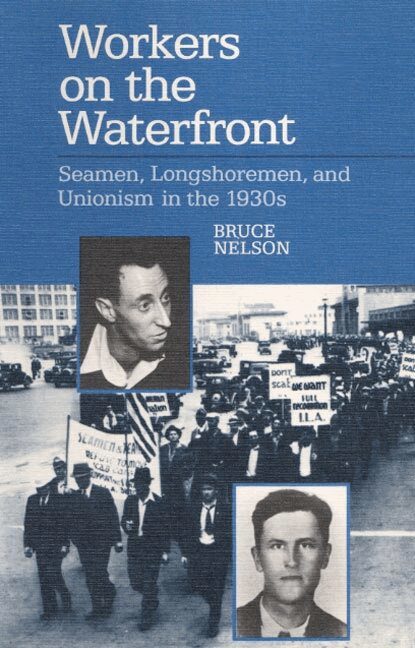
    Workers on the Waterfront

    Seamen, Longshoremen, and Unionism in the 1930s

    AvBruce Nelson

    Häftad, Engelska, 1990

    Del i serien Working Class in American History

    304 kr

    Beställningsvara. Skickas inom 5-8 vardagar. Fri frakt över 249 kr.

    Beskrivning

    With working lives characterized by exploitation and rootlessness, merchant seamen were isolated from mainstream life. Yet their contacts with workers in port cities around the world imbued them with a sense of internationalism. These factors contributed to a subculture that encouraged militancy, spontaneous radicalism, and a syndicalist mood. Bruce Nelson's award-winning book examines the insurgent activity and consciousness of maritime workers during the 1930s. As he shows, merchant seamen and longshoremen on the Pacific Coast made major institutional gains, sustained a lengthy period of activity, and expanded their working-class consciousness. Nelson examines the two major strikes that convulsed the region and caused observers to state that day-to-day labor relations resembled guerilla warfare. He also looks at related activity, from increasing political activism to stoppages to defend laborers from penalties, refusals to load cargos for Mussolini's war in Ethiopia, and forced boardings of German vessels to tear down the swastika.

    Produktinformation

    • Utgivningsdatum:1990-05-01
    • Mått:152 x 229 x 28 mm
    • Vikt:513 g
    • Format:Häftad
    • Språk:Engelska
    • Serie:Working Class in American History
    • Antal sidor:384
    • Förlag:University of Illinois Press
    • ISBN:9780252061448
    • Utmärkelser:Winner of <DIV>Winner of the Frederick Jackson Turner Award of the Organization of American Historians, 1989.</DIV> 1989

    Utforska kategorier

    • Transportindustri inom Ekonomi och Ledarskap
    • Amerikas historia inom Historia och arkeologi

    Mer om författaren

    Bruce Nelson is an emeritus professor in the Department of History at Dartmouth College.

    Recensioner i media

    Winner of the Frederick Jackson Turner Award of the Organization of American Historians, 1989."A fascinating story that holds the reader's interest from beginning to end. It is well written and thoroughly researched, and makes a real contribution to American labor history."--Journal of Economic History "Nelson has, to my mind, written the definitive account of one of the most dramatic episodes in American labor history. It should appeal to a wide audience: not only to students of the labor movement but also to those interested in questions of class consciousness, working-class radicalism, and American communism."--Contemporary Sociology