• Fri frakt över 249 kr
  • •
  • Snabba leveranser
  • •
  • Billiga böcker
Kundservice

Du är på sajten för privatpersoner.

Företag, bibliotek eller offentlig verksamhet?

Du handlar på classic.bokus.com, där alla dina funktioner finns intakta.
Till classic.bokus.com
Bokus logotyp. Gå till startsidan.
  • Erbjudanden
  • Nyheter
  • Student
  • Topplistor
  • Barn & ungdom
  • Bokus Play
  • E-böcker
  • Pocketböcker
  • Spel & pussel

10% rabatt på allt med kod: NYSTART10 →

Sidfot

Mina sidor

    Hjälp

    • Kundservice
    • Vanliga frågor och svar
    • Frakt och leverans
    • Retur vid ångerrätt
    • Reklamera vara
    • Betalning
    • Köpvillkor
    • Allmänna villkor
    • Information om webbplatsens tillgänglighet

    Om Bokus

    • Om oss
    • Pressrum
    • För studenter
    • För företag
    • För bibliotek och offentlig verksamhet
    • För leverantörer
    • Hållbarhet

    Populärt

    • Aktuella erbjudanden
    • Presentkort
    • Studentlitteratur
    • Nya böcker
    • Topplistor
    • Signerade böcker
    • Engelska böcker

    Inspiration

    • Boktips
    • BookTok
    • Populära bokserier
    • Barnbokskaraktärer
    • Populära författare
    Logotyp för Bokus
    Följ oss på Facebook (extern länk)Följ oss på Instagram (extern länk)Följ oss på YouTube (extern länk)Följ oss på TikTok (extern länk)
    bokus @ CookiesAnpassa cookiesIntegritetspolicyKöpvillkor
    Till Citymail hemsida (extern länk)Till Budbee hemsida (extern länk)Till Postnord hemsida (extern länk)Till Schenker hemsida (extern länk)Till Early Bird hemsida (extern länk)Till Walleys hemsida (extern länk)
    1. Samhälle och politik
    2. Samhälle och kultur
    3. Sociala grupper och identitet
    4. Genusvetenskap

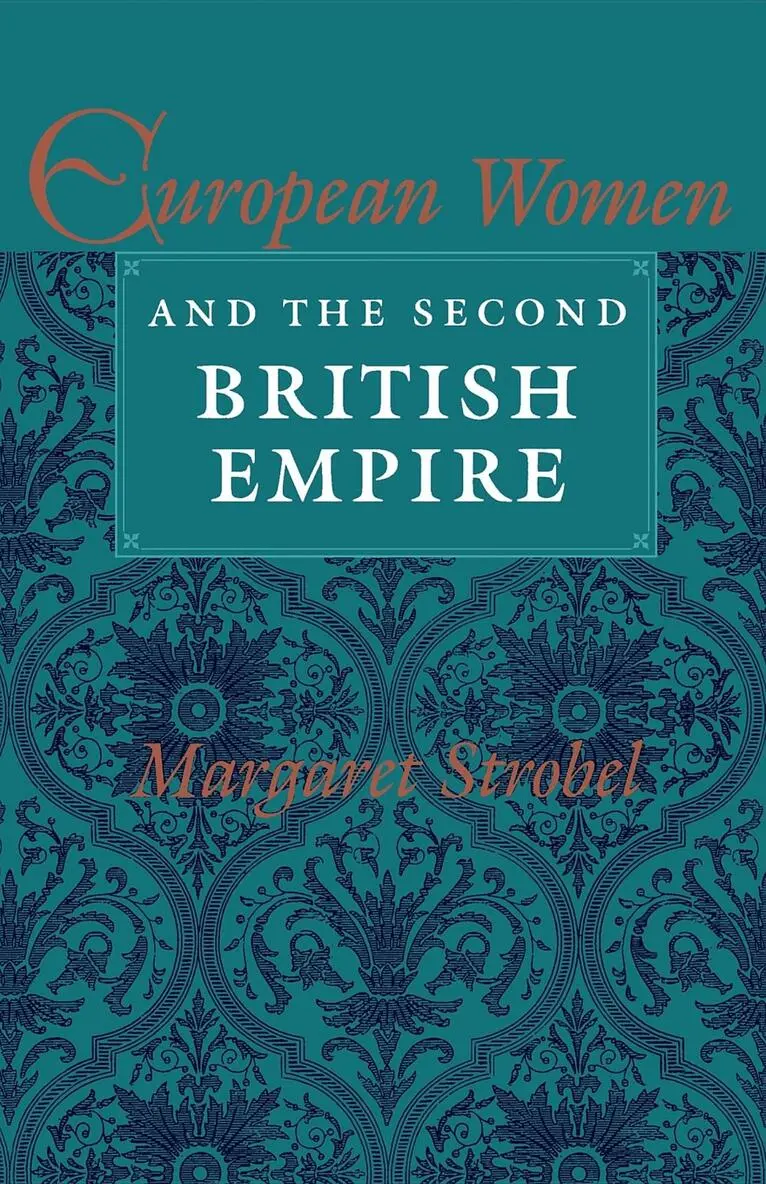
    European Women and the Second British Empire

    AvMargaret Strobel

    Häftad, Engelska, 1991

    243 kr

    Beställningsvara. Skickas inom 10-15 vardagar. Fri frakt över 249 kr.

    Beskrivning

    "It enhances our understanding of intracultural and cross-cultural relationships and raises significant questions about the complexities of the colonial phenomenon in the modern era." —Journal of World History"Provides a powerful and important analysis foregrounding the ideological construction of whiteness in understandings of gender and sexuality. . . . Margaret Strobel manages to provide a convincing analysis of the contradictory and often challenging space occupied by European women in the project of empire." —Signs"Strobel is to be highly commended for an historical analysis that brings critical light to bear on the complex interactions of gender, race, and class that have shadowed both European men's and women's participation in colonialism." —Women and Politics" . . . a clear exposition and synthesis . . . In this useful introduction to a new field, Strobel lays out clearly the arguments on which it is built. Her book makes it possible to acquaint students with the initial array of scholarship that is already growing. She also demonstrates that rewriting an imperial history that is sensitive to gender, culture, race, sexuality, and power is an exhilarating enterprise." —American Historical ReviewBased on the published accounts of travelers and officials' wives, biographies and other materials, this is a lively, fast-paced account of the roles of white women in the British empire, from about 1880 to the recent past. The European women of the second British empire carved out a space for themselves amid the options made available to them by British expansion, but they too were treated as inferiors—the inferior sex within the superior race.

    Produktinformation

    • Utgivningsdatum:1991-05-22
    • Vikt:200 g
    • Format:Häftad
    • Språk:Engelska
    • Antal sidor:128
    • Förlag:Indiana University Press
    • ISBN:9780253206312

    Utforska kategorier

    • Genusvetenskap inom Samhälle och politik

    Innehållsförteckning

    • PrefaceIntroductionOne Sexuality and Society: The Myth of the Destructive FemaleTwo Home and WorkThree Information and Policy Mediators: Travelers, Writers, Scholars, and AdministratorsFour Missionaries, Reformers, and the Status of Indigenous WomenConclusionNotesReferences CitedIndex