• Fri frakt över 249 kr
  • •
  • Snabba leveranser
  • •
  • Billiga böcker
Kundservice

Du är på sajten för privatpersoner.

Företag, bibliotek eller offentlig verksamhet?

Du handlar på classic.bokus.com, där alla dina funktioner finns intakta.
Till classic.bokus.com
Bokus logotyp. Gå till startsidan.
  • Erbjudanden
  • Nyheter
  • Student
  • Topplistor
  • Barn & ungdom
  • Bokus Play
  • E-böcker
  • Pocketböcker
  • Spel & pussel

10% rabatt på allt med kod NYSTART10 →

Sidfot

Mina sidor

    Hjälp

    • Kundservice
    • Vanliga frågor och svar
    • Frakt och leverans
    • Retur vid ångerrätt
    • Reklamera vara
    • Betalning
    • Köpvillkor
    • Allmänna villkor
    • Information om webbplatsens tillgänglighet

    Om Bokus

    • Om oss
    • Pressrum
    • För studenter
    • För företag
    • För bibliotek och offentlig verksamhet
    • För leverantörer
    • Hållbarhet

    Populärt

    • Aktuella erbjudanden
    • Presentkort
    • Studentlitteratur
    • Nya böcker
    • Topplistor
    • Signerade böcker
    • Engelska böcker

    Inspiration

    • Boktips
    • BookTok
    • Populära bokserier
    • Barnbokskaraktärer
    • Populära författare
    Logotyp för Bokus
    Följ oss på Facebook (extern länk)Följ oss på Instagram (extern länk)Följ oss på YouTube (extern länk)Följ oss på TikTok (extern länk)
    bokus @ CookiesAnpassa cookiesIntegritetspolicyKöpvillkor
    Till Citymail hemsida (extern länk)Till Budbee hemsida (extern länk)Till Postnord hemsida (extern länk)Till Schenker hemsida (extern länk)Till Early Bird hemsida (extern länk)Till Walleys hemsida (extern länk)
    1. Samhälle och politik
    2. Samhälle och kultur
    3. Kultur och medier
    4. Referensverk och tvärvetenskap

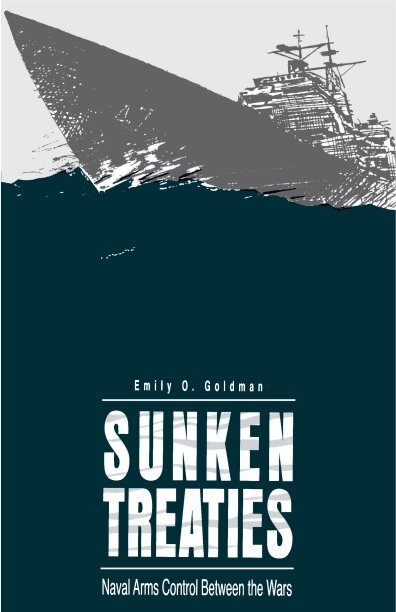
    Sunken Treaties

    Naval Arms Control Between the Wars

    AvEmily O. Goldman

    Häftad, Engelska, 1994

    511 kr

    Beställningsvara. Skickas inom 5-8 vardagar. Fri frakt över 249 kr.

    Beskrivning

    In this analysis of naval arms control between the two world wars, Emily Goldman dissects the underlying assumptions of arms control theory that have guided theorizing and practice for the past thirty years. She concludes that because there has been a near-exclusive focus on the behavior of the superpowers and on the consequences of nuclear technology, the arms control process has been artificially constrained in its scope and potential. Returning to the most important historical precedent of arms control prior to the Cold War, Goldman demonstrates that there are two distinct strategies of arms control, one that integrates force limitation with political conflict resolution and one that confines itself to technical limitations exclusively. Goldman's is the first analytical treatment of the interwar period that examines arms control in both its technical and conflict-resolution dimensions in tandem and traces them through the entire life of the arms control system. By debunking Cold War orthodoxy about arms control and by illuminating how arms control functioned between the wars, Goldman shows how the process of arms control can transcend the narrow goal of regulating the military balance and become a constructive tool for restructuring power relationships.

    Produktinformation

    • Utgivningsdatum:1994-09-15
    • Mått:140 x 216 x 26 mm
    • Vikt:540 g
    • Format:Häftad
    • Språk:Engelska
    • Antal sidor:368
    • Förlag:Pennsylvania State University Press
    • ISBN:9780271010342

    Utforska kategorier

    • Referensverk och tvärvetenskap inom Samhälle och politik
    • Sjökrigföring inom Samhälle och politik
    • Internationella relationer inom Samhälle och politik

    Mer om författaren

    Emily O. Goldman is Assistant Professor of Political Science at the University of California, Davis.

    Recensioner i media

    “Emily O. Goldman presents an interesting and stimulating interpretation of the interwar naval conferences. . . . Goldman’s effort is an important interpretive contribution that adds much to the ever-growing debate on the Washington Conference.”—Journal of American History