• Fri frakt över 249 kr
  • •
  • Snabba leveranser
  • •
  • Billiga böcker
Kundservice

Du är på sajten för privatpersoner.

Företag, bibliotek eller offentlig verksamhet?

Du handlar på classic.bokus.com, där alla dina funktioner finns intakta.
Till classic.bokus.com
Bokus logotyp. Gå till startsidan.
  • Erbjudanden
  • Nyheter
  • Student
  • Topplistor
  • Barn & ungdom
  • Bokus Play
  • E-böcker
  • Pocketböcker
  • Spel & pussel

10% rabatt på allt med kod: NYSTART10 →

Sidfot

Mina sidor

    Hjälp

    • Kundservice
    • Vanliga frågor och svar
    • Frakt och leverans
    • Retur vid ångerrätt
    • Reklamera vara
    • Betalning
    • Köpvillkor
    • Allmänna villkor
    • Information om webbplatsens tillgänglighet

    Om Bokus

    • Om oss
    • Pressrum
    • För studenter
    • För företag
    • För bibliotek och offentlig verksamhet
    • För leverantörer
    • Hållbarhet

    Populärt

    • Aktuella erbjudanden
    • Presentkort
    • Studentlitteratur
    • Nya böcker
    • Topplistor
    • Signerade böcker
    • Engelska böcker

    Inspiration

    • Boktips
    • BookTok
    • Populära bokserier
    • Barnbokskaraktärer
    • Populära författare
    Logotyp för Bokus
    Följ oss på Facebook (extern länk)Följ oss på Instagram (extern länk)Följ oss på YouTube (extern länk)Följ oss på TikTok (extern länk)
    bokus @ CookiesAnpassa cookiesIntegritetspolicyKöpvillkor
    Till Citymail hemsida (extern länk)Till Budbee hemsida (extern länk)Till Postnord hemsida (extern länk)Till Schenker hemsida (extern länk)Till Early Bird hemsida (extern länk)Till Walleys hemsida (extern länk)
    1. Filosofi och religion
    2. Filosofi
    3. Filosofiska discipliner

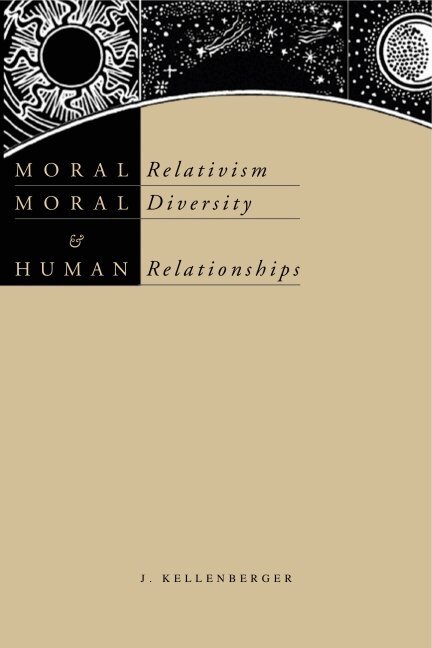
    Moral Relativism, Moral Diversity, and Human Relationships

    AvJames Kellenberger

    Häftad, Engelska, 2003

    688 kr

    Beställningsvara. Skickas inom 5-8 vardagar. Fri frakt över 249 kr.

    Beskrivning

    This book aims to clarify the debate between moral relativists and moral absolutists by showing what is right and what is wrong about each of these positions, by revealing how the phenomenon of moral diversity is connected with moral relativism, and by arguing for the importance of relationships between persons as key to reaching a satisfactory understanding of the issues involved in the debate.

    Produktinformation

    • Utgivningsdatum:2003-06-15
    • Mått:152 x 229 x 18 mm
    • Vikt:399 g
    • Format:Häftad
    • Språk:Engelska
    • Antal sidor:248
    • Förlag:Pennsylvania State University Press
    • ISBN:9780271022871

    Utforska kategorier

    • Filosofiska discipliner inom Filosofi och religion

    Mer om författaren

    James Kellenberger is Professor of Philosophy at California State University. He is the author of several books, including Kierkegaard and Nietzsche: Faith and Eternal Acceptance (1997) and Relationship Morality (Penn State, 1995).

    Recensioner i media

    “This book is a development of Kellenberger’s distinctive approach to morality that he has worked out in Relationship Morality. The two books are independent, but each deepens and complements the other. . . . One of the most interesting features of the book is Kellenberger’s attempt to show how standard notions such as rights, obligations, and virtues are recast and defended from the point of view of relationship morality. This is needed because, if he is right, the existing moral absolutist accounts are unsatisfactory and the challenge issued by moral relativism is unmet. . . . Kellenberger goes far afield to consider the practices of religions, cultures, and ethnic groups that differ historically, socially, morally, and politically. This greatly strengthens his argument and makes what he has to say alive with palpable significance for anyone who is willing to think hard about moral matters. . . . The audience for the work extends far beyond moral philosophers. It will interest political theorists, anthropologists, theologians, and sociologists. It ranges across moral thought, religious reflection, feminism, and ethnography. And because it is written plainly and is rich with illustrations, it could be suitable as a text in advanced undergraduate and graduate classes. It is also accessible to a general audience, provided it is literate and is willing to think hard about moral issues.”—John Kekes, SUNY-Albany