• Fri frakt över 249 kr
  • •
  • Snabba leveranser
  • •
  • Billiga böcker
Kundservice

Du är på sajten för privatpersoner.

Företag, bibliotek eller offentlig verksamhet?

Du handlar på classic.bokus.com, där alla dina funktioner finns intakta.
Till classic.bokus.com
Bokus logotyp. Gå till startsidan.
  • Erbjudanden
  • Nyheter
  • Student
  • Topplistor
  • Barn & ungdom
  • Bokus Play
  • E-böcker
  • Pocketböcker
  • Spel & pussel

10% rabatt på allt med kod NYSTART10 →

Sidfot

Mina sidor

    Hjälp

    • Kundservice
    • Vanliga frågor och svar
    • Frakt och leverans
    • Retur vid ångerrätt
    • Reklamera vara
    • Betalning
    • Köpvillkor
    • Allmänna villkor
    • Information om webbplatsens tillgänglighet

    Om Bokus

    • Om oss
    • Pressrum
    • För studenter
    • För företag
    • För bibliotek och offentlig verksamhet
    • För leverantörer
    • Hållbarhet

    Populärt

    • Aktuella erbjudanden
    • Presentkort
    • Studentlitteratur
    • Nya böcker
    • Topplistor
    • Signerade böcker
    • Engelska böcker

    Inspiration

    • Boktips
    • BookTok
    • Populära bokserier
    • Barnbokskaraktärer
    • Populära författare
    Logotyp för Bokus
    Följ oss på Facebook (extern länk)Följ oss på Instagram (extern länk)Följ oss på YouTube (extern länk)Följ oss på TikTok (extern länk)
    bokus @ CookiesAnpassa cookiesIntegritetspolicyKöpvillkor
    Till Citymail hemsida (extern länk)Till Budbee hemsida (extern länk)Till Postnord hemsida (extern länk)Till Schenker hemsida (extern länk)Till Early Bird hemsida (extern länk)Till Walleys hemsida (extern länk)
    1. Skönlitteratur
    2. Litteraturvetenskap

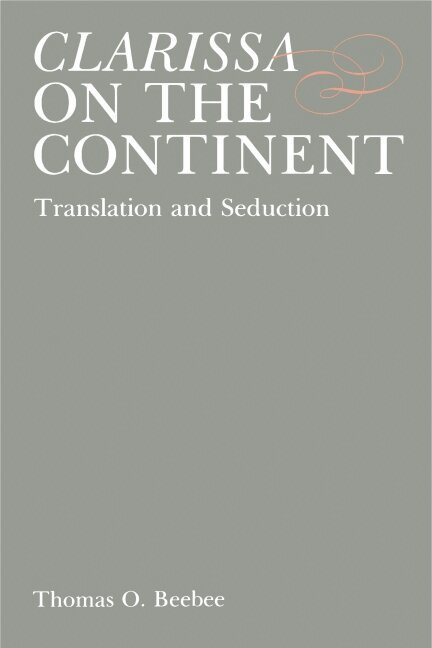
    Clarissa on the Continent

    Translation and Seduction

    AvThomas O. Beebee

    Häftad, Engelska, 1990

    669 kr

    Beställningsvara. Skickas inom 5-8 vardagar. Fri frakt över 249 kr.

    Beskrivning

    "Clarissa" on the Continent defines and explores two strategies of literary translation—creative vs. preservative and strong vs. weak—as they transform one of the most influential English novels. Thomas Beebee compares the two opposing strategies as they influence the French translation of Clarissa by the novelist Antione François de Prévost and the German translation by the Göttingen Orientalist Johann David Michaelis, and in doing so he demonstrates that each translator found authority for his procedure within the text itself. Each translation is also examined in light of Richardson's other writings and placed in its literary and cultural context. This study uses translations in order to interpret Clarissa, to show how the basis for the novel's reception on the Continent was laid, and to explore the differences and interactions among three literary and cultural systems of the eighteenth century. The close examination of these two important translations enable the formulation of not only a theory of creative vs. preservative translation but also the interconnections between literary theory and translation theory. Beebee also looks at later translations of Clarissa as products of literary and historical change and at Prévostian strategies of the novel.

    Produktinformation

    • Utgivningsdatum:1990-08-15
    • Mått:152 x 229 x 18 mm
    • Vikt:458 g
    • Format:Häftad
    • Språk:Engelska
    • Antal sidor:244
    • Förlag:Pennsylvania State University Press
    • ISBN:9780271026169

    Utforska kategorier

    • Litteraturvetenskap inom Skönlitteratur

    Mer om författaren

    Thomas Beebee is Assistant Professor of Comparative Literature and German at The Pennsylvania State University.

    Recensioner i media

    “No one can read this book with any degree of care and not find a stream of useful perceptions (and information) about Beebee’s tricorned eighteenth-century universe (England, France, and Germany). Not that the book is limited to eighteenth-century matters: both the use and discussion of theory, throughout the manuscript, and the good final chapter, in which a historical overlay is added, broaden the scope and utility of Beebee’s work, making it challenging and important reading for anyone interested in Richardson or the eighteenth-century, in translation theory and practice, in the comparative history of the novel, and also in the relevance and even the truth of much of modern literary theory.”—Burton Raffel, University of Southwestern Louisiana