
Peru and the United States, 1960–1975
How Their Ambassadors Managed Foreign Relations in a Turbulent Era
Häftad, Engelska, 2010
587 kr
Beställningsvara. Skickas inom 5-8 vardagar. Fri frakt över 249 kr.
Beskrivning
The period of 1960 to 1975 was a time when the United States paid more than the usual amount of attention to relations with Latin America, contending with Fidel Castro’s efforts to export the revolution and with Salvador Allende’s efforts to establish a socialist government in Chile, for example. During this turbulent era, U.S. relations with Peru were fraught with tensions and difficulties, too: the Kennedy administration wrestled with the question of how to deal with the military regime that took over by coup in 1962, the administration of Lyndon Johnson tangled with Peru over its expropriation of the International Petroleum Company and its effort to establish a two-hundred-mile limit for its territorial waters, and the government under presidents Richard Nixon and Gerald Ford had to contend with the policies of a reformist military regime that took an even harder line on expropriation and fishing rights than its civilian predecessor. Using newly declassified records from the U.S. State Department as well as records from the archives of the Peruvian Foreign Ministry, supplemented by interviews with participants from both sides, Richard Walter provides a nuanced look at the complexities of Peruvian-U.S. relations during this important period, highlighting especially the hitherto neglected role of the ambassadors from each country in managing the relationship and influencing the outcomes.
Produktinformation
Utforska kategorier
Mer om författaren
Recensioner i media
Innehållsförteckning
Hoppa över listan
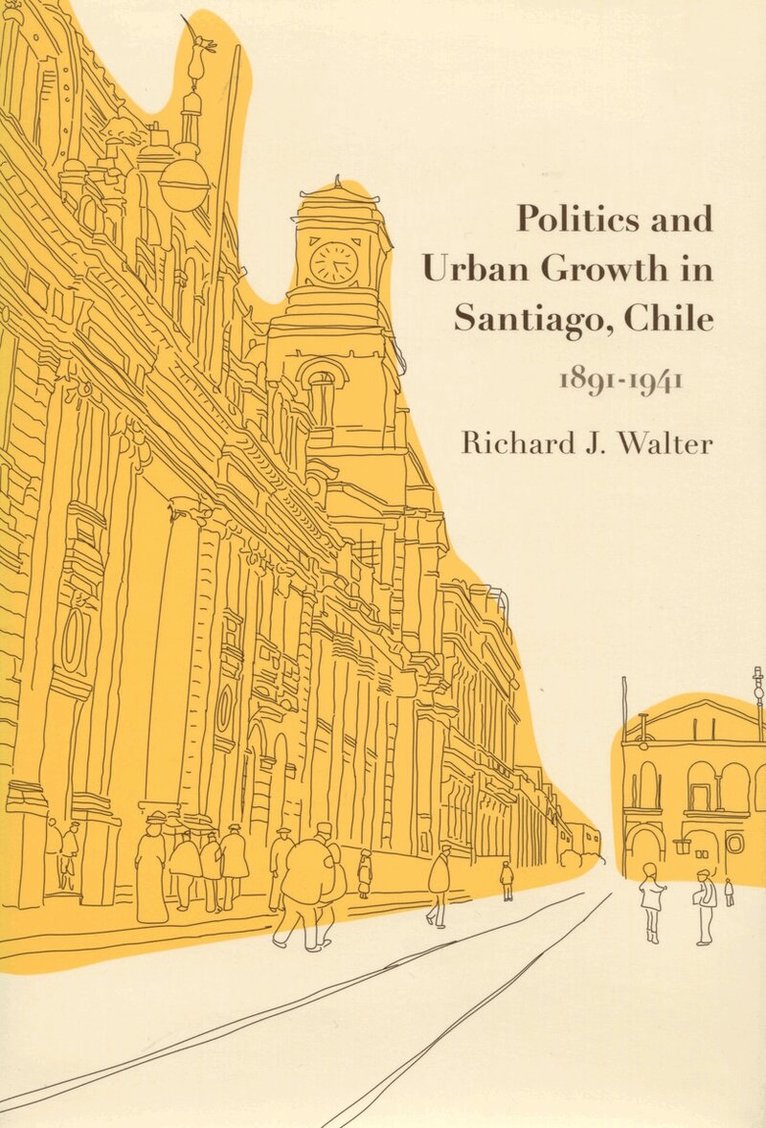




Mer från samma författare
Del 74
Politics and Urban Growth in Buenos Aires, 1910-1942
Richard J. Walter, Alan Knight
Inbunden, 1993
1 389 kr
Del 53
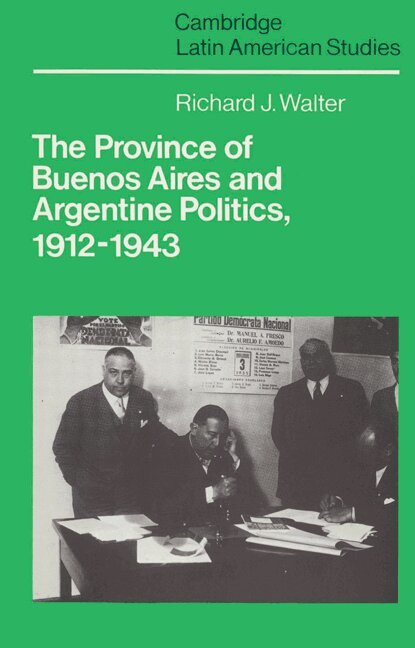
The Province of Buenos Aires and Argentine Politics, 1912-1943
Richard J. Walter, Alan Knight
Häftad, 2002
468 kr
Del 74
Politics and Urban Growth in Buenos Aires, 1910-1942
Richard J. Walter, Alan Knight
Häftad, 2003
482 kr
Hoppa över listan
Du kanske också är intresserad av

Del 74
Politics and Urban Growth in Buenos Aires, 1910-1942
Richard J. Walter, Alan Knight
Inbunden, 1993
1 389 kr
Del 53
The Province of Buenos Aires and Argentine Politics, 1912-1943
Richard J. Walter, Alan Knight
Häftad, 2002
468 kr
Del 74
Politics and Urban Growth in Buenos Aires, 1910-1942
Richard J. Walter, Alan Knight
Häftad, 2003
482 kr