• Fri frakt över 249 kr
  • •
  • Snabba leveranser
  • •
  • Billiga böcker
Kundservice

Du är på sajten för privatpersoner.

Företag, bibliotek eller offentlig verksamhet?

Du handlar på classic.bokus.com, där alla dina funktioner finns intakta.
Till classic.bokus.com
Bokus logotyp. Gå till startsidan.
  • Erbjudanden
  • Nyheter
  • Student
  • Topplistor
  • Barn & ungdom
  • Bokus Play
  • E-böcker
  • Pocketböcker
  • Spel & pussel

10% rabatt på allt med kod: NYSTART10 →

Sidfot

Mina sidor

    Hjälp

    • Kundservice
    • Vanliga frågor och svar
    • Frakt och leverans
    • Retur vid ångerrätt
    • Reklamera vara
    • Betalning
    • Köpvillkor
    • Allmänna villkor
    • Information om webbplatsens tillgänglighet

    Om Bokus

    • Om oss
    • Pressrum
    • För studenter
    • För företag
    • För bibliotek och offentlig verksamhet
    • För leverantörer
    • Hållbarhet

    Populärt

    • Aktuella erbjudanden
    • Presentkort
    • Studentlitteratur
    • Nya böcker
    • Topplistor
    • Signerade böcker
    • Engelska böcker

    Inspiration

    • Boktips
    • BookTok
    • Populära bokserier
    • Barnbokskaraktärer
    • Populära författare
    Logotyp för Bokus
    Följ oss på Facebook (extern länk)Följ oss på Instagram (extern länk)Följ oss på YouTube (extern länk)Följ oss på TikTok (extern länk)
    bokus @ CookiesAnpassa cookiesIntegritetspolicyKöpvillkor
    Till Citymail hemsida (extern länk)Till Budbee hemsida (extern länk)Till Postnord hemsida (extern länk)Till Schenker hemsida (extern länk)Till Early Bird hemsida (extern länk)Till Walleys hemsida (extern länk)
    1. Kultur
    2. Konstböcker
    3. Konsthistoria

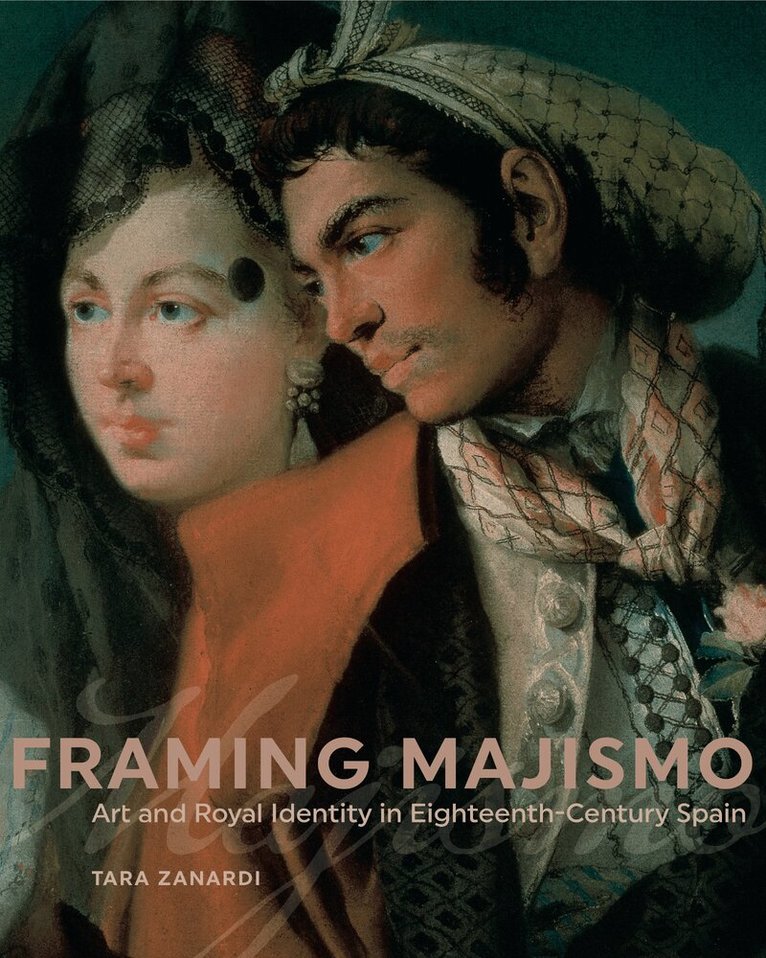
    Framing Majismo

    Art and Royal Identity in Eighteenth-Century Spain

    AvTara Zanardi

    Häftad, Engelska, 2019

    588 kr

    Beställningsvara. Skickas inom 5-8 vardagar. Fri frakt över 249 kr.

    Beskrivning

    Majismo, a cultural phenomenon that embodied the popular aesthetic in Spain from the second half of the eighteenth century, served as a vehicle to “regain” Spanish heritage. As expressed in visual representations of popular types participating in traditional customs and wearing garments viewed as historically Spanish, majismo conferred on Spanish “citizens” the pictorial ideal of a shared national character.In Framing Majismo, Tara Zanardi explores nobles’ fascination with and appropriation of the practices and types associated with majismo, as well as how this connection cultivated the formation of an elite Spanish identity in the late 1700s and aided the Bourbons’ objective to fashion themselves as the legitimate rulers of Spain. In particular, the book considers artistic and literary representations of the majo and the maja, purportedly native types who embodied and performed uniquely Spanish characteristics. Such visual examples of majismo emerge as critical and contentious sites for navigating eighteenth-century conceptions of gender, national character, and noble identity. Zanardi also examines how these bodies were contrasted with those regarded as “foreign,” finding that “foreign” and “national” bodies were frequently described and depicted in similar ways. She isolates and uncovers the nuances of bodily representation, ultimately showing how the body and the emergent nation were mutually constructed at a critical historical moment for both.

    Produktinformation

    • Utgivningsdatum:2019-02-21
    • Mått:203 x 254 x 254 mm
    • Vikt:1 089 g
    • Format:Häftad
    • Språk:Engelska
    • Antal sidor:264
    • Förlag:Pennsylvania State University Press
    • ISBN:9780271074825
    • Utmärkelser:Commended for Eleanor B. Tufts Book Prize 2016

    Utforska kategorier

    • Konsthistoria inom Kultur

    Mer om författaren

    Tara Zanardi is Assistant Professor of Art History at Hunter College.

    Recensioner i media

    “Zanardi convincingly shows that majismo’s ability to reflect the past as well as implicate the modern, and the way that it highlights the demonstrated importance of fashion and appearances in constructing national character, is of continued relevance today.”—Mey-Yen Moriuchi caa.reviews

    Innehållsförteckning

    • ContentsList of IllustrationsAcknowledgmentsIntroduction1Majismo, the Spanish National Character, and the Elite Cultivation of Cultural Patrimony2Swaggering Majos: Performing the Masculine Ideal3Performing the Bullfight: Spanish Bodies as Noble Spectacle4Majas, Elites, and Female Agency5Majismo and Elite IdentityConclusionNotesBibliographyIndex